
When foundation damage shows up in your basement, it can affect the comfort, safety, and long-term value of your home. Top Course Masonry Inc. provides dependable basement foundation repair in Rockville Centre to address cracking, shifting, bowing walls, and other structural concerns before they get worse. Our team evaluates the cause of the issue, explains what it means in plain language, and recommends repairs that fit the condition of your foundation. With careful workmanship and a straightforward process, we help homeowners restore stability and feel confident in their property again.
20+
1,000+
5
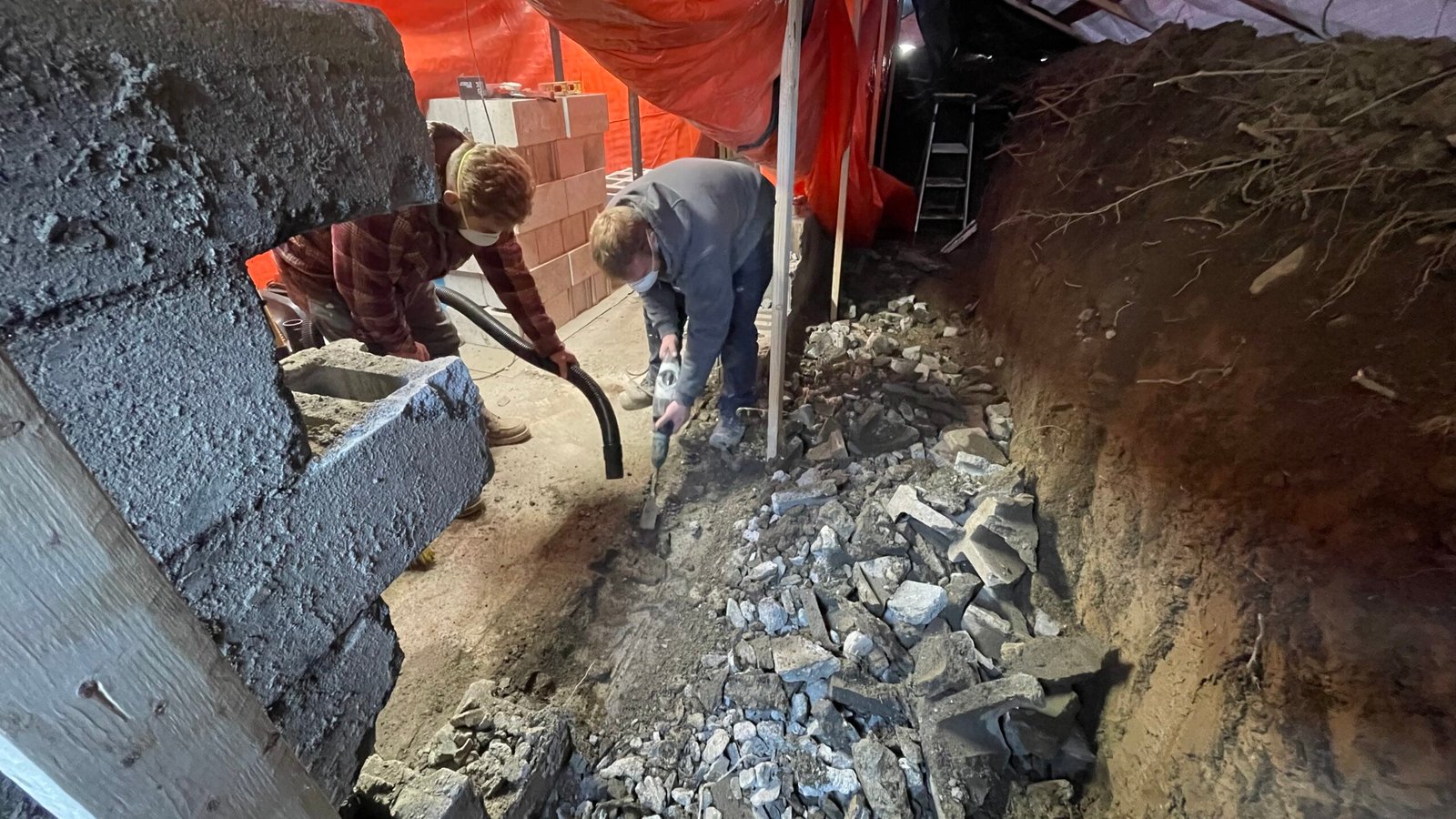
Basement foundation repair in Rockville Centre helps correct damage that can weaken foundation walls over time. Addressing issues early can reduce the risk of worsening movement and costly future repairs.
Cracks and gaps can allow moisture to enter and increase pressure on foundation materials. Repairing damaged areas helps strengthen vulnerable points and support better long-term performance.
Every basement foundation has different materials, conditions, and stress patterns. We inspect carefully and recommend the repair approach that makes the most sense for your property.
We explain what we find, what needs attention, and what the repair plan includes. You’ll always know what’s happening and why.
We evaluate basement foundation walls for cracking, shifting, bowing, and signs of moisture intrusion. We also look at surrounding conditions that may be contributing to the damage.
We explain what we found, what it likely means, and which repair approach best fits the condition of your foundation. You’ll get straightforward expectations on scope and timeline.
We complete the repair using proven methods and careful workmanship. After the work is finished, we review the results with you and answer any final questions.
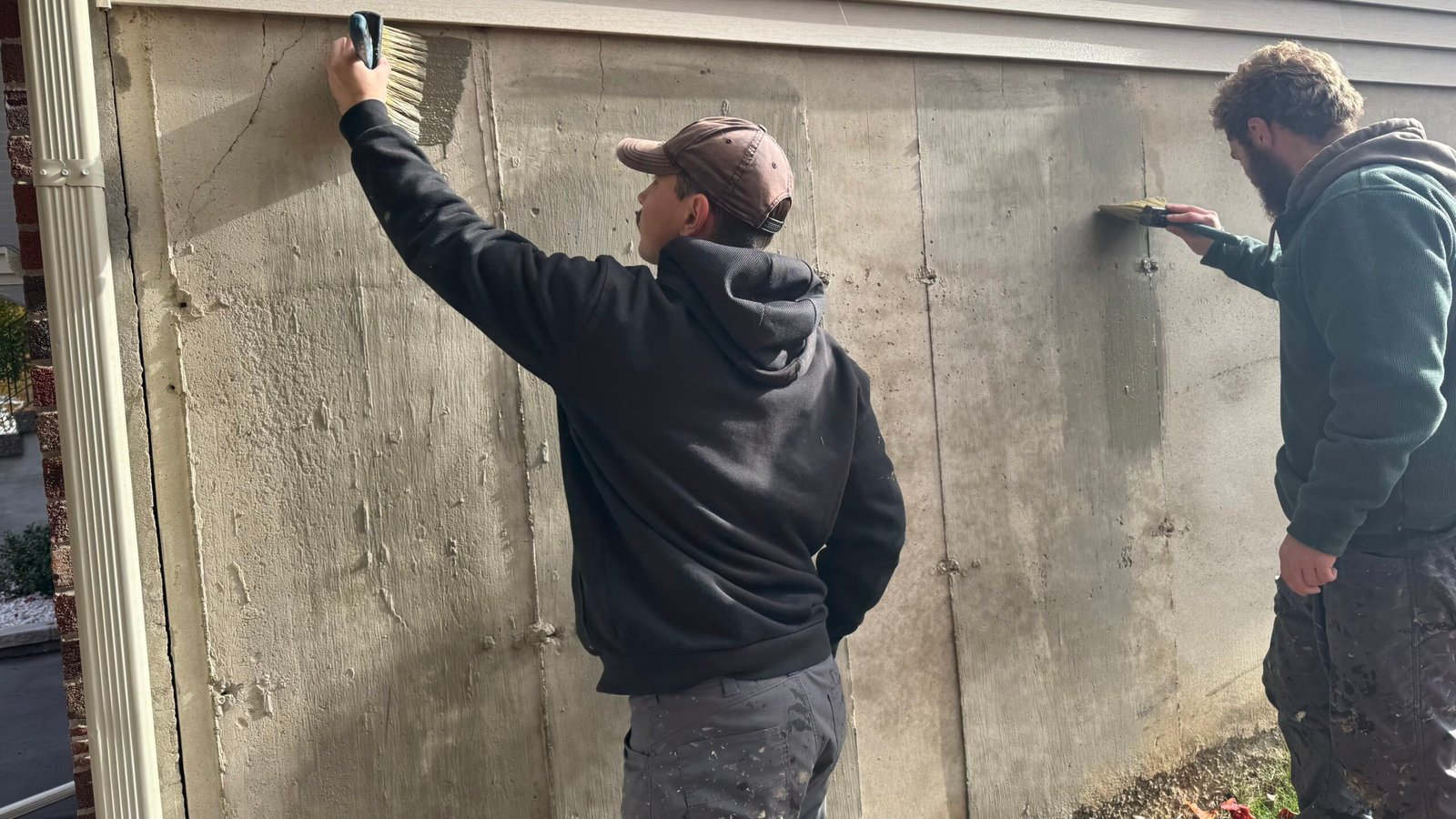
We know how seasonal moisture, soil conditions, and drainage patterns can impact basement foundations in Rockville Centre. That insight helps us diagnose issues more accurately.
We take the time to prep properly, repair correctly, and focus on lasting results rather than quick patches.
Foundation problems often connect to water management and exterior conditions. We consider contributing factors so the repair holds up over time.
Our team arrives prepared, keeps the work area as clean as possible, and communicates clearly throughout the project.
We provide annual check-ins after completed repairs to help homeowners monitor performance over time. These visits are useful for tracking previously repaired cracks, confirming stability, and spotting early warning signs before they turn into larger issues. Proactive monitoring is especially helpful if your home has a history of moisture exposure or prior foundation movement. With a local team that knows your project, you can feel more confident about the condition of your basement foundation year after year.
Common signs include horizontal or stair-step cracks, walls that look bowed, uneven floors above, or doors that suddenly stick. You may also notice water staining or damp areas where cracks allow moisture through. Even small changes can signal early movement that should be addressed.
Cracking and bowing can happen when soil pressure builds against the foundation wall, often worsened by poor drainage or heavy moisture. Freeze-thaw cycles and long-term settling can also stress masonry and concrete. Over time, repeated pressure can cause walls to shift or crack further. A proper evaluation helps identify the most likely cause.
Not every small crack is an emergency, but it should be assessed to determine whether it is stable or active. Some cracks are cosmetic, while others indicate movement, water pressure, or structural stress. Monitoring alone may be appropriate in certain cases, but ignoring it can lead to bigger repairs later. We’ll explain what the crack suggests and the best next step.
Yes, cracks and gaps can become pathways for moisture intrusion, especially during heavy rain or when groundwater rises. Water entry can worsen deterioration and increase pressure on foundation materials. Addressing structural damage and water pathways together often provides better long-term results. That’s why we look at both the wall condition and moisture signs during evaluation.
The right repair depends on the crack pattern, wall movement, and foundation material. Some situations require structural reinforcement, while others need targeted crack repair and stabilization. We focus on repairs that match the cause, not just the symptom. Your plan will be based on what the foundation is doing now and what it needs to stay stable.
Yes, if the damage extends beyond the basement walls or impacts other structural areas, we can help. Our foundation repair service supports a wider range of structural solutions based on the condition of the home. We’ll explain whether the issue is isolated to the basement or part of a larger foundation concern. The goal is a complete plan that protects the structure long-term.
Timelines vary depending on the severity of the damage, access to the area, and the repair method needed. Some repairs can be completed quickly, while others require additional steps for stabilization and reinforcement. We provide a clear schedule before work begins so you know what to expect. Our team works efficiently while maintaining quality.
Our quality basement foundation repair in Rockville Centre addresses the damaged area, but long-term success also depends on controlling contributing factors like water pressure and drainage. If moisture and soil pressure continue, new stress can appear in other areas over time. That’s why we often discuss prevention steps alongside repair work. The goal is stability now and better protection moving forward.
If you’re unsure what’s causing the damage or you want a clear baseline, an inspection is a smart first step. A foundation inspection helps identify movement patterns, moisture exposure, and contributing factors like drainage conditions. This makes it easier to choose the right repair approach and avoid unnecessary work. We’ll guide you on whether inspection first makes the most sense.