
20+
1,000+
5
Posted on Google
 Regina Teneyck
Trustindex verifies that the original source of the review is Google.
Paul at Top Course Masonry embodies the definition of professionalism and integrity. He was knowledgeable and informative, giving thoughtful recommendations which kept both our budget and family needs in mind! I highly suggest Top Course!Posted on Google Jessica ReinartzTop Course Masonry did a fantastic job with repairing my foundation at an AFFORDABLE price. They excavated all four walls of my house providing me pictures of the step-by-step process. They kept me fully informed of all the progress each day of the week and half long project and showed patience with all my questions and concerns. They fixed the deterioration in the foundation walls, provided a seal coating and an additional insurance layer of water repellent. They explained how to examine the whole ecosystem surrounding the home to divert water from entering. We addressed proper grading, landscaping, and water management. They also did a wonderful job installing 5 basement windows that were in need of significant masonry repair. I cannot say enough positive comments about the Top Course guys. I wish I could give 10 stars out of 5.. Outstanding people with a great work ethic, moral compass, and they also provided me with a good recommendation for a company to rebuild my stairs. 100% would recommend them to all my friends and neighbors!!Posted on Google
 Tom CitrinitiPaul was very knowledgeable about the work being done and answered all our questions, they were thorough, professional and did an excellent job. We highly recommend them.Posted on Google
 Deanna WeissWe had a large foundation repair project and are so glad we went with Top Course Masonry. The work was done quickly, professionally, and to a high standard. Paul was great to work with—communicative, reliable, and clearly experienced. Everything went smoothly from start to finish. Highly recommend!Posted on Google
 SpanPaul and his crew were fantastic. We had a crack in our foundation that caused water infiltration issues to our finished basement. Paul and his team were able to fix it via injection. They were all very professional, and did exactly what they said they would do. Very pleased overall. Thanks!Posted on Google
 Shannon SitlerWe had an amazing experience with Paul and Top Course Masonry. We have an addition on our home with a block foundation and there was some shifting of blocks due to drainage/freeze and thaw cycles over many years. The shifting was pretty small and there was no evidence of structural issues yet, but we wanted to address it before it progressed. We had several contractors come and insist our only option was complete foundation wall replacement and give us quotes that were incredibly expensive. Paul came in with a more open mind and asked more questions, looked for closely at what the actual issue was and was able to confirm that the complete rebuild was not necessary yet and gave us some middle of the road options to consider. Paul was prompt and detail oriented and easy to schedule the work with. When it came to doing the work Paul's crew was also great. They made the foundation repairs, took care of the property and worked with a sub contractor to bring in landscaping components as needed. It was a pleasure work with Top Course Masonry and I'd recommend them for foundation repairs to anyone!Posted on Google
 Elise R100%+ satisfied! Top Course was one of four estimates I received for a cinder block foundation repair. In my first meeting with Paul, I immediately had a sense of confidence that he has the requisite experience and knowledge, and was qualified to handle any surprise that might pop up. I like the fact that he specializes in foundations and basements, so he's seen it all. He was great with communicating regarding the scheduling, and he and his sons did an excellent job. No regrets and I highly recommend!Posted on Google
 Bob FoleyPaul and his crew at Top Course are skilled tradesmen who go about their work in a profession and friendly manner and did an excellent job waterproofing my foundation. Paul came in, analyzed the situation, proposed a remedy, provided a fair and timely quote and worked with me to address some issues that needed to be resolved before the work could start. The work was then begun and finished on schedule and Paul communicated with me at every step of the process. Now that the work is done I know I made the right choice in working with Top Course Masonry.Posted on Google
 Darlene DiamondThey did a great job at my mom's fixing issues with a cracking cellar wall and repairing where needed.Posted on Google
 Adam F.Paul and his sons are great to work with! Recently had a leaky foundation issue. They skillfully repaired the problem saving me thousands in future damage. Very responsive and always punctual.
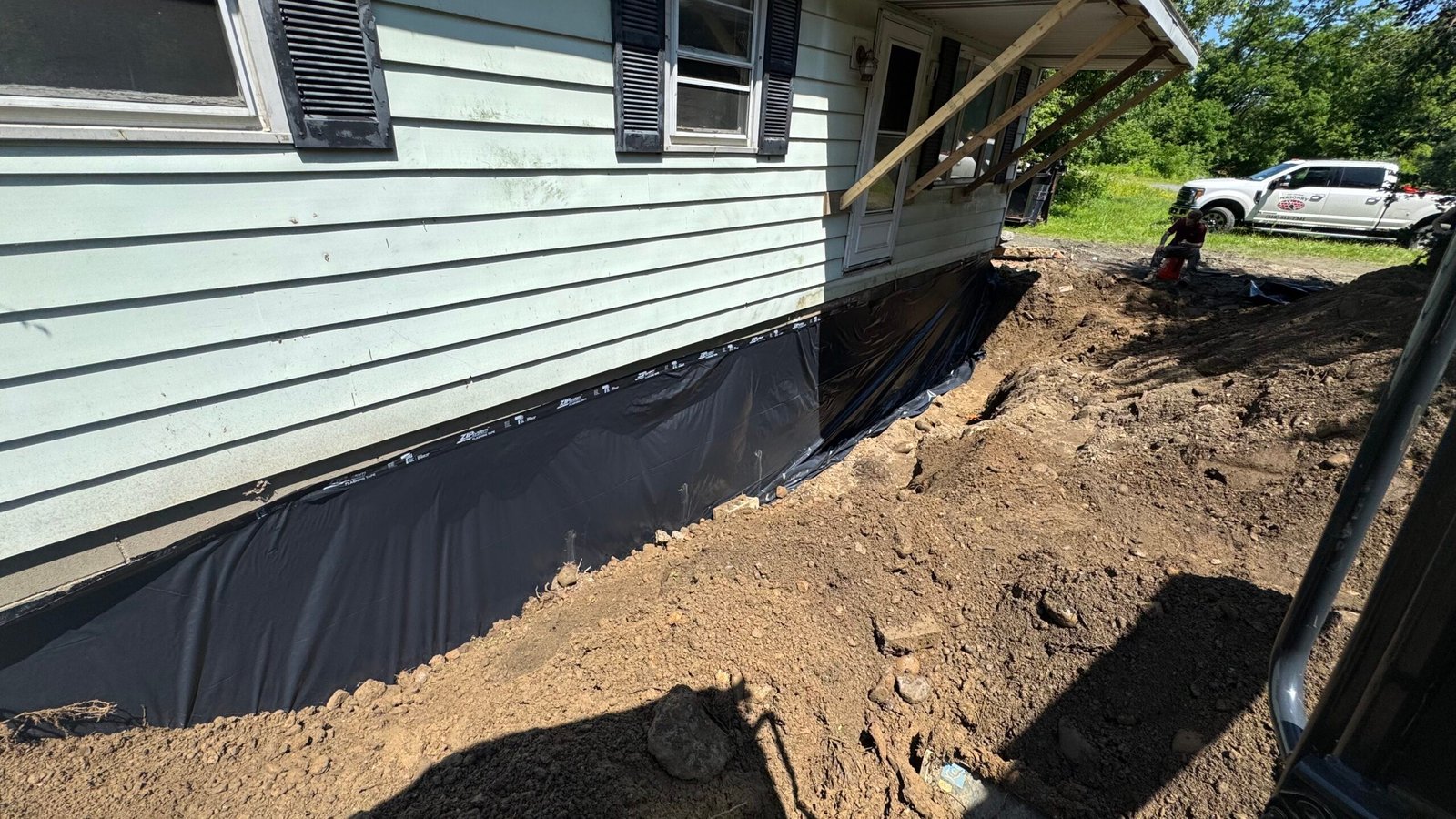
Water can come in through cracks, joints, window wells, or the cove where the wall meets the floor. Our basement waterproofing in Sand Lake/West Sand Lake starts with identifying the entry path so the solution actually matches the problem.
Even minor dampness can lead to staining, deterioration, and damage to anything kept in the basement. Waterproofing helps protect masonry, framing, and belongings from repeated moisture exposure.
When moisture is controlled, basements typically feel less humid and smell fresher. We focus on practical improvements that support a healthier, lower-level, and better overall home comfort.
You’ll know what we’re doing, why we’re doing it, and what results to expect. We keep communication simple so you can make confident decisions without being overwhelmed.
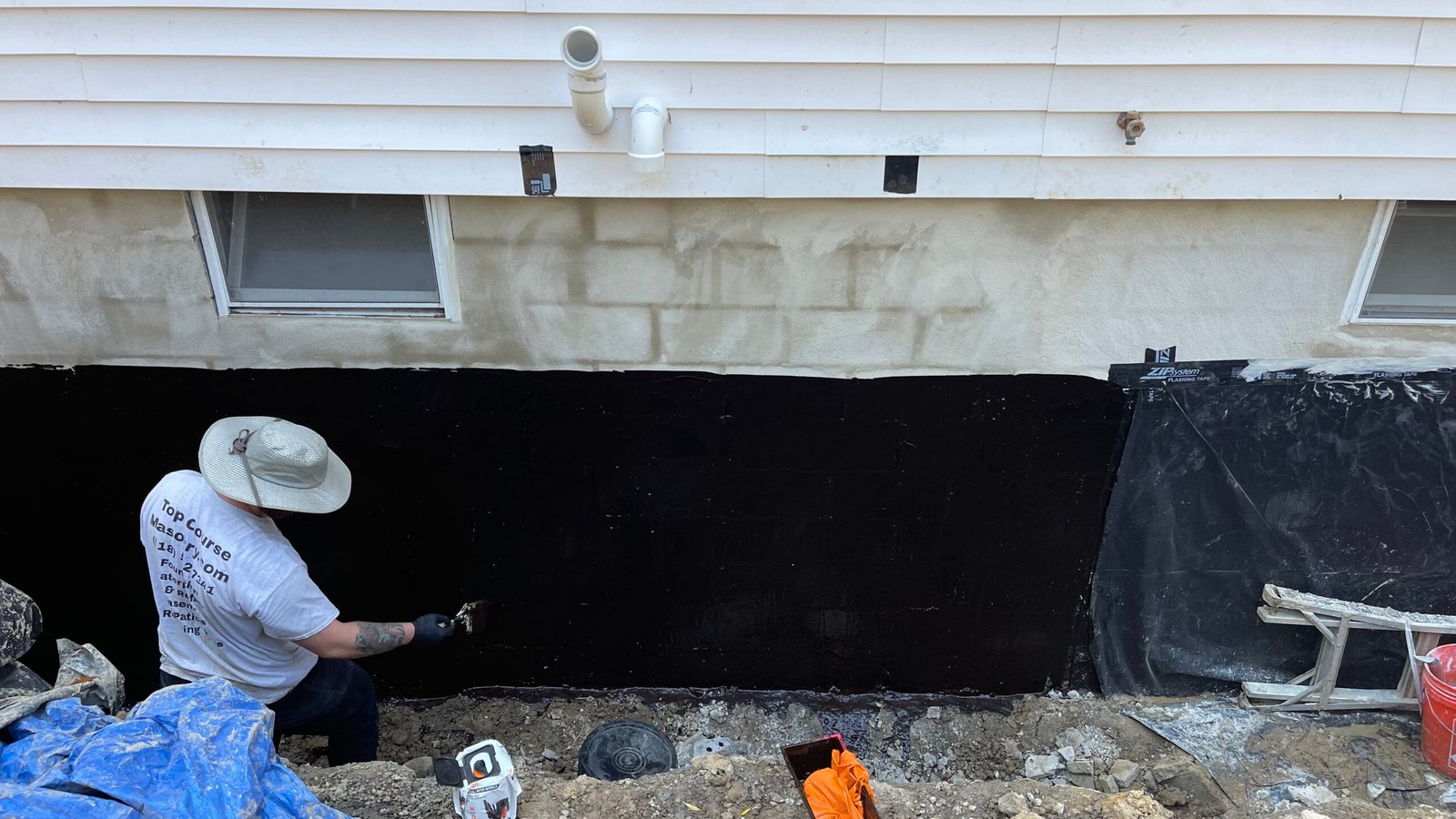
Snowmelt, heavy rain cycles, and shifting ground conditions can all contribute to basement seepage. That experience helps us deliver more effective basement waterproofing in Sand Lake/West Sand Lake.
Painting over a damp wall or running a dehumidifier nonstop doesn’t fix the source. We use proven materials and methods designed to hold up and keep performing.
Some basements need foundation repair and sealing, others need drainage improvements, and some require a combination. We evaluate the full situation before recommending the best path forward.
We protect the work area, keep the project organized, and work with care around utilities, storage, and finished sections. The goal is strong results without unnecessary disruption.
Top Course Masonry Inc. offers post-project yearly monitoring options for homeowners who want added confidence after waterproofing is completed. These check-ins help confirm that repaired areas remain sealed, moisture patterns haven’t shifted, and any drainage components continue working properly. It’s also a chance to catch small changes like new hairline cracking or minor seepage before they turn into a bigger issue. With continued support available, you can protect your investment and keep your basement in better condition through changing seasons.
We inspect the basement for damp zones, staining, cracks, and humidity indicators. This helps us determine how water is entering and what conditions are contributing to it.
We create a plan based on the basement’s layout, the severity of the moisture issue, and the most reliable solution type. You’ll get a clear explanation of work, materials, and performance.
We complete the installation using dependable methods and careful application. Then we review the completed areas with you, answer questions, and explain what to monitor.
Early signs include damp corners, white chalky residue on masonry, peeling paint, or a persistent musty smell. You might also see rust on metal items or feel higher humidity downstairs than upstairs. These issues often show up before visible puddles appear. A quick inspection can confirm whether water intrusion is starting.
Yes, storm-only seepage usually means water pressure is building around the foundation and finding a weak point. Even occasional water can stain surfaces, damage stored items, and create mold-friendly conditions. Addressing it early is often less invasive than waiting for repeated flooding. Waterproofing helps reduce the chance of the problem escalating.
We look for moisture patterns, staining, crack locations, and the areas where water typically collects first. We also consider exterior grading, downspout discharge, and how the basement is constructed. This helps us separate condensation issues from true water entry. The goal is a solution that matches the actual source, not a guess.
Options may include crack sealing, waterproof coatings, joint treatment, drainage improvements, and sump pump support. The best choice depends on the foundation material, the severity of seepage, and how water is entering. Some basements need one focused repair, while others need a layered approach. We recommend what will perform best for your specific space.
Project length depends on the basement size and the type of work being performed. Smaller sealing or crack repair jobs may be completed quickly, while drainage or sump-related solutions can take longer. We provide a clear timeline before starting so you can plan around it. Our team works efficiently while keeping quality consistent.
In many cases, yes, odors often come from ongoing dampness and high humidity. When water entry is reduced, and surfaces can stay dry, the basement typically smells cleaner and feels more comfortable. Waterproofing also helps limit conditions that allow mildew to develop. The key is controlling moisture at the source.
Yes, some basements feel wet due to humid air condensing on cool surfaces, especially in summer. Condensation often shows up as sweating pipes, damp walls without staining, or moisture on windows. We help determine whether the problem is air humidity, water intrusion, or both.
Start by contacting us to set up an inspection and discuss what you’ve been noticing. We’ll evaluate the basement, explain the likely causes, and outline the best solution options. Then we provide a clear plan and next steps so you can move forward confidently. From there, we schedule the work and keep the process organized.