Some amount of settling can happen as a home and the soil beneath it adjust over time. The bigger concern is uneven or ongoing settlement, which can create cracks, sloping floors, sticking doors, and other changes throughout the home.
The causes of foundation settlement are not always obvious from inside the house. Soil conditions, moisture, drainage, erosion, construction, and changes around the property can all affect how well the ground supports a foundation.
What Is Foundation Settlement?
Foundation settlement happens when the soil supporting a home compresses, shifts, or changes enough for the foundation to move downward. Some settling is normal, particularly as new construction adjusts to the weight of the structure. Settlement becomes more concerning when different parts of the foundation move at different rates.
This uneven movement is often called differential settlement. One section of the home may sink farther than another, stressing the foundation and the structure above it. That can lead to cracks, uneven floors, gaps, and problems with doors or windows.
Soil conditions play a major role. Loose fill, unstable soil, changing moisture levels, erosion, and poor preparation beneath the foundation can all affect how much support the ground provides over time.
What Causes Foundation Settlement?
Foundation settlement rarely has one universal cause. The soil beneath a home can change for several reasons, and water is often part of the problem.
Soil can lose its ability to support the foundation when it becomes compacted, washed away, overly wet, or too dry. Drainage problems, erosion, landscaping changes, and other conditions around the property can also affect how the soil supports the home. Identifying the cause of the settlement helps determine what needs to be addressed and whether the foundation itself requires repair.
Poor or Unstable Soil
The soil beneath a foundation needs to provide consistent support for the weight of the home. Some soils are more stable than others, while loose or poorly supporting soil can compress under that weight and allow the foundation to settle.
Soil composition also matters. Clay-heavy soils can expand and contract as moisture levels change, while loose fill may compress if it was not properly prepared before construction.
If the soil beneath one part of a home behaves differently from the soil beneath another part, the foundation may settle unevenly. This can create movement that shows up as cracks or changes inside the house.
Soil Compaction
Soil compaction affects how well the ground can support a foundation. Soil that was not properly compacted during construction can compress after the home is built, leaving parts of the foundation with less support.
This is especially relevant when a home was built over fill soil or on ground disturbed before construction. Properly compacted fill provides more consistent support than loose material that keeps compressing.
Settlement from poorly compacted soil may not be obvious at first. As the soil continues to compress, cracks or other changes can gradually appear in the foundation or throughout the home.
Changes in Soil Moisture
Soil moisture does not remain the same throughout the year. Heavy rain can saturate the ground, while prolonged dry weather can cause some soils to shrink. Repeated moisture changes can affect how soil supports a foundation.
Clay-rich soil is particularly affected by moisture changes because it can expand when wet and contract as it dries. When different areas of soil respond differently, parts of the foundation can move at different rates.
Changes in drainage, weather, or water flow around the property can all contribute to these conditions. Looking at the foundation alone may not reveal why the movement is happening.
Poor Drainage Around the Foundation
Water that collects around a foundation can change the surrounding soil and increase the amount of moisture reaching the foundation. Poor grading, clogged gutters, short downspouts, and areas where water pools can all contribute.
When water repeatedly saturates the soil, it can affect the soil’s ability to support the structure. Depending on the soil type and site conditions, excess water can also contribute to erosion or movement.
Keeping runoff away from the foundation can reduce some of these problems. That may involve maintaining gutters and downspouts, correcting grading, or addressing a larger drainage problem.
Erosion and Soil Washout
Water moving through or beneath the soil can carry soil particles away. Over time, this erosion can leave areas beneath or around the foundation with less support.
Soil washout can occur when water repeatedly follows the same path, especially when drainage is poor, or water concentrates near the foundation. The resulting loss of support can cause sections of the foundation to settle.
Signs can include new cracks, sinking areas, or changes that appear after significant water problems. Finding where the water is coming from is key to determining whether erosion is contributing to settlement.
Tree Roots and Landscaping Changes
Trees and large plants can affect soil conditions around a foundation. Roots draw moisture from the soil, and large root systems can change soil moisture or put pressure on nearby structures.
Landscaping changes can also alter how water moves across the property. Adding soil, changing the grade, installing hardscaping, or removing vegetation can redirect water toward areas that previously stayed dry.
That does not mean every tree near a foundation will cause settlement. The tree type and size, distance from the home, soil conditions, and moisture changes all matter when evaluating the situation.
What Are the Signs of Foundation Settlement?
Foundation settlement does not always announce itself with one obvious crack. Movement can affect different parts of the home, so homeowners may notice several smaller changes instead.
The pattern matters. A single stable crack may have a different explanation from growing cracks combined with uneven floors and doors that no longer close properly.
Cracks in Foundation Walls
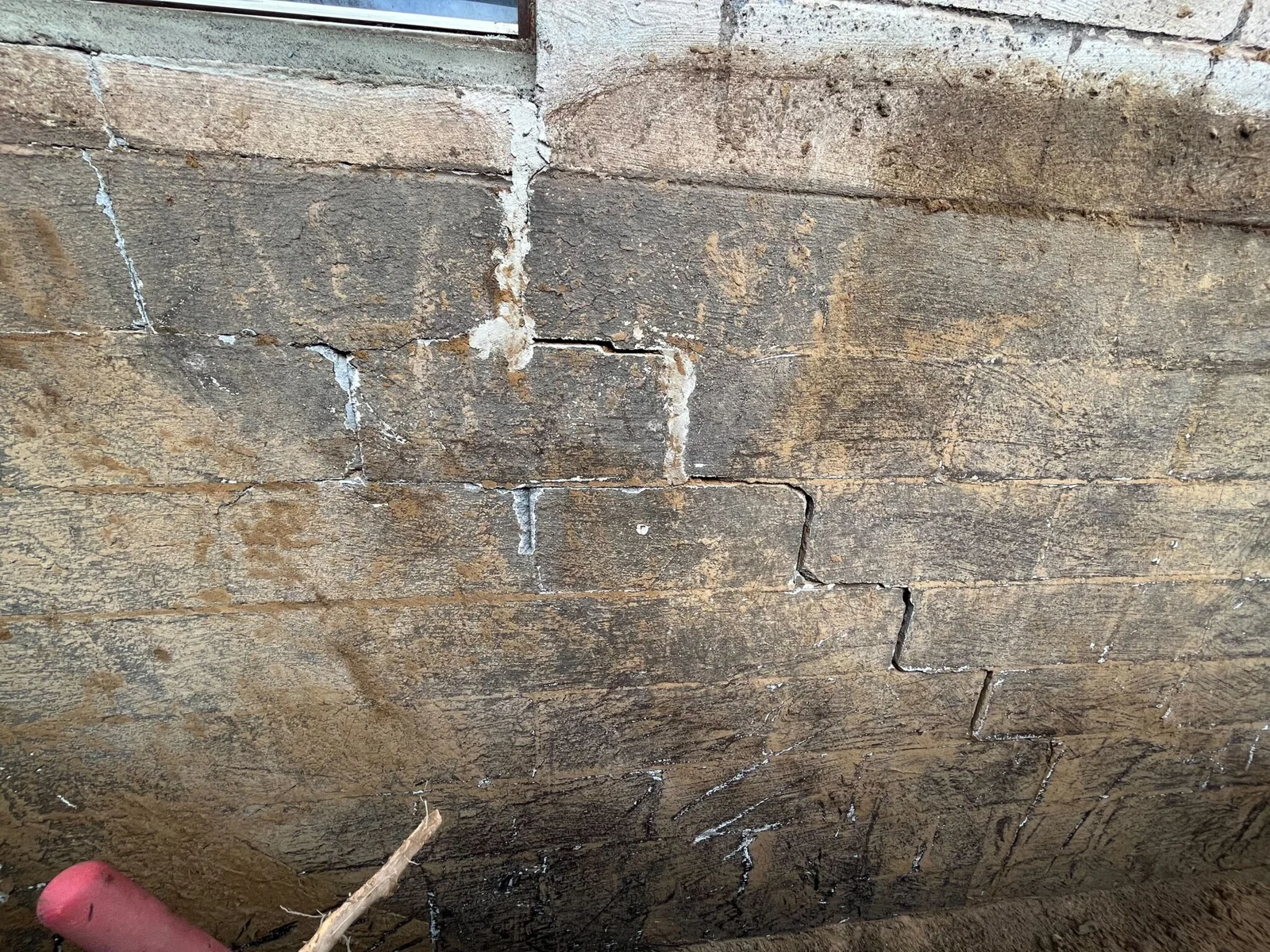
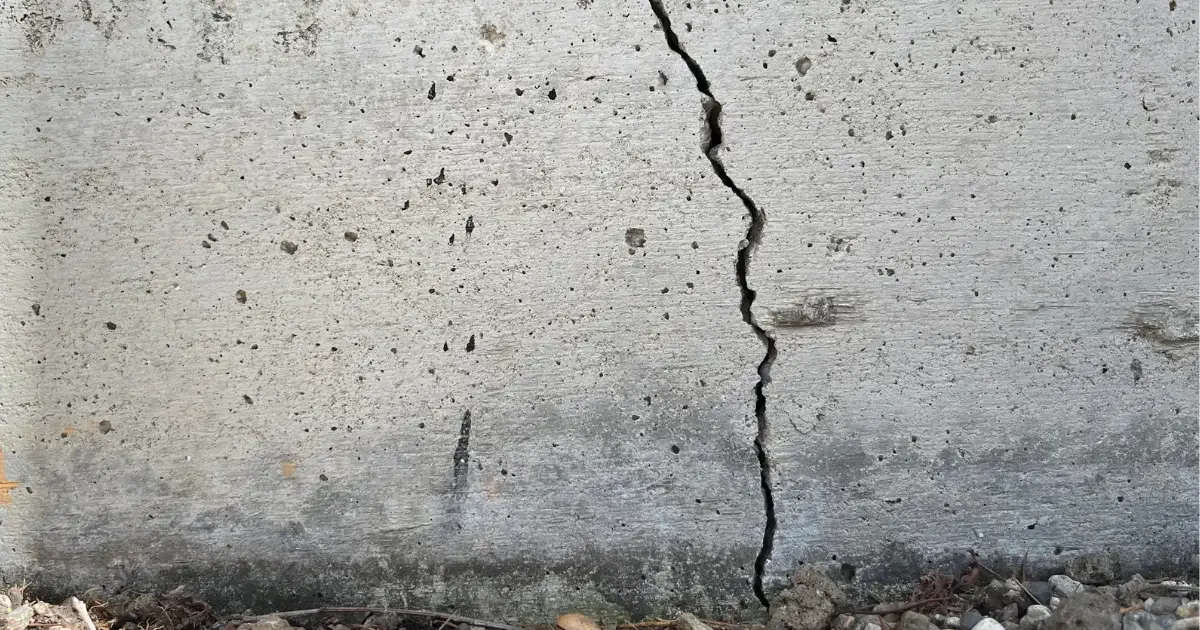
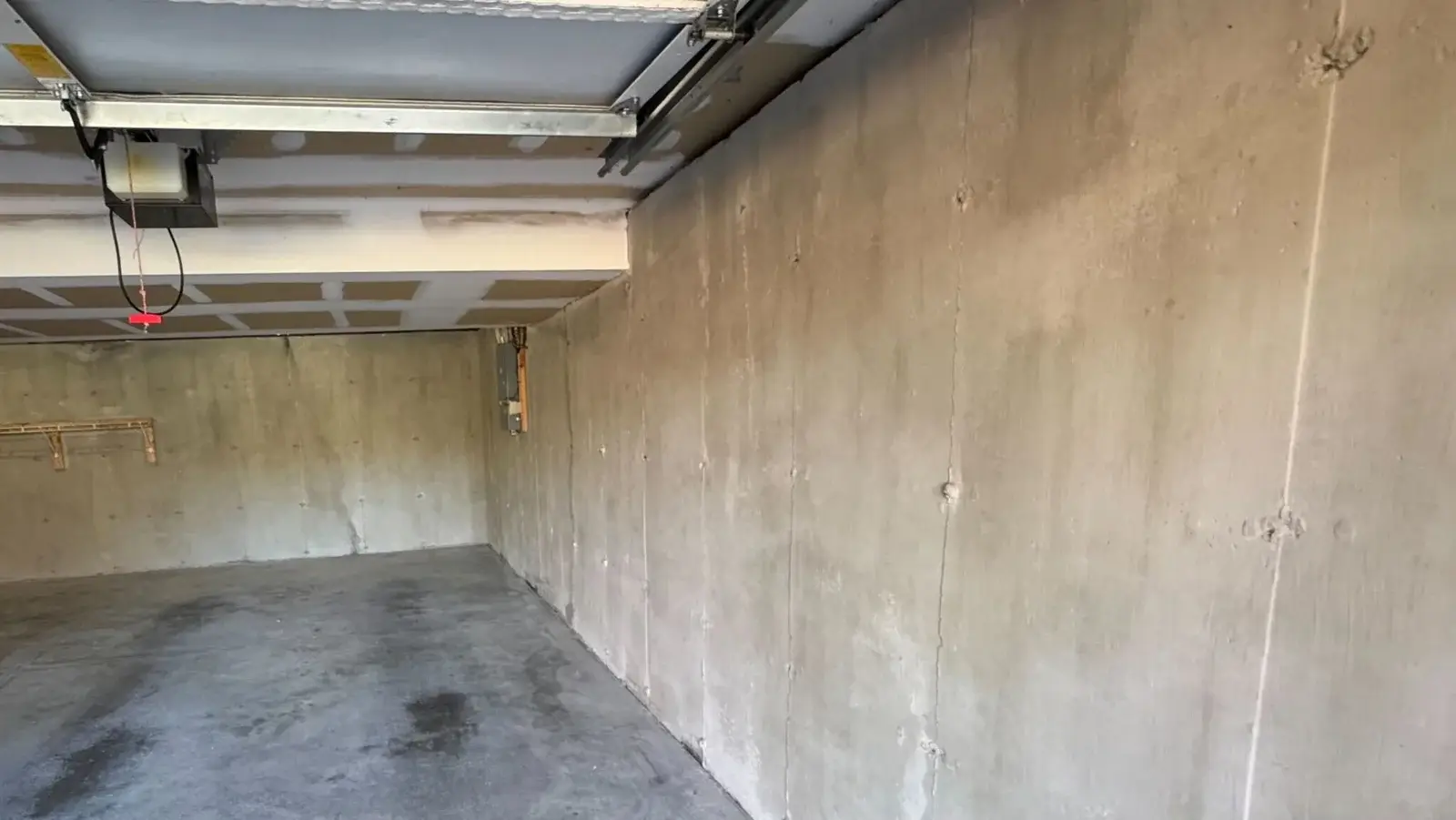
Foundation wall cracks can develop for several reasons, including concrete shrinkage, soil movement, water pressure, and settlement. Their location and pattern can clue you into what is happening.
Cracks associated with settlement may appear alongside other changes, such as cracks in interior walls or floors. A crack that is widening or accompanied by visible movement deserves more attention than one that has remained stable.
Tracking changes over time can help. Photos, measurements, and notes about when the crack appeared can give a foundation professional useful information during an evaluation.
Cracks Around Doors and Windows
Cracks around doors and windows can appear when different parts of a home move at different rates. Diagonal cracks extending from the corners of openings can sometimes be associated with this type of movement.
These cracks can also have other causes, so their presence alone does not prove foundation settlement. Looking for additional signs, such as doors that stick or gaps around frames, can provide more context.
If cracks around several openings appear or change at the same time, evaluate the foundation and structure together rather than treating each crack as a separate issue.
Uneven or Sloping Floors
A floor that feels noticeably uneven or develops a new slope may indicate that different sections of the foundation are settling at different rates. Changes in the supporting structure below the floor can affect how level the floor remains.
Not every uneven floor is caused by foundation settlement. Older homes can have naturally uneven floors, and framing or floor construction can create changes unrelated to the foundation.
New or worsening slopes are more useful clues. If the floor is changing along with cracks, sticking doors, or other movement, it’s worth inspecting the foundation.
Doors and Windows That Stick
Doors and windows can become difficult to open or close when a home shifts and the frames move out of square. This can happen with foundation settlement, although humidity, swelling materials, and normal building movement can cause similar problems.
A single sticking door does not necessarily point to a foundation issue. Several doors or windows becoming difficult to operate, especially with new cracks or uneven floors, gives more reason to investigate.
Pay attention to changes rather than isolated problems. A door that has always stuck is different from one that suddenly stops closing properly.
Gaps Around Walls, Ceilings, or Trim
Movement in a home can create gaps between walls, ceilings, floors, or trim. These gaps may develop as different parts of the structure shift relative to one another.
Small gaps can occur for ordinary reasons, including normal material movement. New or expanding gaps are more useful signs when they appear with foundation cracks or other changes.
Documenting where the gaps are and whether they are getting larger can help determine whether the movement is ongoing.
How Serious Are Foundation Settling Problems?
Foundation settlement is not automatically a major structural problem. Some settling can remain stable, while ongoing differential settlement can place increasing stress on the foundation and the structure above it.
Severity depends on how much movement has occurred, whether it is continuing, what caused it, and whether other parts of the home are affected.
Stable vs. Ongoing Settlement
A foundation that settled and then remained stable is different from one that continues to move. Stable movement may leave visible cracks or uneven areas without causing new damage.
Ongoing settlement can widen cracks, make floors more uneven, and affect how doors and windows operate. New symptoms that appear over time are a reason to have the foundation evaluated.
Monitoring can help identify changes. Taking photos of cracks, noting changes in floor levels, and watching doors and windows can make it easier to tell whether the situation is progressing.
Multiple Signs of Movement
One symptom does not always tell the whole story. A foundation crack combined with sloping floors, sticking doors, and gaps around walls provides more information than any one issue alone.
Multiple signs can indicate that movement is affecting different parts of the home. This is especially true when the changes appear around the same time or continue to develop.
A foundation evaluation can help determine whether these symptoms are connected and whether the movement is active.
Water and Settlement Problems
Water can contribute to settlement by changing soil moisture, weakening drainage conditions, or washing soil away from areas that support the foundation. Poor drainage can also increase pressure against foundation walls and create additional problems.
This makes water management an important part of investigating foundation movement. Looking only at cracks may miss a drainage problem contributing to settlement.
If water repeatedly collects around the foundation, address the drainage conditions along with any foundation damage.
Can Foundation Settlement Be Fixed?
Foundation settlement can often be addressed, but the right repair depends on why the foundation moved and how extensive the movement is. No single repair applies to every settling foundation.
A repair that only covers a visible crack may not be enough if the soil is still shifting or water continues to affect the foundation. Identifying the cause first helps determine what work is actually necessary.
Correcting Drainage Problems
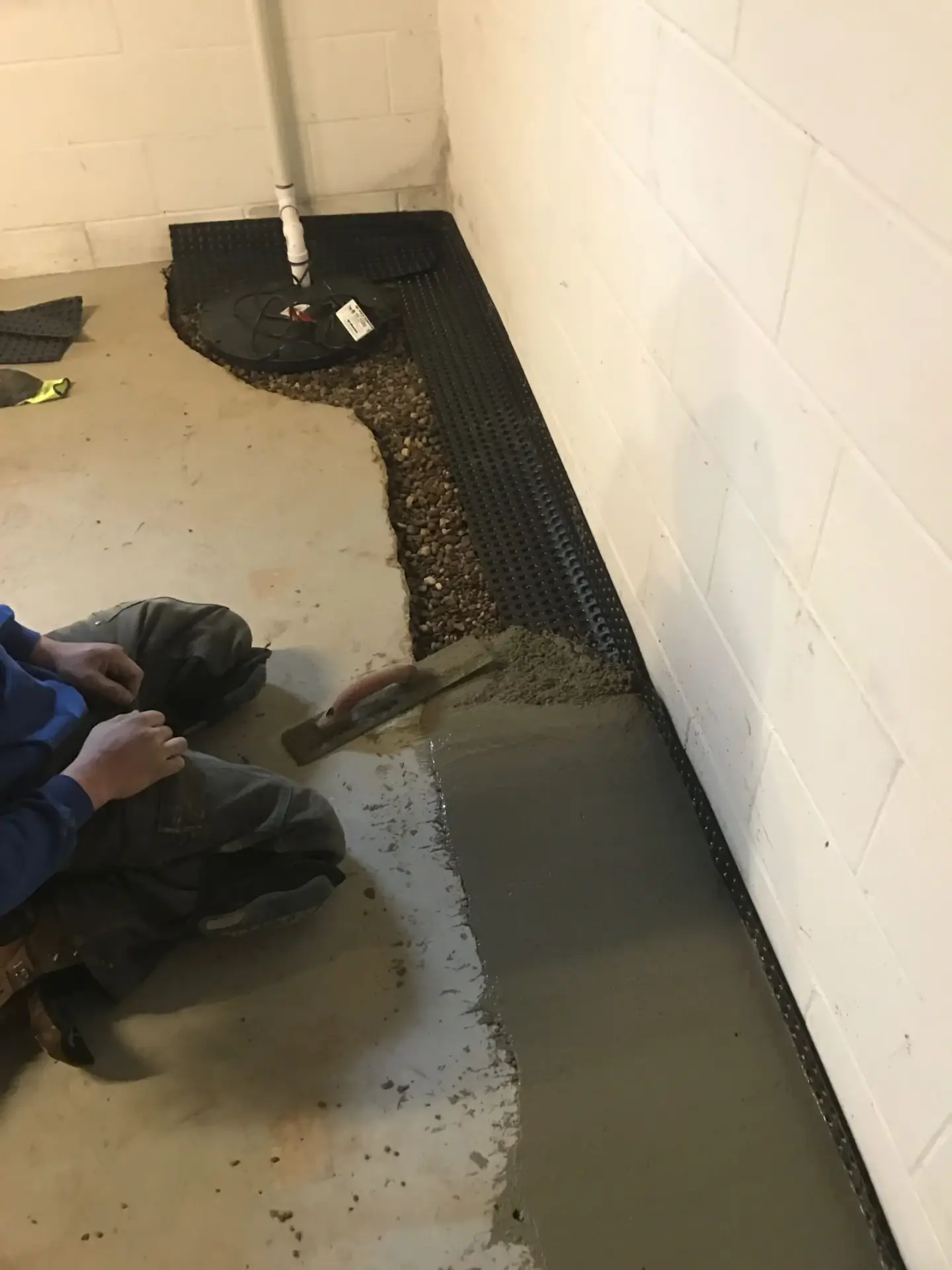
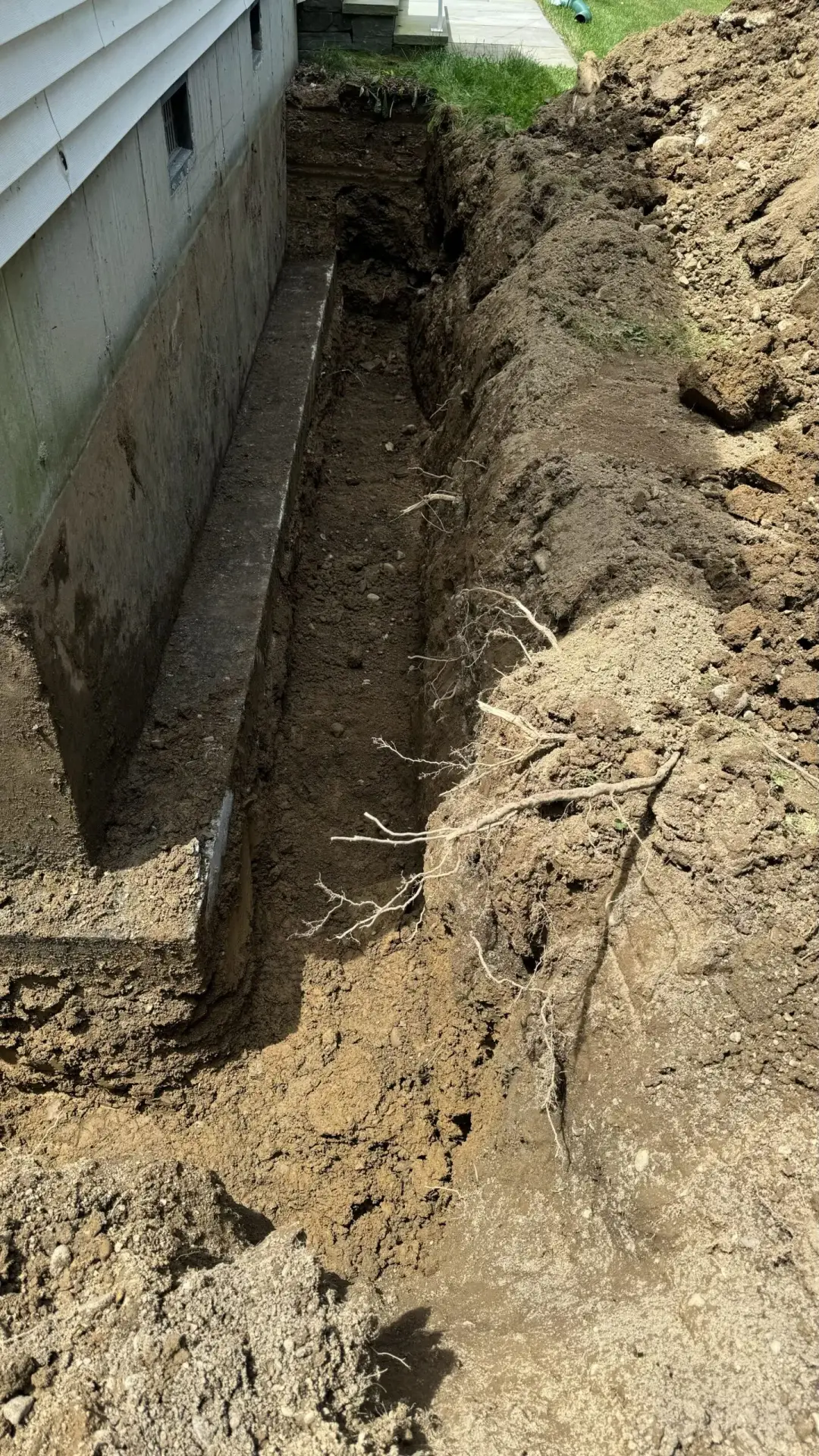
When water contributes to soil movement, improving drainage can help. This may involve correcting grading, maintaining gutters and downspouts, or installing a drainage system where needed.
The right drainage solution depends on how water moves around the property. Directing water away from one area may not solve the problem if it collects elsewhere near the foundation.
Addressing drainage can also help reduce the moisture changes that contribute to soil movement. Consider it alongside the condition of the foundation, not as a replacement for structural repair when movement has already caused damage.
Foundation Crack Repair
Repair foundation cracks when they let water in, keep changing, or are part of a larger foundation problem. The right repair depends on the crack type and its cause.
Sealing an isolated crack may address water intrusion, but it does not correct settlement beneath the foundation. If the crack is connected to ongoing movement, you may need to stabilize or repair the foundation itself.
An inspection can help determine whether the crack is an isolated issue or a symptom of a larger settlement problem.
Structural Foundation Repair
More extensive settlement may require structural repair when part of the foundation has moved significantly or continues to settle. The repair method depends on the condition of the foundation, supporting soil, and extent of the movement.
In some situations, structural stabilization or underpinning may be considered. These repairs address movement and support the affected section of the foundation rather than simply repairing visible cracks.
A professional evaluation is needed before deciding whether structural repair is necessary. The visible symptoms alone do not determine the appropriate repair.
Can You Prevent Foundation Settlement?
You cannot control every condition that affects the soil beneath a home, but you can reduce some of the factors that contribute to foundation movement. Water management is one of the most practical areas homeowners can maintain.
Keeping gutters and downspouts clear, directing runoff away from the foundation, and maintaining proper grading can help prevent water from repeatedly collecting around the home.
It also helps to watch for changes around the foundation. New cracks, pooling water, uneven areas, or changes in doors and windows can signal that conditions around the home have changed.
When Should You Have a Settling Foundation Inspected?
A foundation inspection makes sense when you notice changes that could indicate ongoing movement. You do not have to wait until a crack becomes large or a floor becomes severely uneven.
New or growing foundation cracks are worth paying attention to, especially when several cracks appear in different areas of the home. The same applies when floors become noticeably uneven, doors or windows suddenly start sticking, or gaps develop around walls, ceilings, or trim.
Water collecting near the foundation is another reason to have the situation evaluated. If you notice visible movement or deterioration in the foundation walls, an inspection can help determine whether settlement is involved and whether the movement is continuing.
These signs do not automatically mean the foundation is settling. An inspection can help determine whether the symptoms are connected to settlement, drainage, soil conditions, or another problem.
How Is Foundation Settlement Diagnosed?
Diagnosing foundation settlement requires looking beyond the visible damage. A foundation professional can examine the foundation, the surrounding property, and changes inside the home to determine what may be causing the movement.
Inspecting the Foundation
A foundation professional can check for cracks, displacement, bowing, deterioration, and other visible changes. The location and pattern of the damage can help identify areas that may be experiencing movement.
The inspection can also distinguish between different types of cracking. A vertical crack in a poured concrete wall, for example, may have a different cause from stair-step cracking in a masonry foundation.
Looking at Drainage and Soil Conditions
Water and soil conditions can provide important information about why a foundation may be settling. The inspection should consider grading, gutters, downspouts, pooling water, erosion, and other conditions around the foundation.
The soil itself may also be contributing to the problem. Loose fill, changing moisture levels, erosion, and unstable soil can all affect how consistently the foundation is supported.
Checking for Related Changes Inside the Home
Signs inside the home can help show whether movement is affecting the structure. Floors, doors, windows, walls, ceilings, and trim can all show changes when different sections of a foundation settle at different rates.
Looking at these symptoms together provides more information than focusing on a single crack. The combination of exterior conditions and interior changes can help determine whether settlement is stable or ongoing.
Get Help With Foundation Settlement Problems
Foundation settlement can have several causes, and the visible damage does not always reveal which one is responsible. Soil conditions, moisture, drainage, erosion, and changes around the property can all affect how a foundation is supported.
Top Course Masonry can evaluate foundation problems and the conditions around your home to help identify what may be contributing to the movement. If you have noticed cracks, uneven floors, sticking doors, or other changes around your home, contact Top Course Masonry to schedule a foundation inspection.