A wet basement can have multiple sources, so choosing between a sump pump and French drain isn’t always straightforward. A French drain collects and redirects water, while a sump pump removes water that has collected in a sump basin.
The right sump pump or French drain solution depends on where the water comes from, how it enters the basement, and where it can be safely discharged. In some homes, one system may be enough. In others, a French drain and sump pump work together as part of a larger basement drainage system.
Sump Pump vs. French Drain: What’s the Difference?
A French drain and a sump pump handle different parts of the water removal process. A French drain collects water from the soil or around the foundation, while a sump pump moves collected water away from the home.
A sump pump and French drain solve different basement drainage problems. The better option depends on where the water is coming from, how it reaches your foundation, and what drainage options are available around your home.
Feature | French Drain | Sump Pump |
Primary function | Collects and redirects water | Pumps collected water away |
Where it collects water | Soil, foundation perimeter, or basement floor edges | Sump basin |
How it moves water | Uses gravity or a connected drainage system | Uses a pump and discharge pipe |
Best suited for | Groundwater and water moving toward the foundation | Water that collects in a sump basin |
Can work with the other system? | Yes | Yes |
Requires electricity? | Not always | Yes |
How a French Drain Works
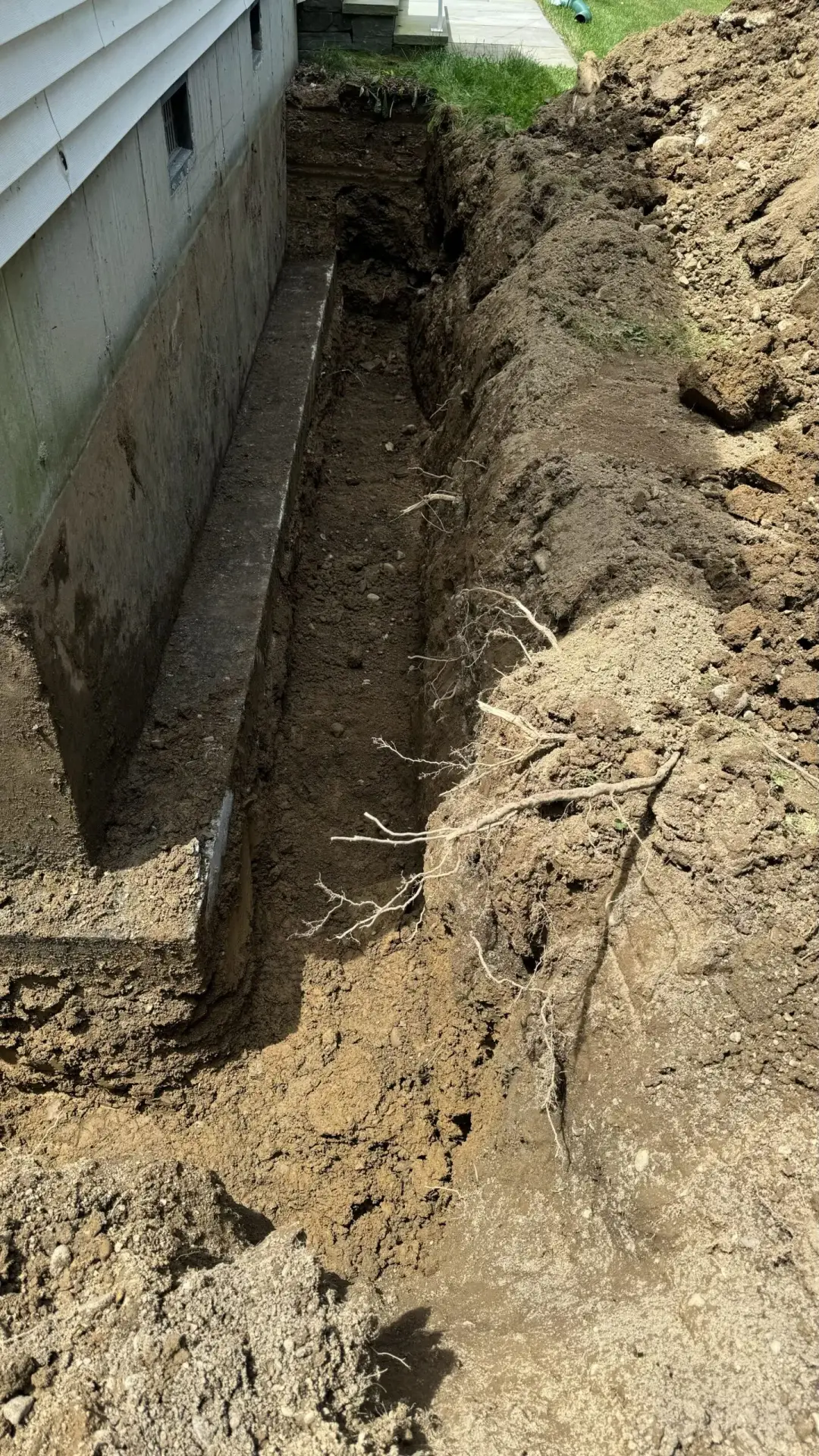
A French drain uses a perforated drainage pipe surrounded by gravel or another drainage material to collect water and direct it toward a designated drainage point. You can install the system outside the foundation or along the interior perimeter of a basement, depending on where you need to control the water.
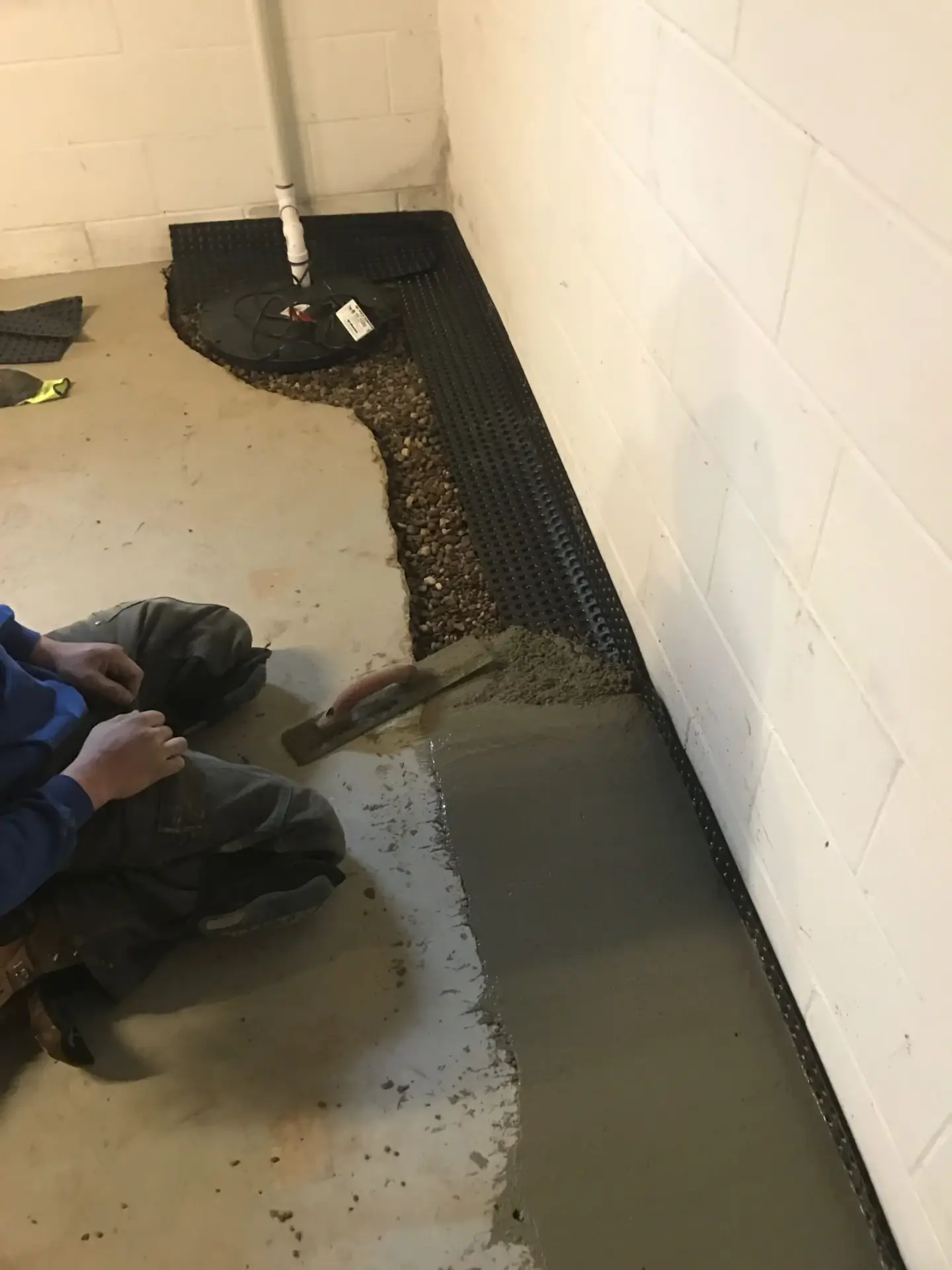
An interior French drain can collect groundwater that reaches the basement along the floor edges or through the foundation. The collected water can then flow toward a sump basin or another suitable discharge point.
French drains work best when collected water has a clear way to leave the area. If the property does not allow water to drain away by gravity, you may need a sump pump to move it out.
How a Sump Pump Works
A sump pump removes water that collects in a sump basin. When the water reaches a certain level, the pump turns on and sends it through a discharge pipe away from the foundation.
A sump pump is useful when groundwater regularly collects around the foundation and there is no practical gravity-based route to move it away. You can also pair it with a French drain, where the drain collects water and the pump removes it.
The pump itself does not prevent water from entering the basement. It handles water after it has reached the sump basin, which is why other drainage or waterproofing measures may still be necessary.
French Drain vs. Sump Pump: Which One Do You Need?
Choosing between a French drain and sump pump starts with finding out where the water is coming from. A drainage system designed to collect water serves a different purpose from a pump designed to remove it.
A basement that gets water along the floor perimeter may benefit from a French drain, while a property where groundwater collects in a sump basin may need a sump pump. Some homes require both because the two systems work together.
Situation | French Drain | Sump Pump | Potentially Both |
Water collects along the basement perimeter | ✓ | ✓ | |
Groundwater collects in a sump basin | ✓ | ✓ | |
Water needs to be collected before it can be removed | ✓ | ✓ | |
No practical gravity drainage route | ✓ | ✓ | |
Water needs to be redirected away from the foundation | ✓ | ✓ | |
Recurring groundwater enters the basement | ✓ | ✓ | |
Drainage system needs a powered discharge | ✓ | ✓ |
When a French Drain May Be the Better Solution
A French drain may be useful when water moves toward the basement or collects around the foundation and needs redirecting. Interior French drains are often used when water enters along the basement perimeter or where the floor meets the foundation wall.
The drainage pipe gives water a path away from problem areas. Depending on the home’s layout, that water may flow to a sump basin or another discharge point.
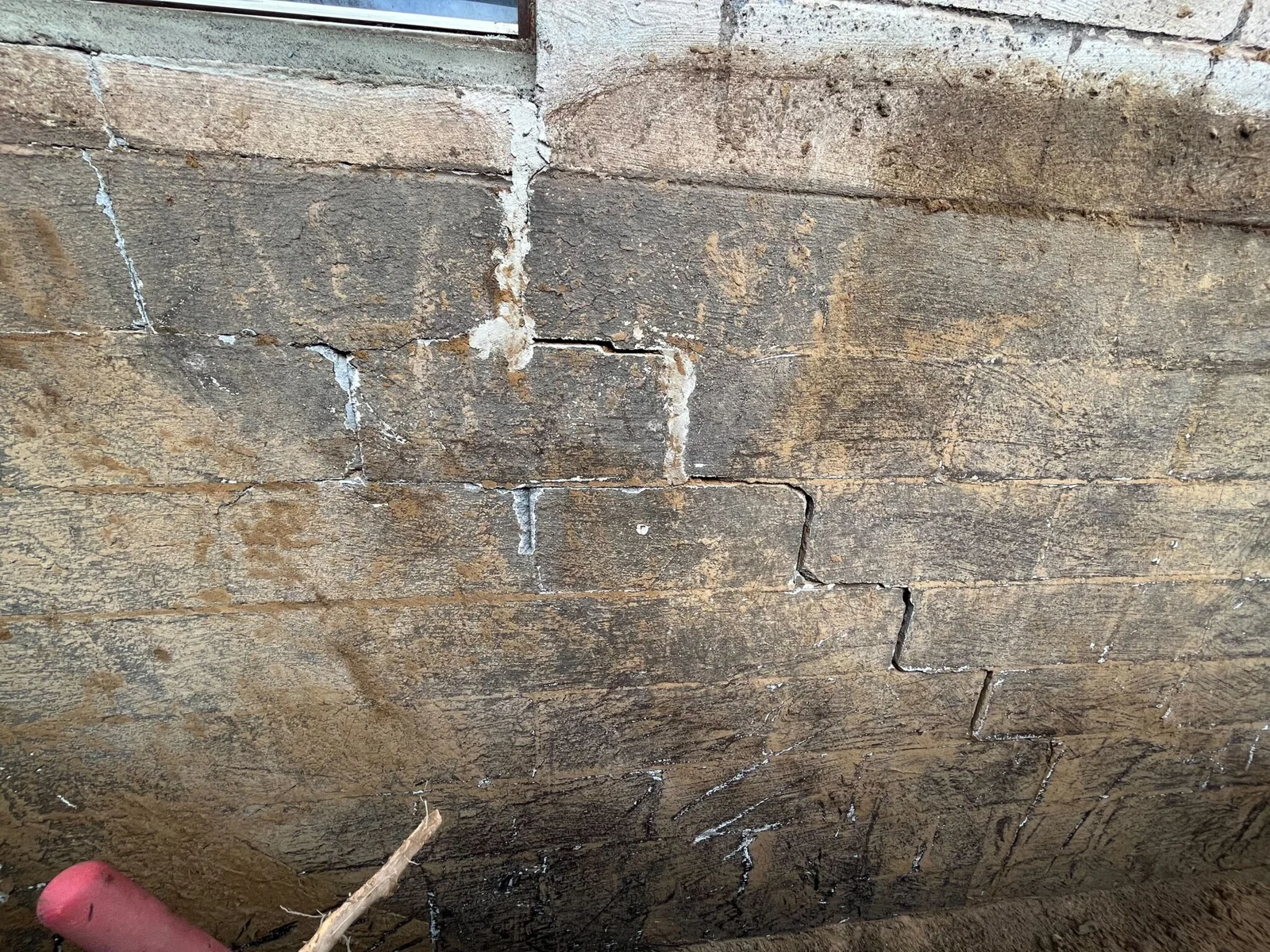
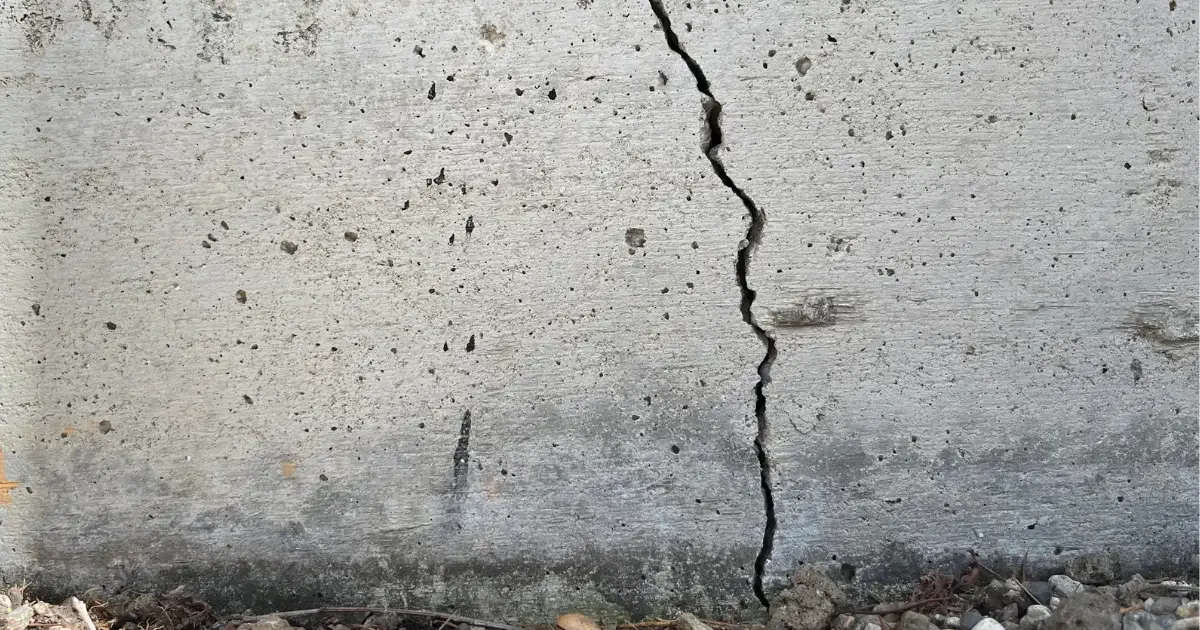
A French drain does not automatically solve every basement water problem. Water coming through foundation cracks, windows, walls, or other openings may require additional repairs or waterproofing.
When a Sump Pump May Be Necessary
A sump pump may be necessary when groundwater collects in a sump basin and cannot drain off the property by gravity. It is especially useful for homes where the basement sits below the surrounding property’s natural drainage level.
The pump removes water as it accumulates and directs it away from the foundation. A properly installed discharge line matters because moving water only a short distance from the house can allow it to flow back toward the foundation.
A sump pump may also provide an important layer of protection for a basement that regularly deals with groundwater. Homes with recurring water problems may also benefit from a backup pump or other backup system, depending on their needs.
When You May Need Both
You may need both a French drain and a sump pump when water needs to be collected first and then pumped away. This is common when groundwater enters along the basement perimeter, and there is no practical way to move it away from the home by gravity.
A French drain can collect water from around the foundation and direct it toward a sump basin. The sump pump then removes that water through a discharge pipe. This setup can be useful when the basement regularly experiences groundwater, especially when the property lacks a suitable drainage point at a lower elevation.
You may also need both when a French drain can collect the water but cannot move it far enough away from the foundation on its own. In that situation, the drain handles collection, while the sump pump provides the force needed to discharge the water.
This combination isn’t necessary for every wet basement. If water can drain away naturally, a French drain may be enough. If water already collects in a sump basin, a sump pump may be the main solution. The water source and how it can be discharged will determine whether both systems are needed.
Do You Need a Sump Pump With a French Drain?
A French drain doesn’t automatically require a sump pump. The deciding factor is what happens to the water after the drain collects it. If the water has a safe path to leave the property by gravity, you may not need a pump.
A sump pump becomes useful when the collected water has nowhere to go on its own. For example, an interior French drain may direct groundwater into a sump basin, where the pump then carries it through a discharge pipe and away from the foundation.
The property’s elevation, basement location, groundwater conditions, and available discharge points all affect whether a pump is needed. If the French drain can collect the water but cannot move it far enough away from the home by gravity, a sump pump may be needed to complete the drainage system.
Can a French Drain Help With Basement Flooding?
A French drain can help with basement flooding caused by groundwater moving toward the foundation or water collecting along the basement perimeter. An interior French drain can collect water where the basement floor meets the foundation wall and direct it toward a sump basin or another drainage point.
French drains can also help when hydrostatic pressure pushes groundwater through the basement floor or along the foundation perimeter. By giving that water a controlled path to a drainage system, you can reduce the amount of water reaching the finished basement.
A French drain is less useful when flooding comes from surface water entering through doors or windows, a sewer backup, a plumbing leak, or a foundation crack that needs separate repair. Those problems have different sources and may require drainage improvements, plumbing work, crack repair, or waterproofing in addition to a French drain.
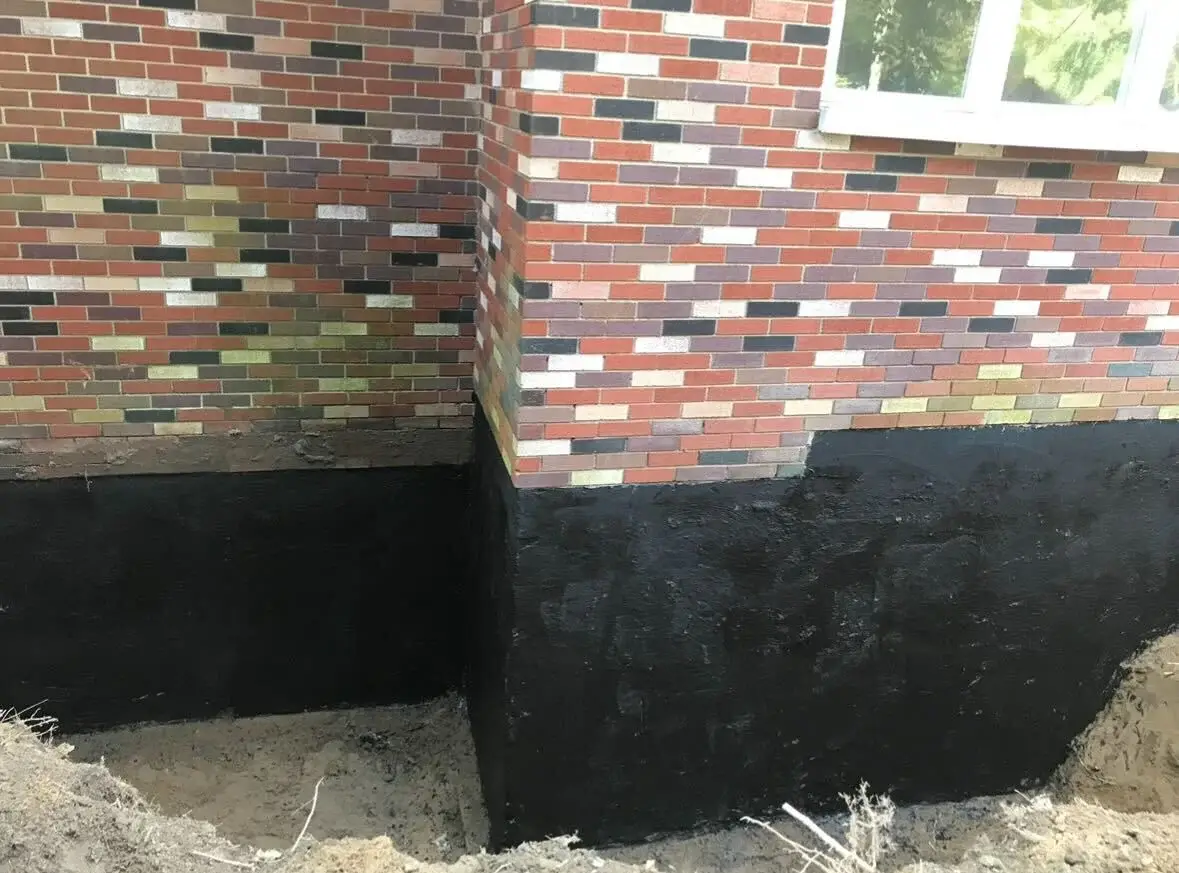
Exterior drainage can also affect how well a French drain performs. If water repeatedly collects around the home, you may need to address gutters, downspouts, grading, soil conditions, and exterior foundation waterproofing as part of the overall drainage solution.
Are There Sump Pump Alternatives?
A sump pump is not the only way to move water away from a foundation. Depending on the property’s elevation and drainage conditions, water may leave by gravity or through another drainage system.
The important consideration is whether the alternative can reliably move water away from the foundation. A system that only redirects water a short distance may leave the home with the same problem.
Gravity Drainage
Gravity drainage allows water to move naturally through a drainage pipe toward a lower discharge point. When the property has enough slope and a suitable place for the water to go, this can eliminate the need for a pump.
The challenge is that not every basement sits high enough above the discharge area for gravity to work. If the water cannot travel downhill far enough, you may still need a sump pump.
Exterior Drainage
Exterior drainage can keep water away from the foundation before it reaches the basement. This may involve improving grading, extending downspouts, installing exterior drainage, or addressing other areas where rainwater collects.
Preventing water from reaching the foundation can reduce the moisture the basement drainage system has to handle. However, exterior drainage does not replace a sump pump when groundwater is already collecting below the basement level.
French Drain Systems
A French drain can collect and redirect groundwater without relying on a pump when the property has an appropriate discharge point. You can also connect it to a sump basin when gravity alone cannot move the water far enough away.
This makes a French drain more than just a sump pump alternative. In many basement drainage systems, the two serve different purposes and can be used together.
What Does It Cost to Install a Sump Pump and French Drain?
There is no single cost to install a sump pump and French drain because the work varies from one property to another. Basement size, drainage conditions, access, excavation, concrete work, pump type, and the required discharge route can all affect the final price.
A combined system can also involve more than installing two separate components. When estimating the project, consider how the French drain, sump basin, pump, and discharge line work together.
Factors That Affect French Drain Cost
The length and location of the French drain can significantly affect the cost. An interior system may require cutting and removing sections of the basement floor before installing the drainage pipe and restoring the area.
Exterior systems can involve excavation around the foundation, which can add labor depending on soil conditions, landscaping, access, and foundation depth. The type of drainage materials and where the collected water needs to go also affect the work involved.
Factors That Affect Sump Pump Cost
Sump pump costs can vary based on the pump itself and everything needed to install and operate it. The sump basin, discharge piping, electrical requirements, and condition of the existing drainage system can all affect the project.
A backup pump or backup power system can also add to the cost. These options may be useful for homes that rely heavily on a sump pump to manage recurring groundwater.
Why the Cheapest Option May Not Solve the Problem
The least expensive drainage option may not address the source of the water. For example, installing a pump where water enters through an unresolved foundation crack may move some water without addressing why the basement is getting wet.
A drainage system should match the actual water problem. Looking at the foundation, soil, drainage, and available discharge routes first can help you avoid spending money on a system that doesn’t fit the property.
Can a Sump Pump Fix a Wet Basement by Itself?
A sump pump can remove water that reaches the sump basin, but it does not stop every source of basement moisture. Water can still enter through foundation cracks, wall-floor joints, porous foundation materials, windows, or poor exterior drainage.
The pump works as part of a larger drainage setup when you need to collect and remove water from the property. If water is entering from elsewhere, you may need to repair or control that source separately.
For example, a basement with water entering through a foundation wall may need waterproofing or crack repair in addition to a sump pump. A basement that floods because rainwater flows toward the foundation may need grading or exterior drainage improvements.
How Do You Choose a Basement Drainage System?
The right basement drainage system depends on how water reaches the foundation and what happens to it once it gets there. Looking only at the amount of water in the basement isn’t enough to choose between a French drain, sump pump, exterior drainage, or another solution.
Start by identifying the source, the water’s path, and the best way to remove it.
If water enters along the basement perimeter, an interior drainage system may be appropriate. If groundwater collects in a basin, a sump pump may be needed. If rainwater pools outside the foundation, you may need to address exterior drainage first.
You should also consider the foundation itself. Cracks, wall movement, water stains, or other damage can change the recommended approach because the drainage system may need to work alongside foundation repair or waterproofing.
Get the Right Basement Drainage Solution
A sump pump and French drain are not interchangeable in every situation. One collects or redirects water, while the other removes water from a collection point. Understanding how these systems fit your home’s conditions can help you avoid treating the wrong part of the problem.
Top Course Masonry can evaluate basement water problems, foundation conditions, and drainage needs to determine what may be contributing to the moisture. Contact Top Course Masonry to discuss the right drainage solution for your basement and get an estimate for the work your home needs.