A musty basement smell usually points to excess moisture, even if you cannot see standing water or damp spots. High humidity, condensation, mold, mildew, and water seeping through foundation walls can all cause that stale, earthy odor. Stored belongings, carpets, and furniture may also hold moisture and make the smell harder to remove.
In New York’s Capital Region, rain, snowmelt, and changing temperatures can contribute to basement moisture problems. The best way to get rid of the smell is to find and address the moisture source. Cleaning surfaces or using an air freshener may help temporarily, but the odor is likely to return if the underlying problem remains.
What Causes a Musty Smell in a Basement?
The most common causes of a musty basement smell are excess moisture, mold or mildew growth, and poor air circulation. Basements sit below ground level, so moisture can enter through the foundation or build up in the air. Materials such as wood, drywall, carpet, and cardboard can absorb that moisture and hold onto odors.
Identifying the source helps you choose the right solution instead of repeatedly cleaning the same areas.
Mold and Mildew Growth
Mold and mildew can grow on surfaces that stay damp, including basement walls, wood framing, drywall, carpet, and stored belongings. Some growth is easy to spot, appearing as dark, green, or white patches. Other growth may be hidden behind furniture, inside wall cavities, or beneath flooring.
A persistent earthy smell can warn you of mold, even when you cannot see it. Cleaning visible spots without fixing the moisture problem will not prevent new growth. You need to dry the affected area and fix the moisture source.
High Humidity and Condensation
A basement can feel damp without having an active leak. When humid air meets cold surfaces, moisture can collect on concrete walls, windows, metal pipes, and other materials. This is called condensation.
Basements often stay cooler than the rest of the house, making condensation more likely during warmer weather. Poor airflow can worsen the problem by letting humid air linger.
If windows fog up, pipes feel wet, or the air smells damp, check the humidity level. A dehumidifier may help control indoor moisture, but it will not stop water from entering through a leaking foundation or plumbing system.
Water Seeping Through Foundation Walls
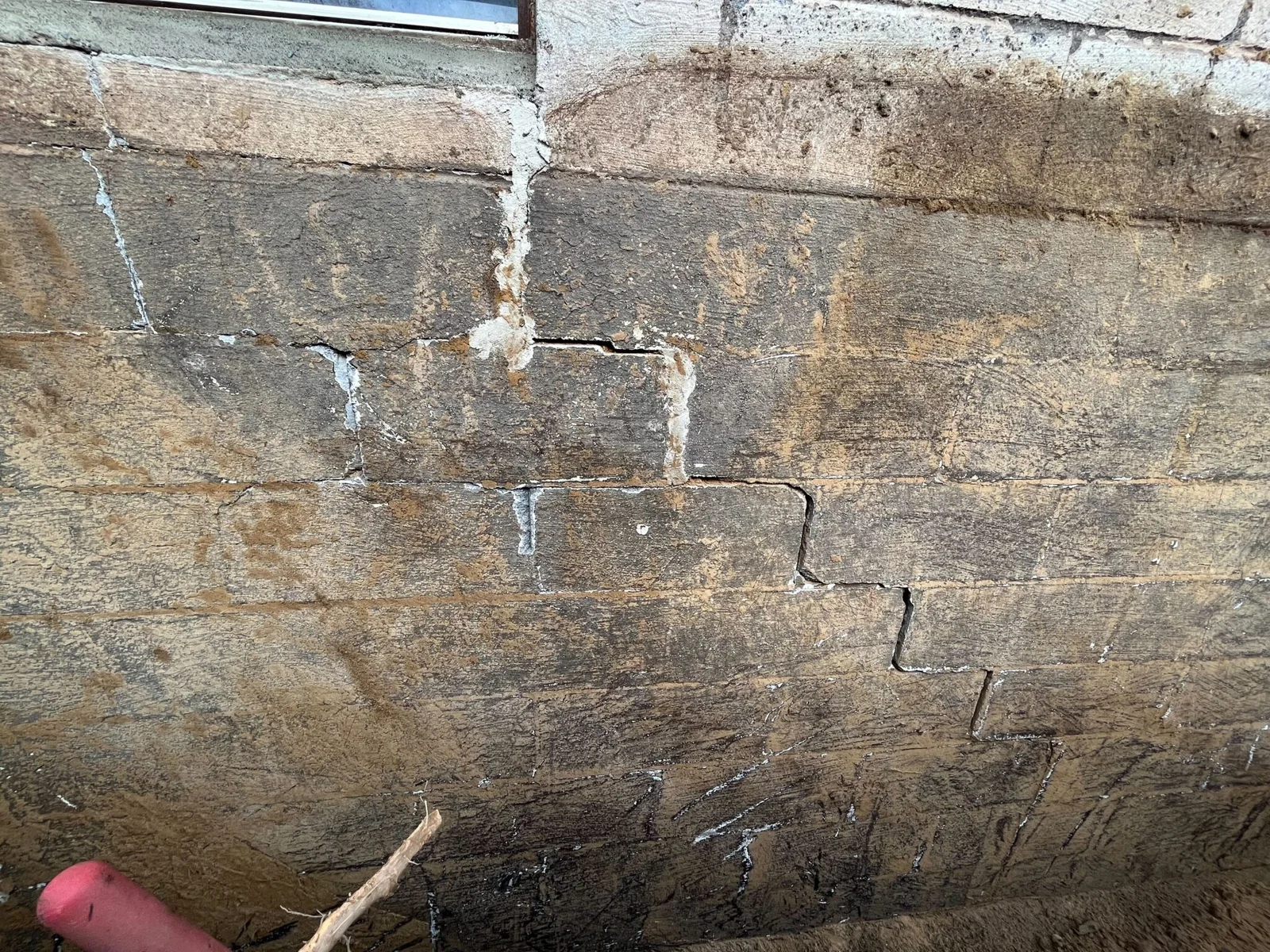
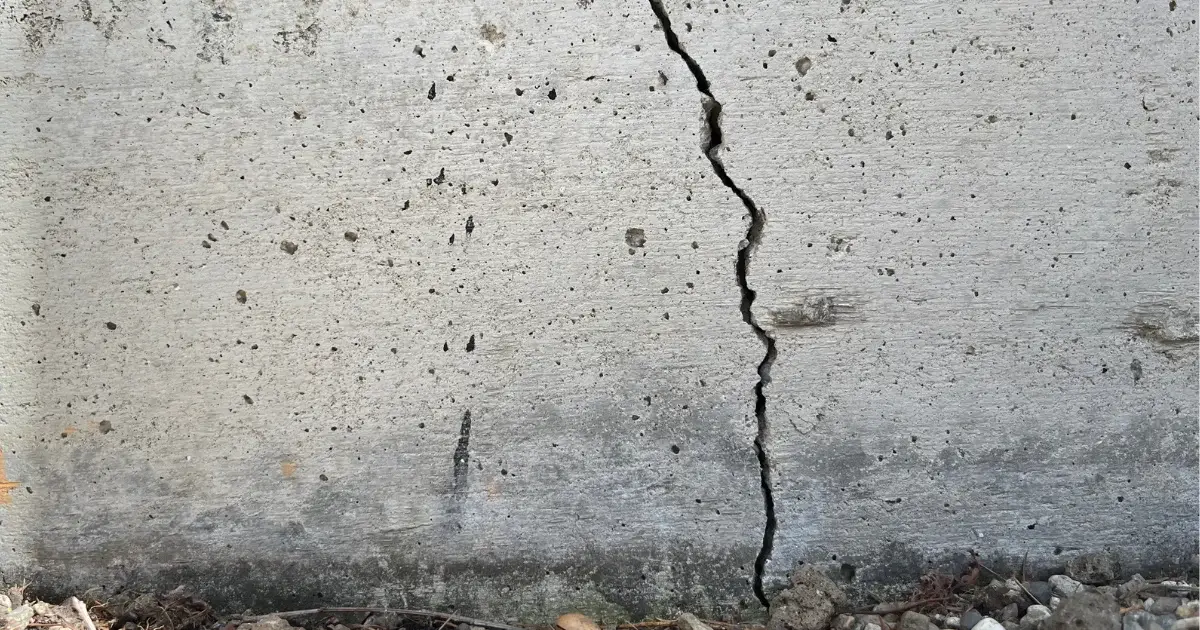
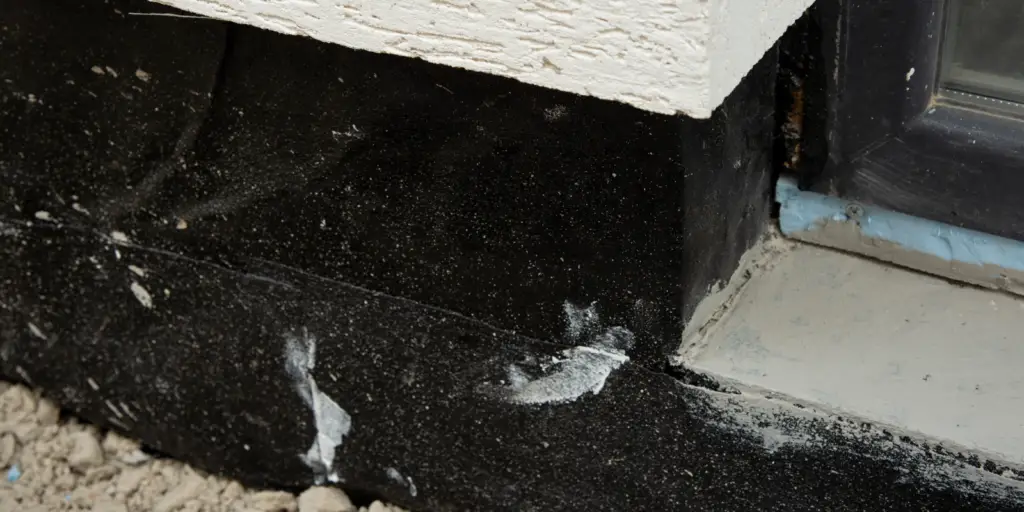
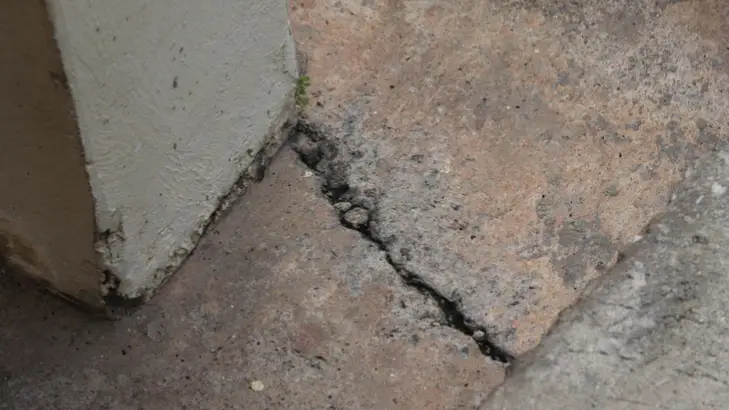
Water can move through foundation cracks, porous concrete, gaps around windows, and other weak points. You may notice damp patches, peeling paint, white mineral deposits, or a musty odor along one section of the basement.
Sometimes the water enters only during heavy rain or snowmelt, so the walls may look dry when you inspect them later. Repeated moisture exposure can still create conditions for mold and mildew.
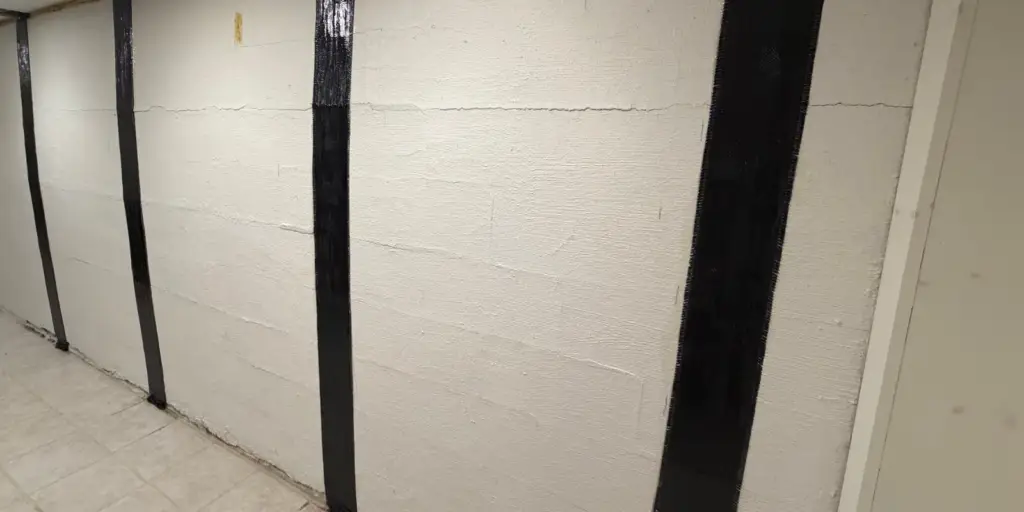
The right repair depends on where the water enters and why. A professional inspection can help determine whether the problem requires crack repairs, drainage improvements, or a more complete waterproofing system.
Poor Drainage Around the Foundation
Water that collects around your home can put pressure on foundation walls and increase the chance of basement seepage. Clogged gutters, short downspouts, low spots in the yard, and soil sloping toward the house can all contribute.
After heavy rain, check whether water pools near the foundation or flows toward the house instead of away from it. Downspouts should discharge water away from the foundation, and the surrounding ground should direct runoff away from the structure.
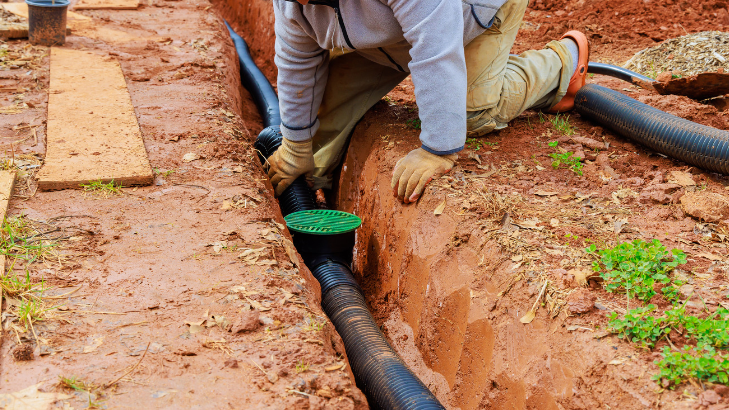
If water repeatedly enters the basement after storms, surface drainage improvements may not be enough. The foundation and existing drainage system may also need to be evaluated.
Leaking Pipes and Plumbing Problems
A slow plumbing leak can create a musty basement smell long before a puddle appears. Water may drip behind a wall, beneath a sink, around a water heater, or near a washing machine. Over time, it can dampen nearby wood, insulation, and drywall.
Inspect exposed pipes and plumbing connections for water droplets, corrosion, stains, or damp materials. Also check around floor drains, laundry equipment, and utility sinks.
If the smell is strongest near plumbing or appears even when it has not rained, a plumbing leak may be the cause. Have damaged pipes or connections repaired before drying and cleaning the affected area.
Damp Carpets, Furniture, and Stored Items
Carpets, upholstered furniture, cardboard boxes, clothing, and paper products can absorb moisture from the basement air or a previous leak. Once damp, these materials may continue to smell even after you fix the original water source.
Check items stored directly on concrete floors or against exterior walls. Cardboard boxes and fabric-covered furniture are especially likely to hold odors when ventilation is limited.
Move belongings to a dry area while you investigate. Wash and dry items that can be safely cleaned, and discard materials that are moldy or cannot be dried thoroughly. If the smell remains after you remove the belongings, the source may be in the basement structure itself.
Why Does My Basement Smell Musty but Look Dry?
A basement can smell musty without obvious signs of water because moisture isn’t always visible. It may be trapped behind finished walls, beneath flooring, inside insulation, or within porous concrete. Condensation can also evaporate before you notice it, leaving the odor behind.
If the smell persists despite cleaning and running a dehumidifier, look beyond the exposed surfaces.
Hidden Moisture Behind Walls
Finished basements can hide water damage for months. A small foundation leak or plumbing problem may dampen insulation, drywall, or wood framing behind the wall without creating visible puddles.
Warning signs include peeling paint, bubbling drywall, swollen baseboards, discoloration, and a smell that seems strongest along one wall. You may also notice the odor returning shortly after cleaning.
Avoid covering the area with fresh paint or new materials before identifying the source. Hidden moisture can keep damaging the wall assembly until you repair the leak or seepage.
Mold Under Flooring and Carpets
A basement floor may look clean while moisture remains trapped beneath carpet, padding, laminate, or other flooring. A previous leak or repeated condensation can leave these layers damp enough to develop an odor.
Pay attention to smells that become stronger near carpet edges, floor seams, or rooms with limited airflow. Soft or discolored flooring may also indicate moisture damage.
If you suspect mold beneath the flooring, avoid pulling up large affected areas without understanding the extent of the problem. Extensive contamination may require professional assessment and cleanup.
Condensation on Pipes and Cold Surfaces
Cold water pipes, concrete walls, and basement windows can collect moisture when warm, humid air reaches them. The water may evaporate quickly, so you might never see a wet surface during a later inspection.
Look for droplets on pipes, foggy windows, rust on metal fittings, or dampness that appears during warm or humid weather. Pipe insulation can reduce condensation on suitable plumbing, while humidity control and better airflow may help with other cold surfaces.
If water continues to appear, make sure it is condensation rather than a plumbing leak or water entering from outside.
Moisture Coming Through Concrete
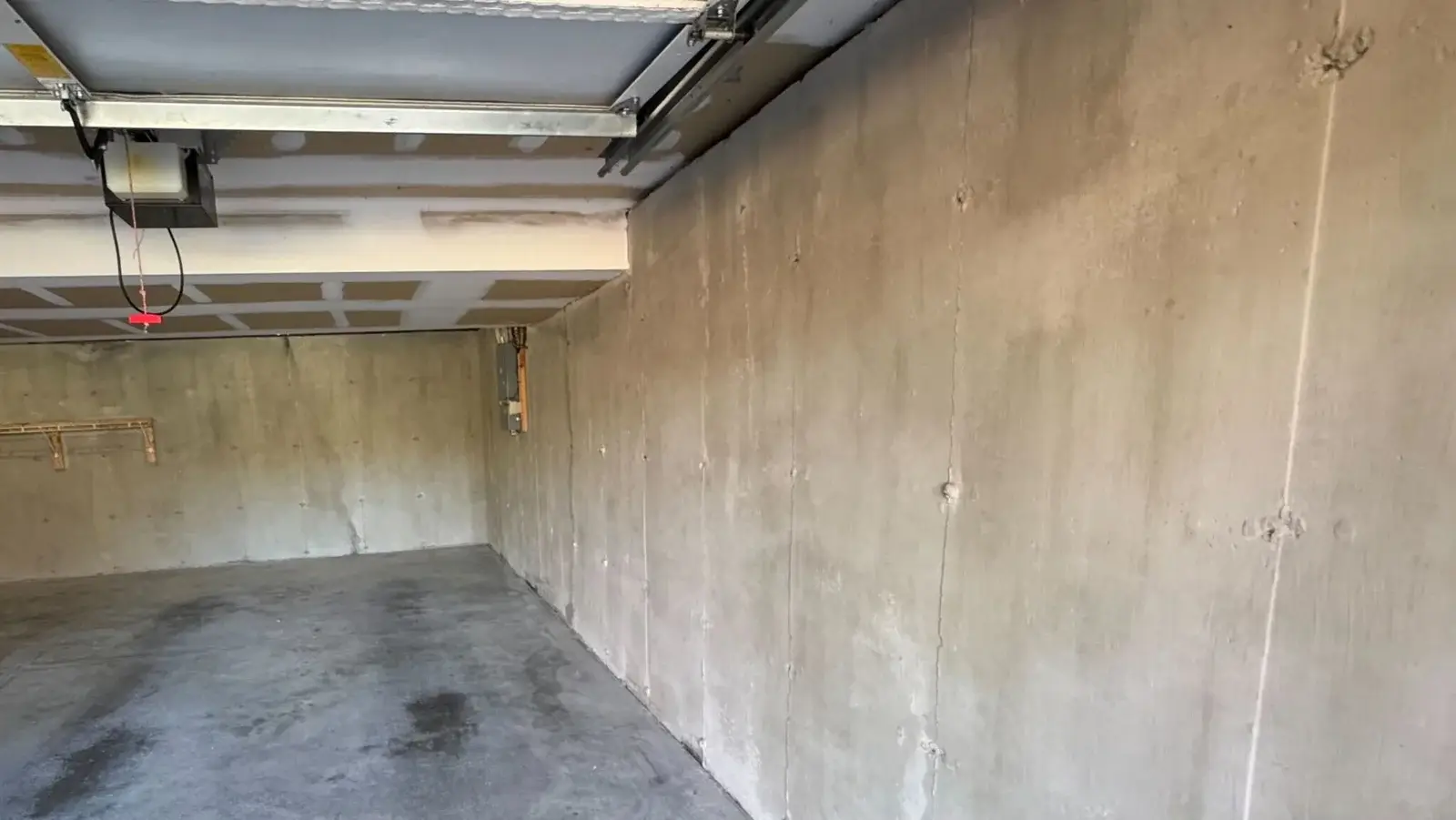
Concrete may look solid and dry but still allow water vapor to pass through. Because concrete is porous, moisture from the surrounding soil can move through the foundation, contributing to higher basement humidity.
This can lead to a damp basement smell without obvious water intrusion. You may notice the odor near exterior walls or across a concrete floor, especially during periods of high humidity.
A surface coating alone may not solve the problem if moisture continues to enter through the foundation. The right approach depends on the concrete’s condition, the amount of moisture, and whether there are cracks or drainage issues.
Is a Musty Basement Smell a Sign of Mold?
A musty smell can indicate mold or mildew, but the odor alone cannot confirm that mold is present. Excess humidity, damp materials, poor airflow, and other moisture problems can also contribute to the smell.
Mold may grow on surfaces that remain damp, including drywall, wood, carpet, insulation, and stored belongings. It can also develop in hard-to-inspect areas, such as behind finished walls or beneath flooring.
Look for visible growth, water stains, peeling paint, soft drywall, and recurring condensation. If you see mold or suspect it is hidden inside a wall, avoid disturbing the affected materials unnecessarily. Large areas of mold, extensive water damage, or contamination involving heating and cooling systems may require a qualified remediation professional.
The priority is to find and correct the moisture source. Cleaning or removing mold without controlling moisture can allow the problem to return.
How to Find the Source of a Basement Smell
Start by noticing when the smell is strongest and where it seems to originate. A musty odor that gets worse after rain may point to foundation seepage or poor exterior drainage. A smell that increases during warm, humid weather may be related to condensation or high indoor humidity.
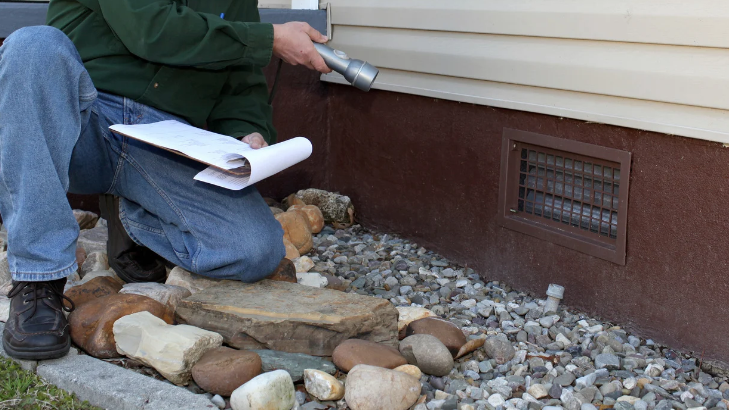
Walk through the basement and inspect the following areas:
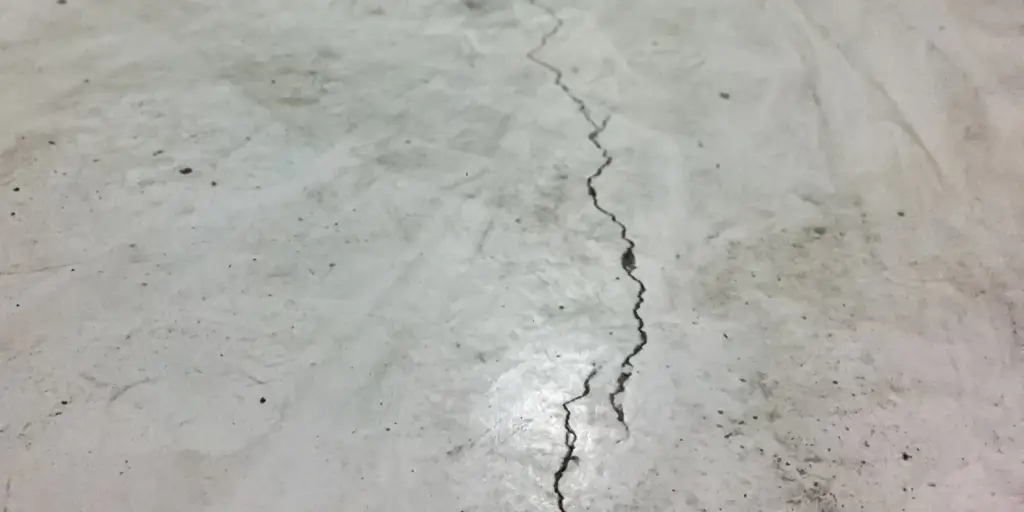
- Foundation walls and floors for cracks, damp patches, stains, or white mineral deposits.
- Windows and window wells for water intrusion, clogged drainage, and deteriorated seals.
- Plumbing, water heaters, laundry equipment, and floor drains for leaks or moisture.
- Pipes, windows, and cold surfaces for condensation.
- Carpets, furniture, storage boxes, and the areas behind large items for trapped dampness.
- Gutters, downspouts, and the ground around the home for signs that water is collecting near the foundation.
A humidity meter can help you determine whether the air is consistently too damp. Indoor relative humidity should generally stay below 60%, with a target of around 30% to 50% when practical.
Track whether the smell changes after rain, during humid weather, or when you use plumbing fixtures. These patterns can help narrow down the source.
If you find cracks, water stains, or signs of foundation movement, a foundation inspection can help determine whether the foundation needs attention. A plumber should assess plumbing leaks, while suspected mold contamination may require a remediation specialist.
How to Remove a Musty Smell From a Basement
To remove a musty smell from a basement, control moisture, clean affected surfaces, and remove materials that keep holding odors. The order matters. If water is still entering the basement, cleaning alone will provide only temporary relief.
Fix Leaks and Stop Water Intrusion
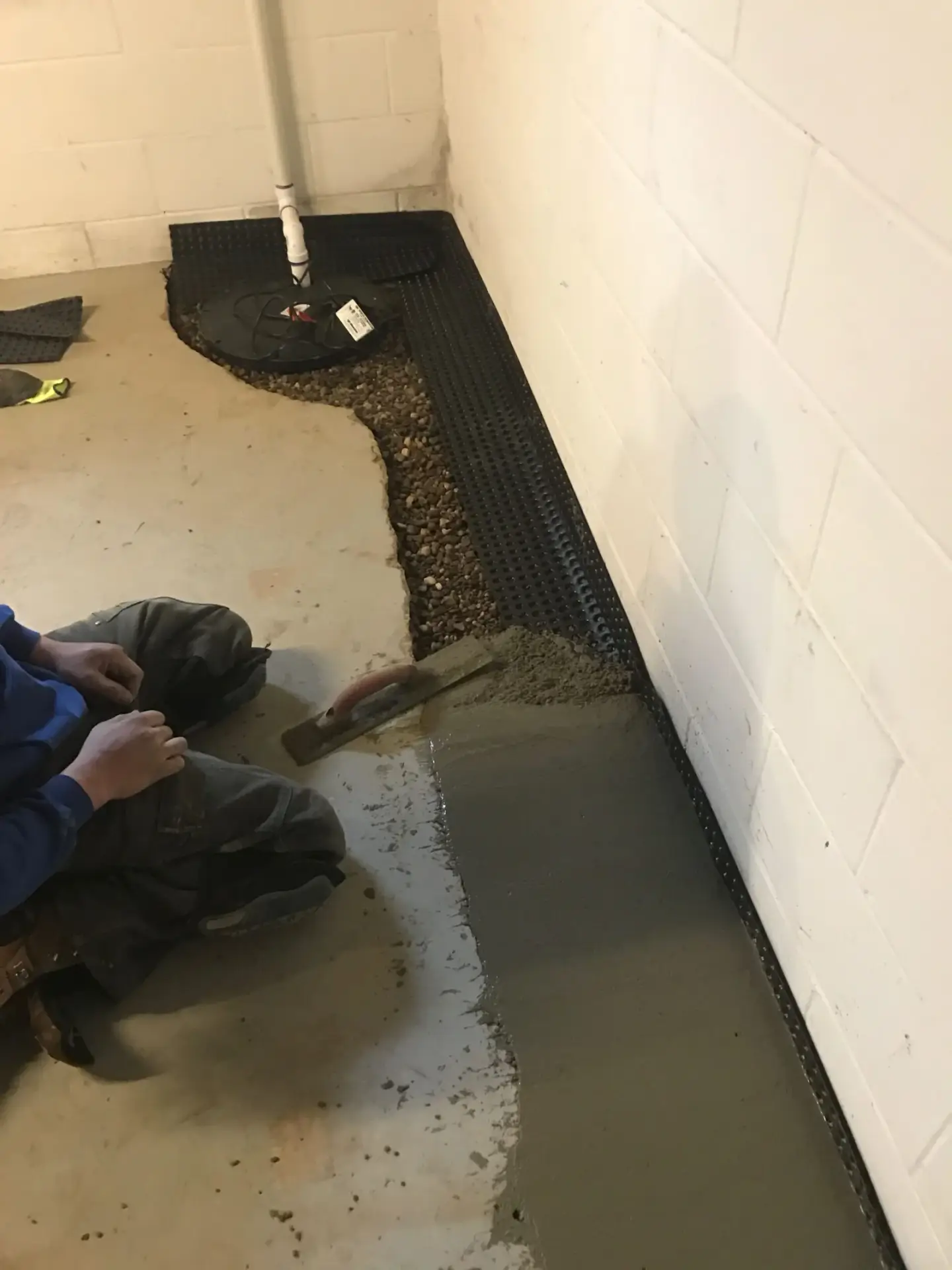
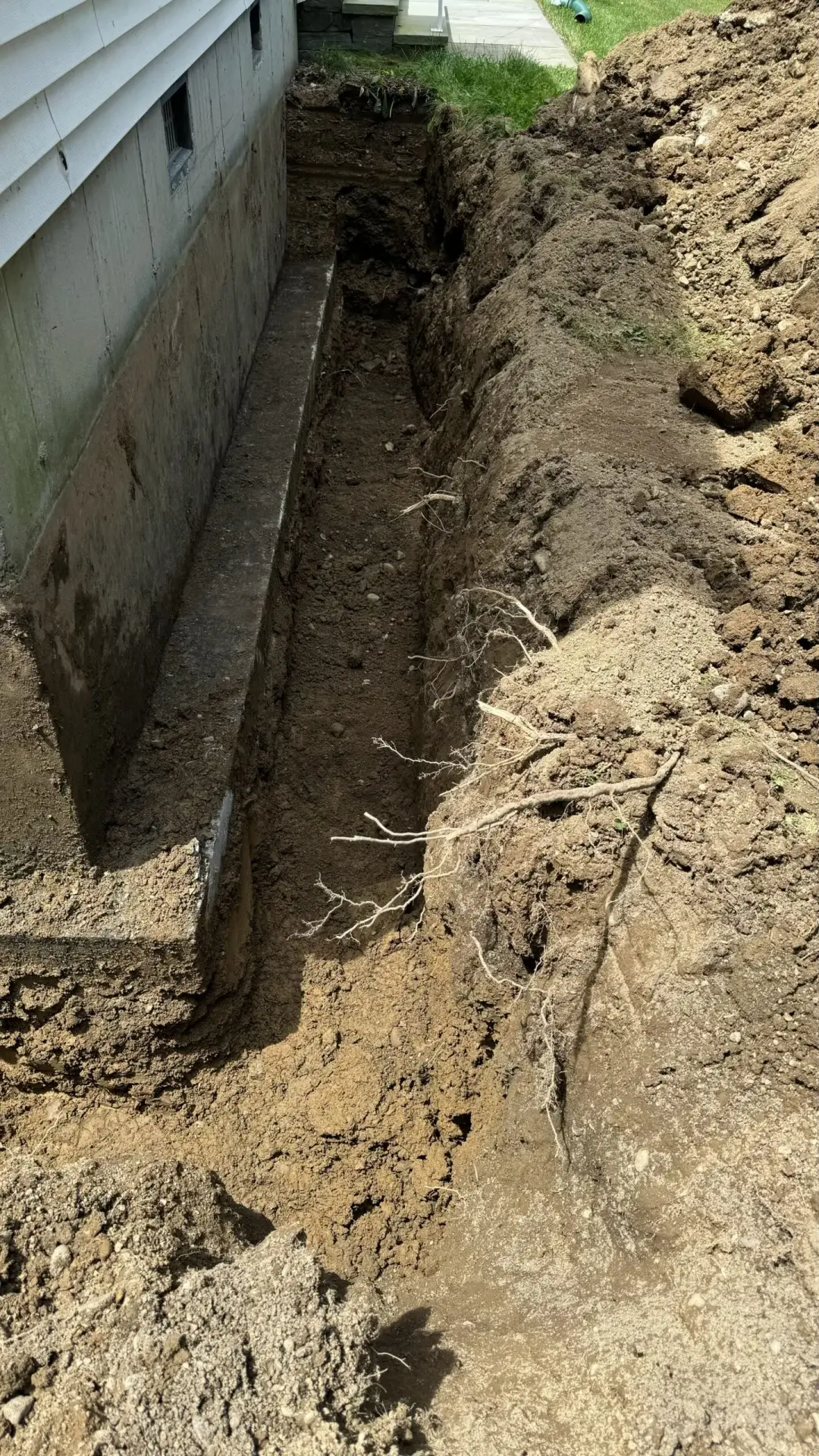
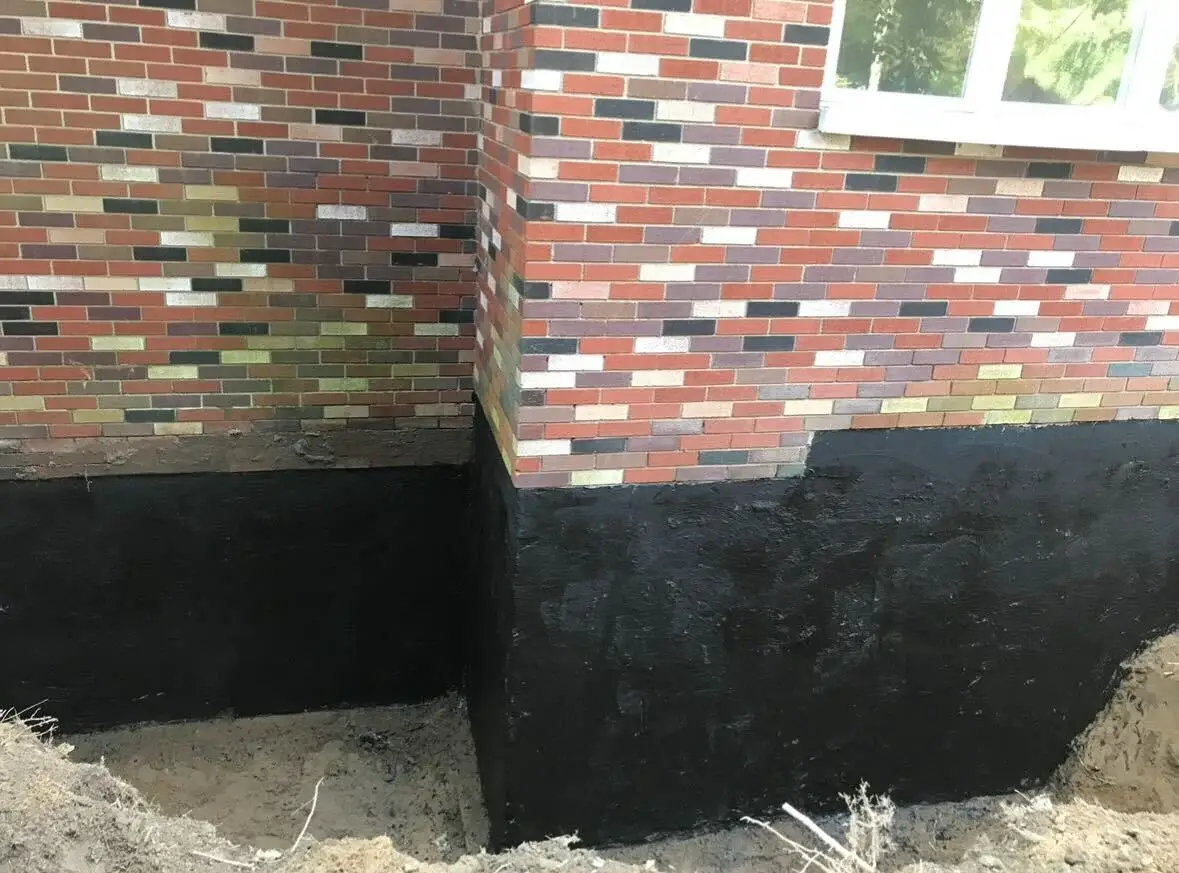
Repair active plumbing leaks and address water entering through the foundation before focusing on the odor. Depending on the cause, this may involve repairing foundation cracks, correcting exterior drainage, sealing vulnerable openings, or installing a drainage system.
Check gutters and downspouts first, as you can often fix them without major construction. If water continues to enter through the walls or floor, you may need a more thorough evaluation.
Top Course Masonry provides foundation waterproofing to help homeowners address moisture entering through their foundations. The right solution depends on where the water is coming from and the condition of the existing structure.
Lower Basement Humidity
A dehumidifier can help remove excess moisture from the air and reduce the conditions that allow musty odors to develop. Use a model suited to your basement’s size and moisture level, and empty the tank or connect a drain as the manufacturer directs.
Monitor the humidity rather than relying only on how the basement feels. When practical, keeping relative humidity around 30% to 50% can help limit moisture buildup.
Remember that a dehumidifier manages humidity, not the source of a leak. If water continues to seep through the foundation, you will need to address that problem separately.
Clean Mold and Mildew From Surfaces
If mold or mildew is present, the cleaning method depends on the material, the size of the affected area, and the extent of the damage. You may be able to manage small areas on suitable hard surfaces with appropriate cleaning products and protective equipment, following the product label.
Never mix bleach with ammonia or other cleaning products. Avoid dry brushing or sanding moldy materials, which can spread particles into the air.
Remove porous materials such as drywall, carpet padding, and insulation if they are moldy or cannot be dried and cleaned properly. For extensive growth or damage, contact a qualified mold remediation professional rather than attempting a large cleanup yourself.
Remove Damp or Damaged Materials
Items that stay damp can keep the basement smelling musty even after you fix the leak. Remove wet cardboard, damaged carpet padding, moldy insulation, and other materials that cannot be dried or safely cleaned.
Clean salvageable belongings based on their material, and dry them completely before returning them to the basement. Keep storage containers off the floor and leave space between stored items and exterior walls so air can circulate.
If the smell remains after you remove affected belongings, inspect the surrounding wall, floor, and foundation for moisture you may have missed.
Improve Air Circulation
Poor airflow allows humid air and odors to linger. Keep vents clear, avoid packing belongings tightly against walls, and use fans where appropriate to improve circulation while the basement dries.
Opening windows may help when outdoor air is drier than indoor air. However, opening basement windows during humid weather can bring in more moisture and make the problem worse.
Ventilation can support moisture control, but it will not replace repairs to a leaking foundation or plumbing system. If the odor persists despite better airflow, investigate the source rather than relying on fans or air fresheners.
Preventing Musty Basement Odors
The best way to keep a basement from smelling musty is to control moisture and prevent damp materials from accumulating. Once you have corrected any leaks or water intrusion, a few maintenance habits can help keep the smell from returning.
Keep gutters clear and direct downspouts away from the foundation. Check basement walls and floors after heavy rain, and repair plumbing leaks as soon as they appear. Monitor humidity during warm weather and use a dehumidifier when needed.
Store belongings in sealed plastic containers instead of cardboard boxes, especially if the basement is prone to dampness. Keep items off concrete floors, leave space around exterior walls, and avoid storing wet clothing or fabrics in the basement.
Periodically inspect the basement for condensation, water stains, peeling paint, and new cracks. Addressing these signs early can prevent moisture damage and persistent odors.
Can a Dehumidifier Remove a Musty Basement Smell?
A dehumidifier can reduce a musty basement smell when excess humidity is the main cause. It removes moisture from the air, making it harder for mold and mildew to grow and helping damp materials dry.
However, a dehumidifier will not repair a leaking pipe, stop groundwater from entering through foundation walls, or remove mold growing inside damaged materials. If one of these problems is causing the smell, controlling humidity alone may not be enough.
Use a humidity meter to track conditions and follow the dehumidifier manufacturer’s recommendations for placement, drainage, and maintenance. If the unit runs constantly or the smell returns soon after you turn it off, check for an ongoing moisture source.
A dehumidifier works best as part of a broader moisture-control plan, not as a substitute for necessary foundation or plumbing repairs.
Why Does the Musty Smell Keep Coming Back?
A musty basement smell often returns because you never fully corrected the original moisture source. You may have cleaned the walls, removed old belongings, or used an air freshener, but water could still be entering through a foundation crack or collecting beneath the flooring.
Humidity can also rise again when the weather changes. Materials that absorbed moisture may release odors as conditions become more humid, even if they seemed dry during the previous inspection.
To stop the smell from returning, check whether the basement is still experiencing condensation, leaks, or water intrusion. Make sure you’ve properly dried, cleaned, or removed damaged materials. Continue monitoring humidity and inspect the foundation after heavy rain.
If the odor keeps returning in the same location, that pattern may help identify the source. A persistent smell near an exterior wall may point to moisture in the foundation, while an odor near a utility area may indicate a plumbing problem.
When to Call a Basement Waterproofing Contractor
Consider contacting a basement waterproofing contractor when the smell persists despite humidity control and cleaning, or when you notice signs that water is entering through the foundation.
Common warning signs include damp foundation walls, recurring water stains, efflorescence, water entering after rain, and worsening cracks. You may also need a professional evaluation if water collects along the floor or the basement repeatedly becomes damp during snowmelt.
A contractor can assess the foundation, drainage conditions, and possible entry points to determine whether waterproofing or foundation repairs are appropriate. The goal is to identify the cause before recommending a solution.
If the source is a plumbing leak, contact a plumber. If you suspect significant mold growth or hidden contamination, you may need a qualified mold remediation professional. Choosing the right specialist helps ensure the problem is addressed, not covered up.
Get Help With a Musty Basement Smell
A musty basement smell may start with high humidity, condensation, or damp belongings, but recurring odors can also point to water entering through the foundation. Finding the source is the first step toward keeping the basement dry and preventing further damage.
Top Course Masonry helps homeowners throughout the Capital Region identify and address foundation moisture problems. If you have damp walls, recurring seepage, or signs of water intrusion, our team can evaluate the foundation and discuss appropriate repair options.
Contact Top Course Masonry to request an estimate for basement waterproofing.