
20+
1,000+
5
Posted on GoogleTrustindex verifies that the original source of the review is Google. Paul at Top Course Masonry embodies the definition of professionalism and integrity. He was knowledgeable and informative, giving thoughtful recommendations which kept both our budget and family needs in mind! I highly suggest Top Course!Posted on GoogleTrustindex verifies that the original source of the review is Google. Top Course Masonry did a fantastic job with repairing my foundation at an AFFORDABLE price. They excavated all four walls of my house providing me pictures of the step-by-step process. They kept me fully informed of all the progress each day of the week and half long project and showed patience with all my questions and concerns. They fixed the deterioration in the foundation walls, provided a seal coating and an additional insurance layer of water repellent. They explained how to examine the whole ecosystem surrounding the home to divert water from entering. We addressed proper grading, landscaping, and water management. They also did a wonderful job installing 5 basement windows that were in need of significant masonry repair. I cannot say enough positive comments about the Top Course guys. I wish I could give 10 stars out of 5.. Outstanding people with a great work ethic, moral compass, and they also provided me with a good recommendation for a company to rebuild my stairs. 100% would recommend them to all my friends and neighbors!!Posted on GoogleTrustindex verifies that the original source of the review is Google. Paul was very knowledgeable about the work being done and answered all our questions, they were thorough, professional and did an excellent job. We highly recommend them.Posted on GoogleTrustindex verifies that the original source of the review is Google. We had a large foundation repair project and are so glad we went with Top Course Masonry. The work was done quickly, professionally, and to a high standard. Paul was great to work with—communicative, reliable, and clearly experienced. Everything went smoothly from start to finish. Highly recommend!Posted on GoogleTrustindex verifies that the original source of the review is Google. Paul and his crew were fantastic. We had a crack in our foundation that caused water infiltration issues to our finished basement. Paul and his team were able to fix it via injection. They were all very professional, and did exactly what they said they would do. Very pleased overall. Thanks!Posted on GoogleTrustindex verifies that the original source of the review is Google. We had an amazing experience with Paul and Top Course Masonry. We have an addition on our home with a block foundation and there was some shifting of blocks due to drainage/freeze and thaw cycles over many years. The shifting was pretty small and there was no evidence of structural issues yet, but we wanted to address it before it progressed. We had several contractors come and insist our only option was complete foundation wall replacement and give us quotes that were incredibly expensive. Paul came in with a more open mind and asked more questions, looked for closely at what the actual issue was and was able to confirm that the complete rebuild was not necessary yet and gave us some middle of the road options to consider. Paul was prompt and detail oriented and easy to schedule the work with. When it came to doing the work Paul's crew was also great. They made the foundation repairs, took care of the property and worked with a sub contractor to bring in landscaping components as needed. It was a pleasure work with Top Course Masonry and I'd recommend them for foundation repairs to anyone!Posted on GoogleTrustindex verifies that the original source of the review is Google. 100%+ satisfied! Top Course was one of four estimates I received for a cinder block foundation repair. In my first meeting with Paul, I immediately had a sense of confidence that he has the requisite experience and knowledge, and was qualified to handle any surprise that might pop up. I like the fact that he specializes in foundations and basements, so he's seen it all. He was great with communicating regarding the scheduling, and he and his sons did an excellent job. No regrets and I highly recommend!Posted on GoogleTrustindex verifies that the original source of the review is Google. Paul and his crew at Top Course are skilled tradesmen who go about their work in a profession and friendly manner and did an excellent job waterproofing my foundation. Paul came in, analyzed the situation, proposed a remedy, provided a fair and timely quote and worked with me to address some issues that needed to be resolved before the work could start. The work was then begun and finished on schedule and Paul communicated with me at every step of the process. Now that the work is done I know I made the right choice in working with Top Course Masonry.Posted on GoogleTrustindex verifies that the original source of the review is Google. They did a great job at my mom's fixing issues with a cracking cellar wall and repairing where needed.Posted on GoogleTrustindex verifies that the original source of the review is Google. Paul and his sons are great to work with! Recently had a leaky foundation issue. They skillfully repaired the problem saving me thousands in future damage. Very responsive and always punctual.
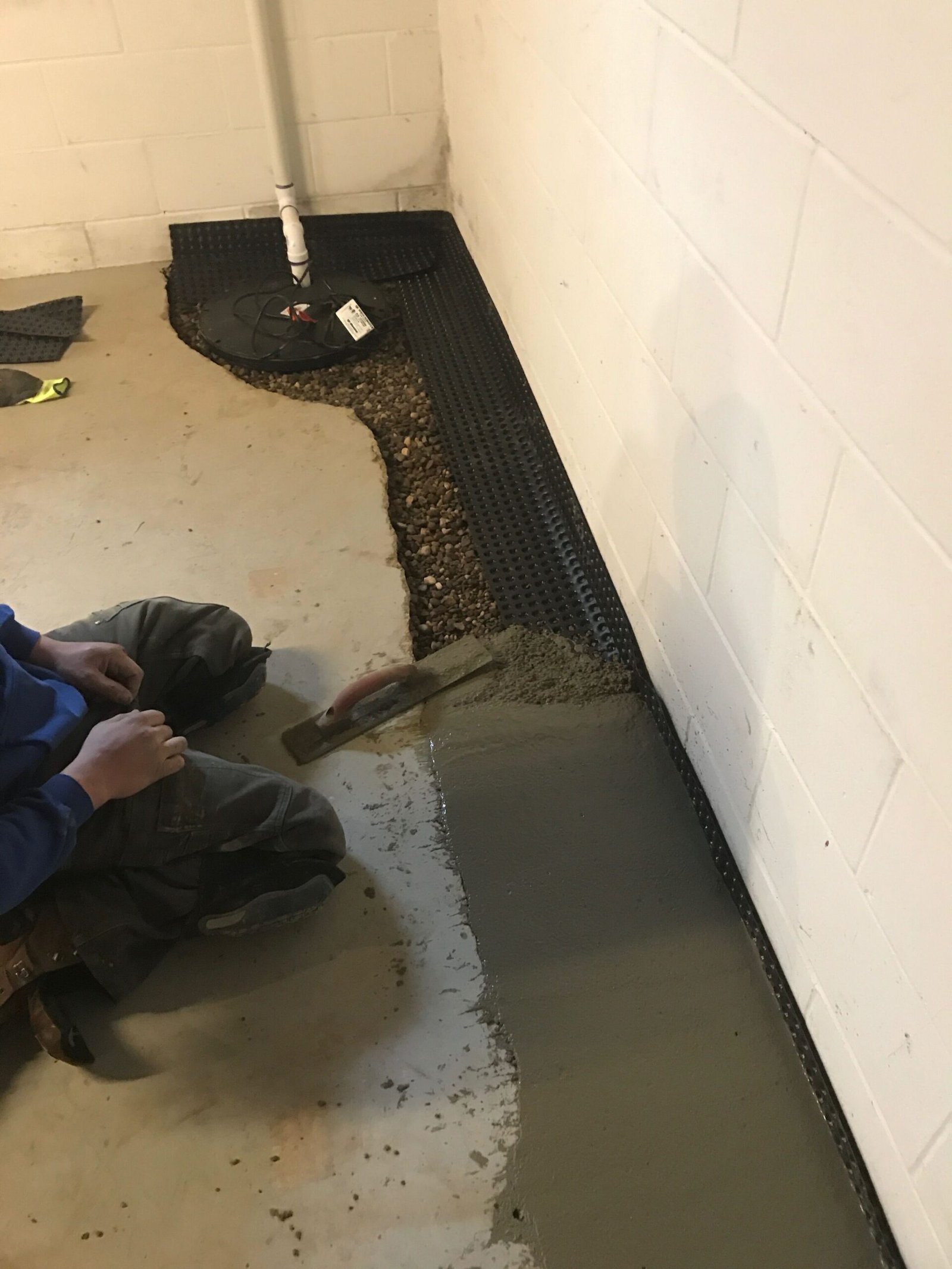
We understand Albany’s unpredictable weather. Our sump pump installation in Albany is designed for rapid response, helping you avoid costly water damage when storms or snowmelt strike.
Every property is different. We assess your basement’s size, layout, and risk factors to recommend the perfect sump pump solution for your needs. This guarantees maximum protection and efficiency.
We walk you through your options, explain the installation process, and provide upfront pricing. You’ll never face hidden fees or surprises, just clear communication from start to finish.
Our team uses proven products and meticulous installation methods. With our sump pump installation in Albany, you can count on reliable performance year after year.
We inspect your basement and identify water entry points. Our experts explain the risks and recommend the best sump pump system. You’ll get a clear plan tailored to your home.
We design a sump pump installation that fits your space and needs. We discuss product choices, layout, and costs. You’ll know exactly what will be done and when.
Our crew installs your new sump pump with precision and care. We test the system thoroughly to ensure flawless operation. After completion, we review everything with you.
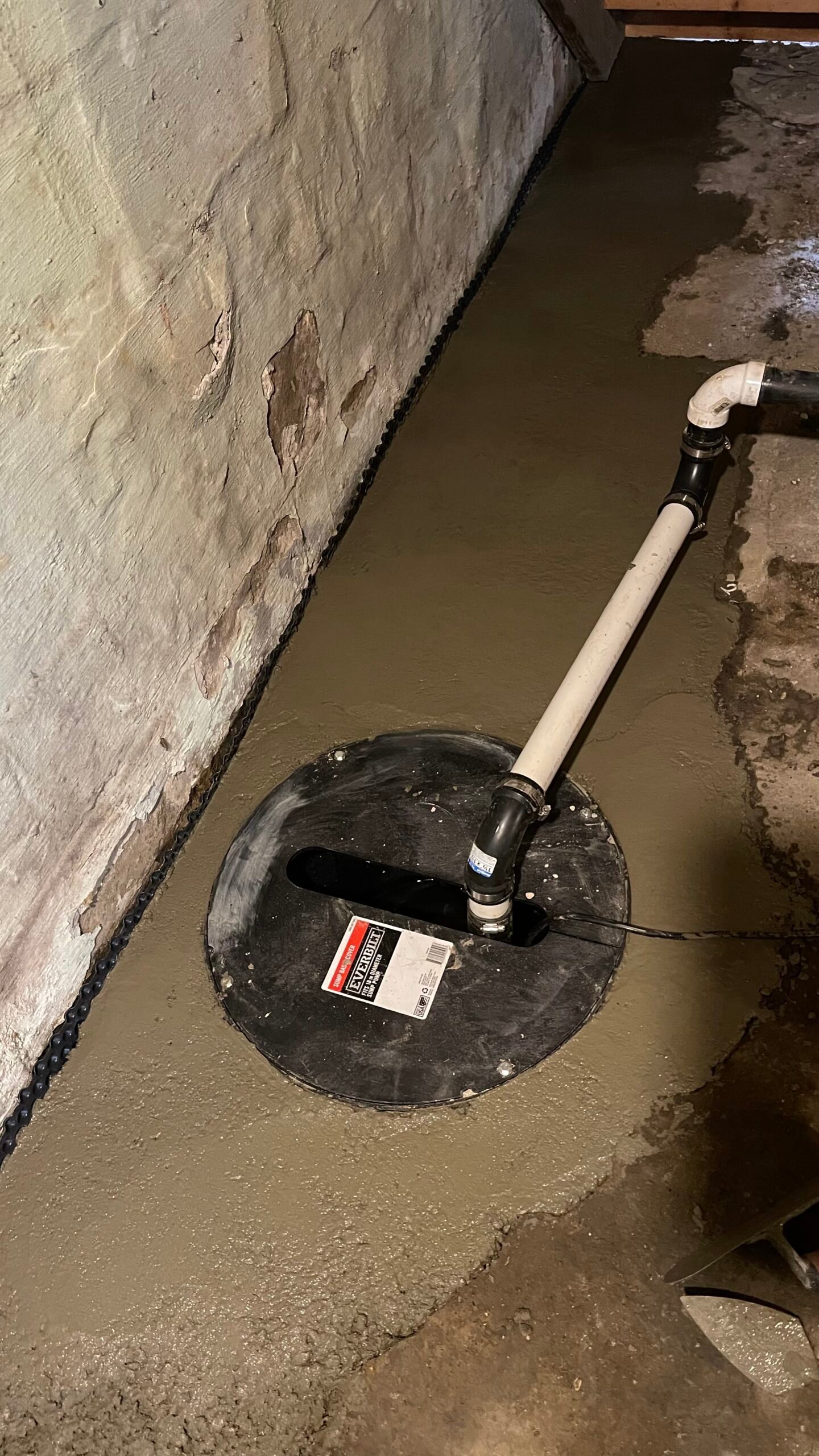
We know Albany's drainage challenges and basement risks inside out. Our sump pump installation strategies are customized for local soil, weather, and building codes.
Our technicians are trained, certified, and bring years of hands-on experience. We’re committed to getting every detail right, so your basement stays dry.
Sump pump installation is just the start. We also offer drainage upgrades, sealing, and moisture control for complete peace of mind.
We respect your time, budget, and property. Our team is friendly, efficient, and always ready to answer your questions throughout the project.
Albany’s heavy rains and rapid snowmelt can overwhelm basements quickly. A sump pump system prevents flooding and structural damage. It’s a smart investment for long-term protection.
Signs include a damp basement, pooling water, or previous flooding. If you notice musty smells or mold, it’s time to consider a sump pump. Early action can save you thousands in repairs.
Yes! We can integrate foundation waterproofing for added protection. This combined approach helps keep basements dry even during severe weather. Ask us for a custom plan for your property.
We install both submersible and pedestal sump pumps, choosing the best fit for your property. Our team explains the pros and cons of each option. We only use trusted brands for reliability.
Pricing depends on your basement size, chosen pump, and any extra drainage needs. We provide detailed, transparent quotes after evaluation. No hidden costs, just honest pricing.
Regular checks, cleaning the pit, and testing the pump are key. We offer maintenance tips and services to keep your system running smoothly. Preventative care extends your pump’s lifespan.
Definitely. When paired with exterior basement waterproofing, your system can block water before it enters. This dual solution is ideal for properties with heavy runoff or drainage problems.
Absolutely. We offer battery backup systems to keep your sump pump working during power outages. This ensures your basement stays protected no matter the weather.