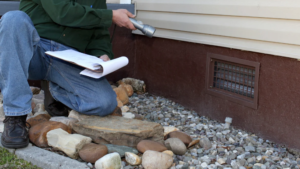
A foundation inspection is a focused evaluation of the foundation and the conditions that can affect it. Instead of looking at the entire house, the inspection focuses on foundation cracks, movement, water intrusion, drainage, and other signs of potential damage or shifting.
A home foundation inspection can be useful when you notice new cracks, water in the basement, uneven floors, or doors and windows that have started sticking. It can also help when buying or selling a home, especially if a general home inspection identifies a possible foundation issue.
What Does a Foundation Inspection Consist Of?
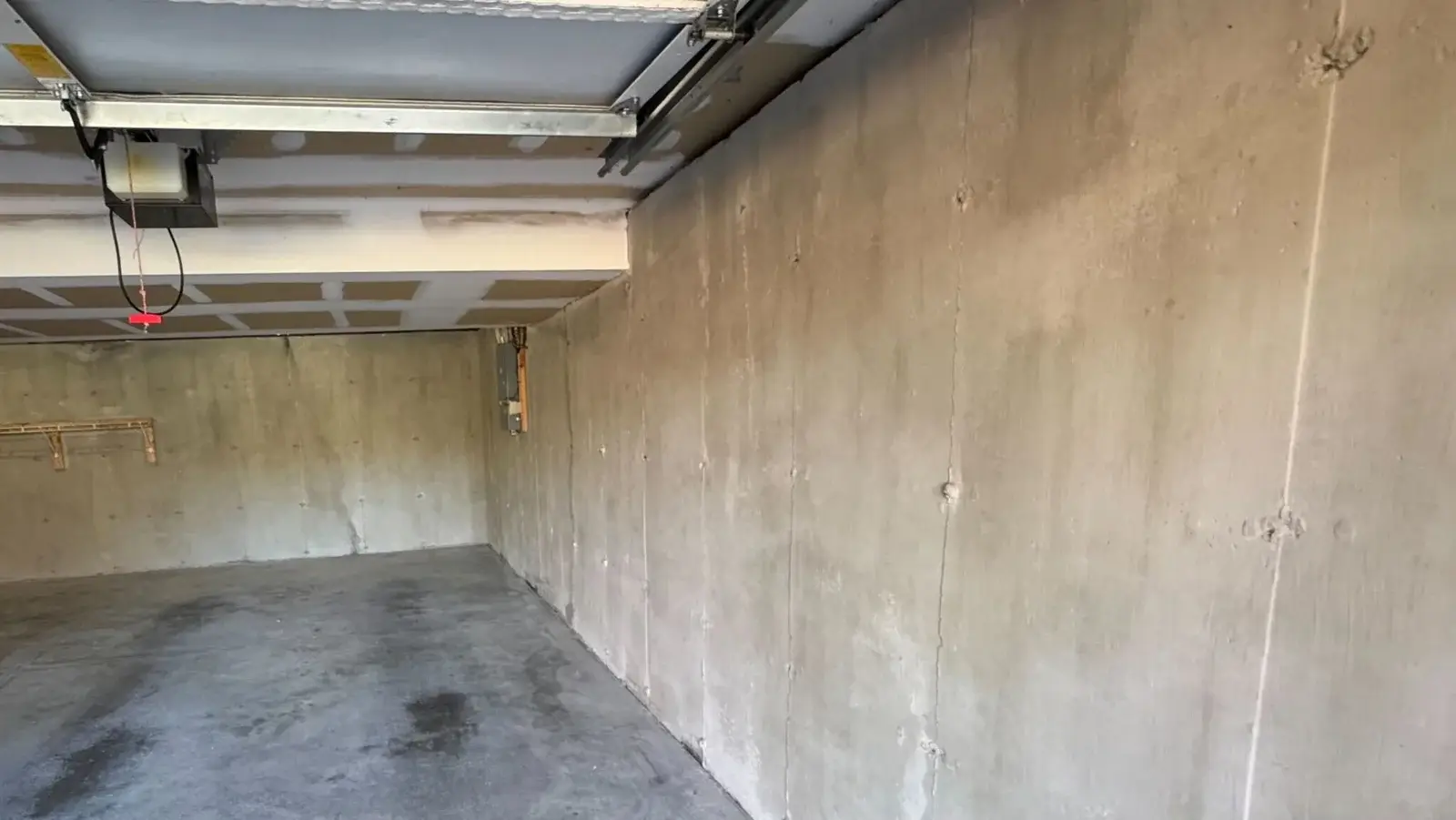
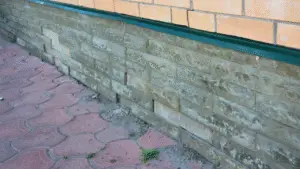
A foundation inspection looks at both the visible condition of the foundation and the surrounding factors that could contribute to problems. The inspector may examine exterior foundation walls, interior walls, floors, basements, crawl spaces, drainage, and other areas where signs of movement or water damage may appear.
The inspection is not limited to finding cracks. Their location, size, pattern, and surrounding conditions can provide useful information about what may be happening with the foundation.
Foundation Walls and Cracks
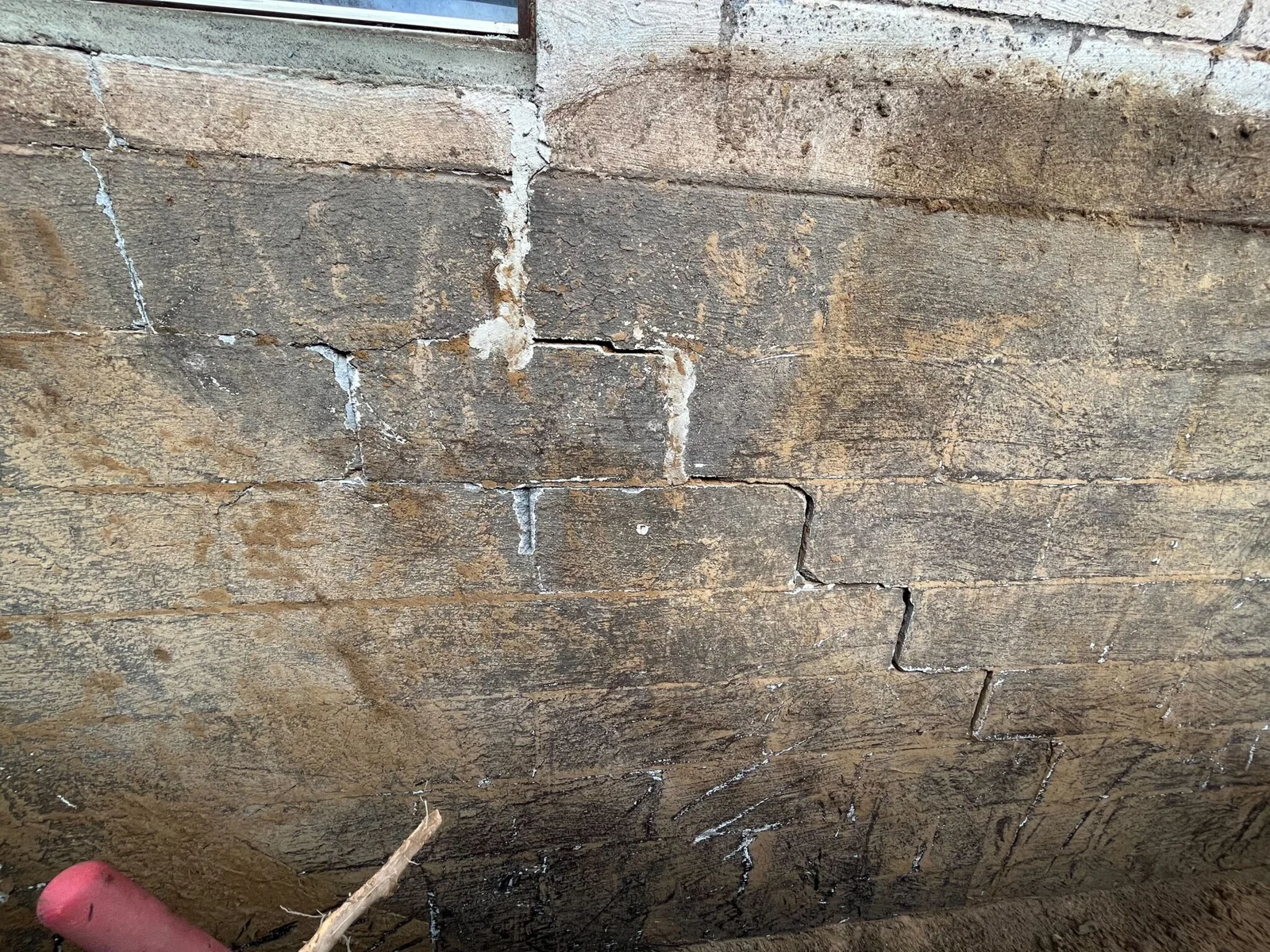
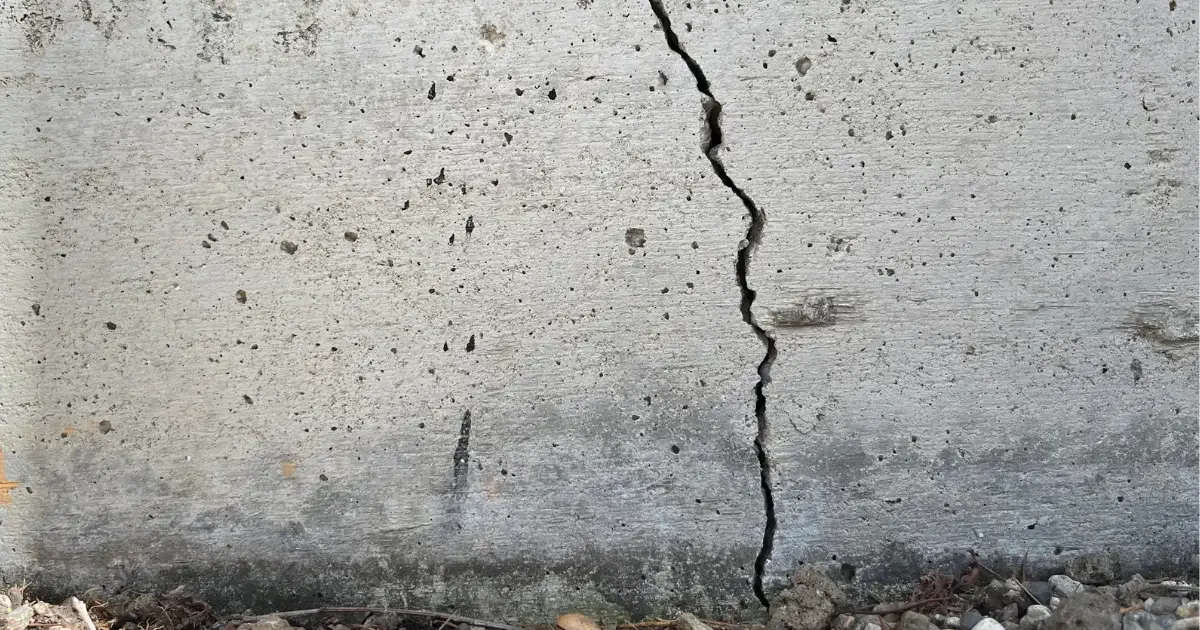
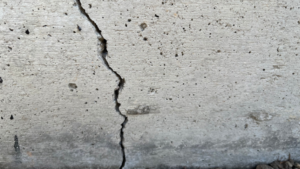
Foundation walls are a main area of inspection because cracks can indicate different types of problems. The inspection may assess the size and direction of cracks, their location, and whether other signs of movement are present.
A small vertical crack may have a different cause than a horizontal or stair-step crack. Water coming through a crack can also point to a separate drainage or waterproofing issue. Looking at the crack along with the condition of the surrounding foundation can help determine whether further evaluation or repair is needed.
Floors and Other Signs of Movement
An inspection can also include basement floors, slabs, and other surfaces that may show foundation changes. Uneven areas, gaps, or changes in elevation can sometimes occur when the soil beneath or around the foundation shifts.
These signs do not always mean the foundation itself is failing. Floors can become uneven for several reasons, so consider the surrounding conditions before determining the cause.
Doors, Windows, and Interior Areas
Changes inside the home can sometimes provide additional clues about foundation movement. Doors that suddenly stick, windows that become difficult to open, or gaps around trim and walls may appear when parts of a home shift.
An inspector may look at these areas along with visible foundation conditions. A single sticking door does not necessarily point to a foundation problem, but several changes occurring at the same time can justify a closer inspection.
Basement and Crawl Space Conditions
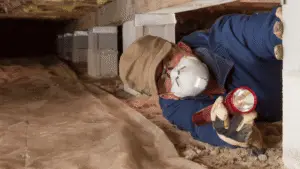
Basements and crawl spaces can reveal problems that are not visible from the outside. An inspection may look for water stains, damp areas, standing water, cracks, musty conditions, and other signs of moisture.
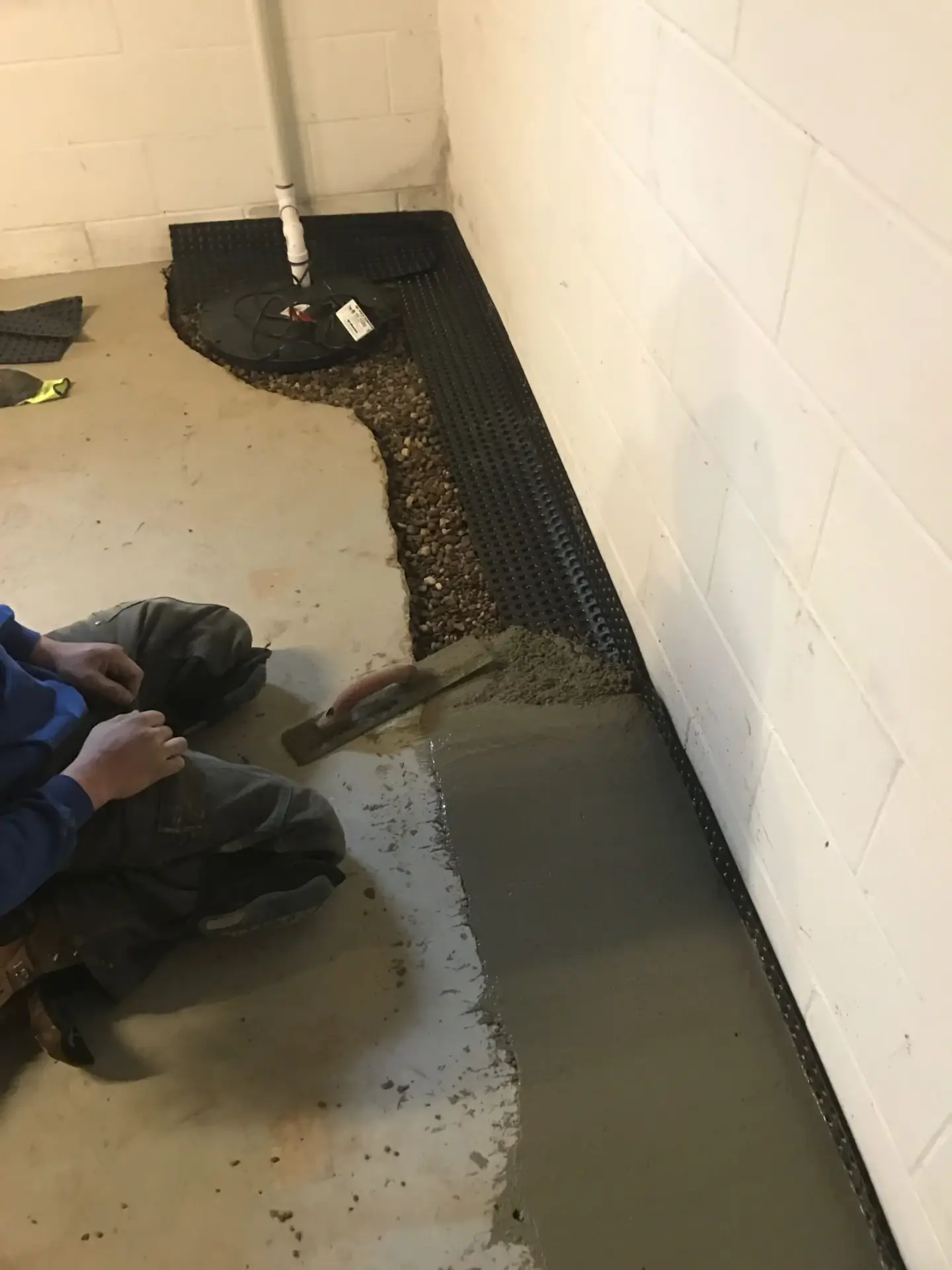
These spaces also provide a closer view of foundation walls and floors. If water is entering through the foundation, identifying where it comes from can help determine whether drainage, waterproofing, or foundation repair is needed.
What Does a Foundation Inspector Look For?
A foundation inspector looks for visible signs of movement, water intrusion, drainage problems, and changes that could affect the foundation’s stability or condition. The surrounding property matters too because soil and water conditions can contribute to foundation problems.
Findings from these areas can help determine whether a visible issue is isolated or connected to a larger problem.
Signs of Foundation Movement
Foundation movement can show up in several parts of a home. Cracks in foundation walls, uneven floors, gaps around windows or doors, and changes in walls or ceilings may all provide clues.
The location and pattern of these signs matter. An inspector may compare multiple areas to determine whether they appear connected and whether evidence suggests ongoing movement.
Water Intrusion
Water is another major part of a foundation inspection. The inspector may look for water stains, damp walls, leaks, efflorescence, standing water, or areas where moisture has entered through cracks or joints.
Finding water inside the basement does not automatically mean the foundation needs structural repair. Water may come from drainage, groundwater, grading, or another source. Identifying the source helps determine what work may be necessary.
Drainage Around the Foundation
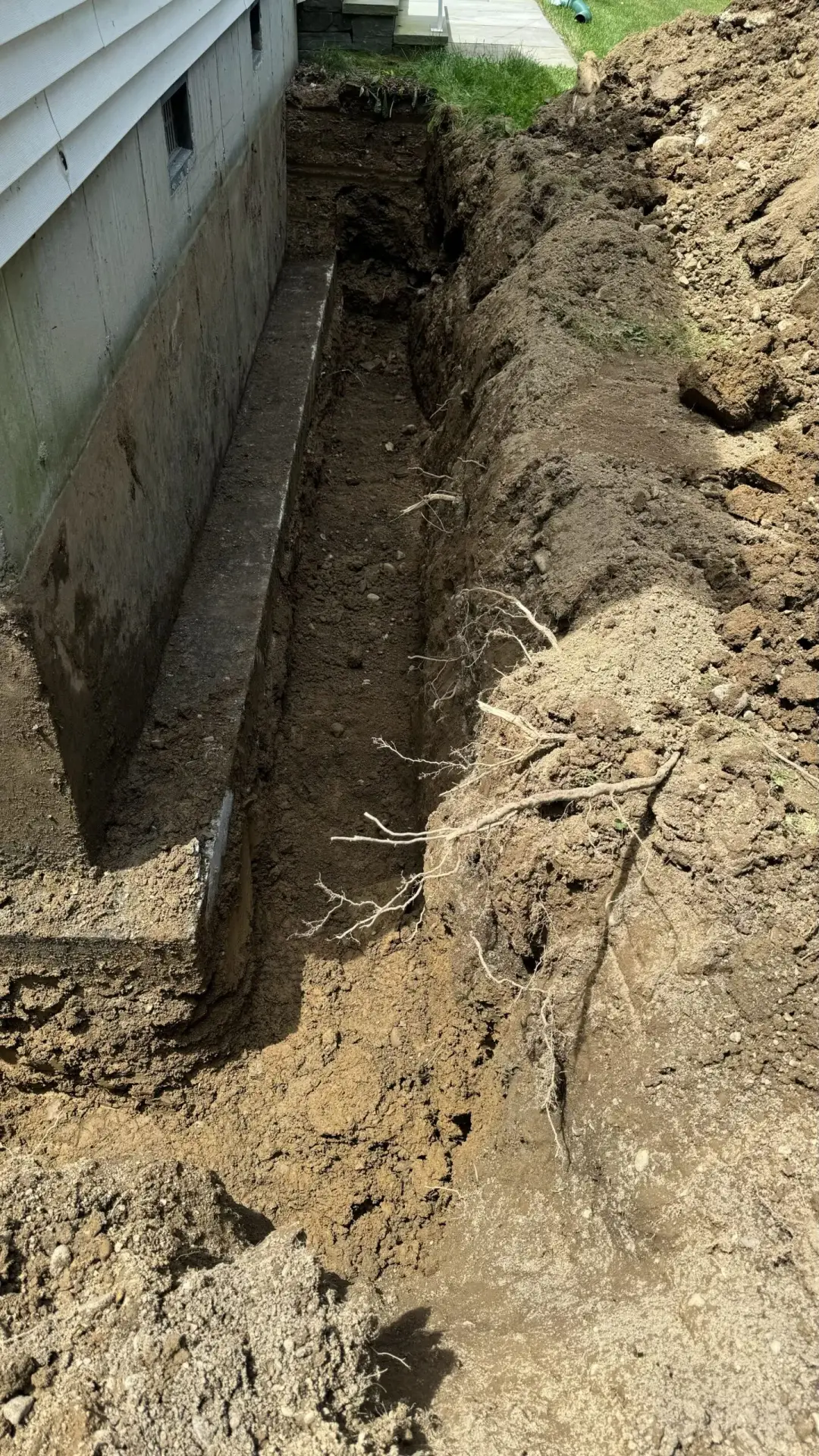
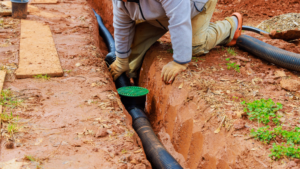
Water around the foundation can cause problems when it isn’t properly directed away from the house. An inspection may consider grading, downspouts, gutters, soil conditions, and other drainage features around the property.
If water consistently collects next to the foundation, the moisture can affect the soil and increase the amount of water reaching the foundation walls. Addressing drainage may help when these conditions contribute to a foundation problem.
Changes That May Indicate a Larger Problem
A foundation inspection also considers how different signs relate to each other. A crack by itself may not tell you much, but a crack combined with water intrusion, uneven floors, or other signs of movement may need closer attention.
Changes over time can also provide useful information. A growing crack or new problems in other areas may warrant further evaluation to determine what is causing the changes.
Why Would You Need a Home Foundation Inspection?
A foundation inspection can help when you see visible changes around the home or need more information about a potential foundation problem. It can also provide a closer look at an issue identified during a general home inspection.
The reason for the inspection can affect what needs to be examined, but the basic purpose remains the same: to understand the foundation’s condition and identify factors that may be contributing to the problem.
You Notice New or Growing Cracks
New cracks or cracks that appear to be changing are a common reason to have the foundation evaluated. Their size, location, direction, and surrounding conditions can help determine what may be causing them.
Not every foundation crack requires structural repair. An inspection can provide more context before you decide what to do.
Your Basement Has Water Problems
Recurring water in a basement can be connected to drainage, groundwater, foundation cracks, or other conditions around the home. If the same area keeps getting wet after rain or snowmelt, identify the source instead of simply cleaning up the water each time.
A foundation inspection can identify where water is entering and the outside conditions that may be contributing to the problem.
Floors Are Uneven, or Doors Are Sticking
Changes inside the home can sometimes occur alongside foundation movement. Uneven floors, sticking doors, windows that no longer open properly, or new gaps around walls and trim may justify a closer look when several signs appear together.
An inspection can help determine whether these changes relate to the foundation or to another part of the home.
You Are Buying or Selling a Home
Foundation conditions can become an important part of a real estate transaction when visible cracks, water problems, or other signs of structural movement appear. A general home inspection may identify an issue that needs a more focused evaluation.
A foundation inspection can provide more information about the foundation’s condition before a buyer or seller moves forward with a transaction.
What Is the Difference Between a Home Inspection and a Foundation Inspection?
A general home inspection and a foundation inspection serve different purposes. A home inspection looks at many parts of the property, while a foundation inspection focuses more closely on the foundation and conditions that can affect it.
Knowing the difference can help you understand why a general inspection may identify a potential problem without answering every question about the foundation.
What a General Home Inspection Covers
A general home inspection provides a broad review of the home’s major systems and visible components. Depending on the inspection, this can include the roof, plumbing, electrical system, HVAC, structure, foundation, interior, and exterior.
Because the inspection covers the entire property, the foundation is only one part of the overall evaluation.
What a Foundation Inspection Focuses On
A foundation inspection takes a closer look at foundation-related conditions. This may include cracks, movement, water intrusion, drainage, foundation walls, basement or crawl space conditions, and other signs that may indicate a foundation problem.
A more focused inspection can provide additional information when you have a specific foundation concern.
When You May Need Both
You may need both inspections when a general home inspection identifies a potential foundation problem that requires a closer evaluation. For example, a home inspector may notice foundation cracks, water intrusion, uneven floors, or other signs of movement but recommend a specialist for a more detailed assessment.
Both can also be useful when buying a home with visible foundation concerns. The general inspection covers the property as a whole, while a foundation inspection focuses specifically on the foundation and the conditions that may be affecting it.
If you already own the home, the same approach can apply when new cracks, recurring basement water, or other changes appear. A foundation inspection can focus on the specific issue without replacing the broader information provided by a general home inspection.
What Can a Foundation Inspection Find?
A foundation inspection can identify visible cracks, signs of movement, water intrusion, drainage problems, and other conditions affecting the foundation. It may also reveal connections between problems that initially appear unrelated.
For example, recurring basement water may be connected to poor drainage outside the home, while foundation cracks may be associated with settlement or other movement. The inspection helps put these observations into context.
An inspection can also help determine whether a visible problem requires repair, monitoring, further evaluation, or changes to drainage and water management.
Does a Foundation Inspection Find Every Problem?
A foundation inspection can provide useful information, but it cannot reveal every problem affecting a home. Some issues may be hidden behind finished walls, beneath floors, or in areas not accessible during a visual inspection.
The inspection also reflects the property’s condition at that time. Foundation movement and water problems can change as soil moisture, drainage, weather, and other conditions change.
If an inspection identifies something that needs further investigation, a more specialized evaluation may be recommended before making repair decisions.
What Happens After a Foundation Inspection?
The next step depends on what the inspection finds. Some conditions may only need monitoring, while others may require drainage improvements, waterproofing, crack repair, or structural foundation work.
Understanding the cause matters because different foundation issues require different solutions.
Identifying the Source of the Problem
Visible damage does not always explain why the problem developed. A crack could be related to settlement, water pressure, soil movement, or another condition affecting the foundation.
Looking at the foundation alongside drainage, soil, water, and other surrounding conditions can help you better understand the source.
Determining Whether Repairs Are Needed
Not every foundation issue requires immediate repair. The condition, severity, location, and progression of the problem matter when deciding what to do next.
If the inspection shows evidence of ongoing movement, water intrusion, or structural damage, repair may be recommended. Other conditions may be appropriate for monitoring or maintenance.
Choosing the Right Repair
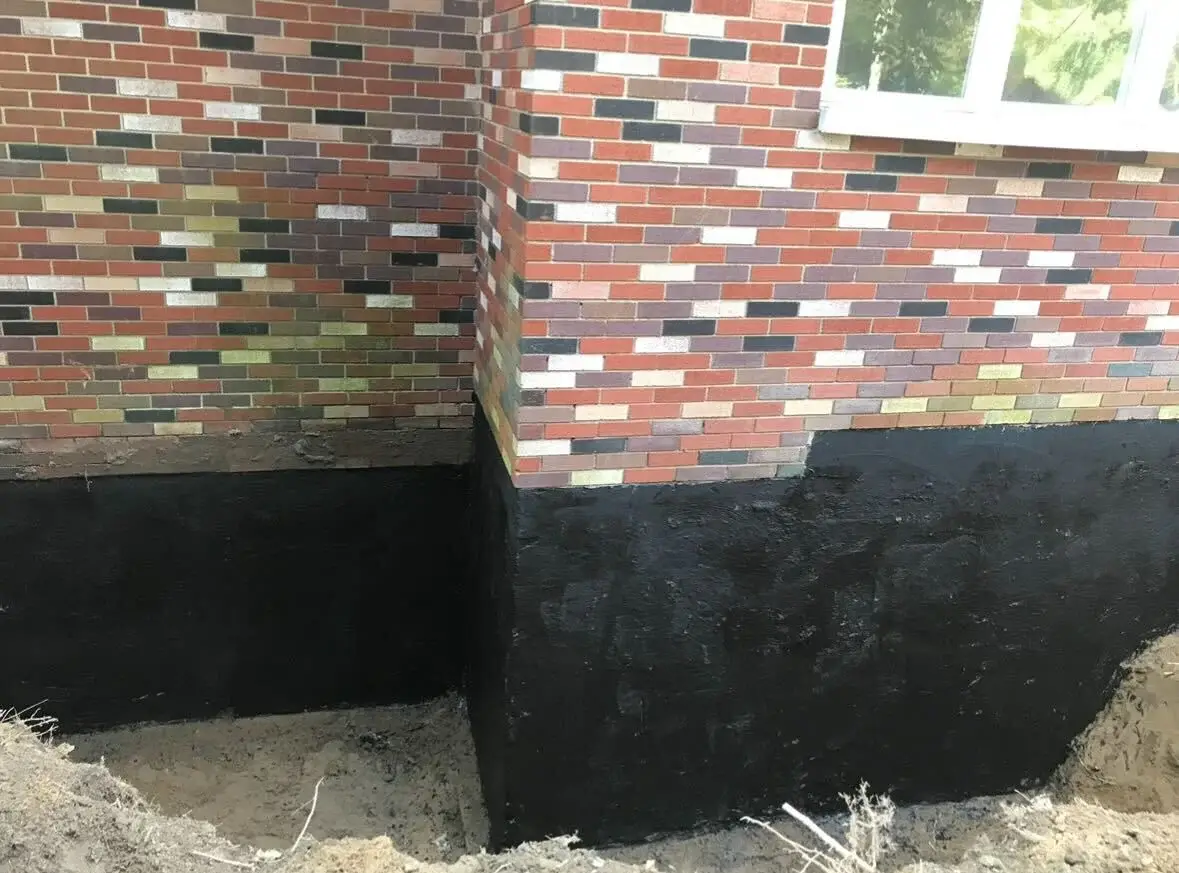
The appropriate repair depends on what is causing the foundation problem. A drainage issue may require a different solution than a leaking foundation crack or structural movement.
Once you understand the source and extent of the problem, you can choose a repair based on the home’s actual condition rather than the visible symptom alone.
Can You Inspect Your Foundation Yourself?
You can look for visible signs of foundation problems around your home, but a homeowner inspection has limitations. Walking around the exterior, checking accessible basement or crawl space areas, and looking for new cracks or water stains can help you notice changes.
The difficulty is determining what those signs mean. A crack, uneven floor, or water stain does not identify its own cause. A professional evaluation can provide a more accurate assessment when you notice changes or aren’t sure whether a problem is developing.
When Should You Schedule a Foundation Inspection?
Schedule a foundation inspection when you notice a new or changing problem, especially if you are seeing multiple signs at the same time. New or growing cracks, recurring basement water, uneven floors, sticking doors or windows, and gaps around walls or trim can all justify an inspection.
You may also want an inspection after major weather events if heavy rain, flooding, or prolonged wet conditions have affected the soil around your home. Changes in soil moisture can put additional pressure on the foundation or contribute to movement.
An inspection can also help before buying or selling a home when you notice visible foundation concerns. If a general home inspection identifies a possible foundation issue, scheduling a more focused inspection before moving forward can provide additional information.
You don’t have to wait until the damage is obvious. If you notice a change and cannot tell whether it is normal settling or something that needs attention, an inspection can help determine what is happening before the problem becomes harder to address.
Get a Professional Foundation Evaluation
Foundation problems can have different causes, and visible damage does not always show what is happening below the surface. Looking at the foundation, water conditions, drainage, and other signs together can provide a clearer picture of the problem.
Top Course Masonry can evaluate visible foundation problems and the conditions contributing to them. If you have noticed changes around your foundation or want a closer look at a potential problem, contact Top Course Masonry to schedule a foundation inspection.