Foundation cracks can happen for several reasons, and seeing one does not automatically mean your home has a major structural problem. Concrete can shrink as it cures, foundations can settle slightly, and changes in soil moisture can put stress on the structure.
The harder question is knowing how serious the crack actually is. The direction, location, size, and progression of a crack can provide useful clues, but so can water intrusion and other changes around the home. Looking at all of these factors together can help determine when a foundation crack needs closer attention.
Are Foundation Cracks Serious?
Not all foundation cracks are serious. Some are caused by normal concrete shrinkage or minor movement and may remain stable for years without creating a larger problem.
Other cracks can be connected to settlement, soil movement, hydrostatic pressure, or foundation movement. A crack that is getting larger, allowing water into the basement, or appearing alongside other changes in the home deserves more attention than a small crack that has remained unchanged.
A crack’s appearance alone does not tell you how serious the problem is. Looking at how the crack developed, whether it has changed over time, and whether other parts of the home show signs of movement can give you a clearer picture of what is happening.
How Can You Tell If a Crack in Your Foundation Is Serious?
A foundation crack is more concerning when it is changing or appears alongside other signs of movement or water intrusion. A crack that has stayed the same for a long time may be less concerning than one that keeps widening or extending.
Pay attention to the crack itself, but also look at the surrounding foundation and the rest of the home. Changes in floors, walls, doors, windows, or basement moisture can provide additional clues about the cause.
The Crack Is Getting Wider or Longer
A crack that continues to widen or extend may indicate that the foundation or surrounding soil is still moving. This is different from a crack that developed once and has remained stable.
Take photos from the same angle and check the crack periodically for changes. If you notice that it is spreading or becoming more pronounced, a foundation inspection can help determine what is causing the movement.
The Crack Runs Through the Foundation Wall
A crack that extends through a significant portion of a foundation wall deserves a closer look, particularly if it is accompanied by water, wall movement, or other cracks.
The type of foundation also matters. A crack in a poured concrete wall may have a different cause from cracking that follows the mortar joints in a block foundation. Looking at the crack’s location and pattern can help narrow down what’s happening.
The Crack Is Letting Water Into the Basement
Water coming through a foundation crack does not automatically mean the foundation is failing. It does mean that water is getting through the foundation, and there may be an issue with drainage, soil moisture, hydrostatic pressure, or the foundation itself.
Address recurring water because sealing the visible crack may not stop the water from reaching it. Also consider the surrounding drainage conditions when determining the right repair.
You See Cracks in Other Parts of the Home
One foundation crack differs from damage in several areas. Cracks around doors and windows, uneven floors, gaps around trim, or doors that suddenly stick can indicate that movement is affecting more than one part of the home.
These signs don’t prove the foundation is the cause, but seeing several changes at the same time is a good reason to have the situation evaluated rather than treating each crack separately.
What Are the Different Types of Foundation Cracks?
Foundation cracks can run vertically, horizontally, diagonally, or along the joints between masonry blocks. Cracks can also appear in basement floors, and their appearance can provide clues about the forces affecting the foundation.
The type of crack matters, but it is not enough to determine whether a foundation problem is serious. You need to consider the crack’s condition, what is happening around it, and whether the foundation is moving.
Vertical Foundation Cracks
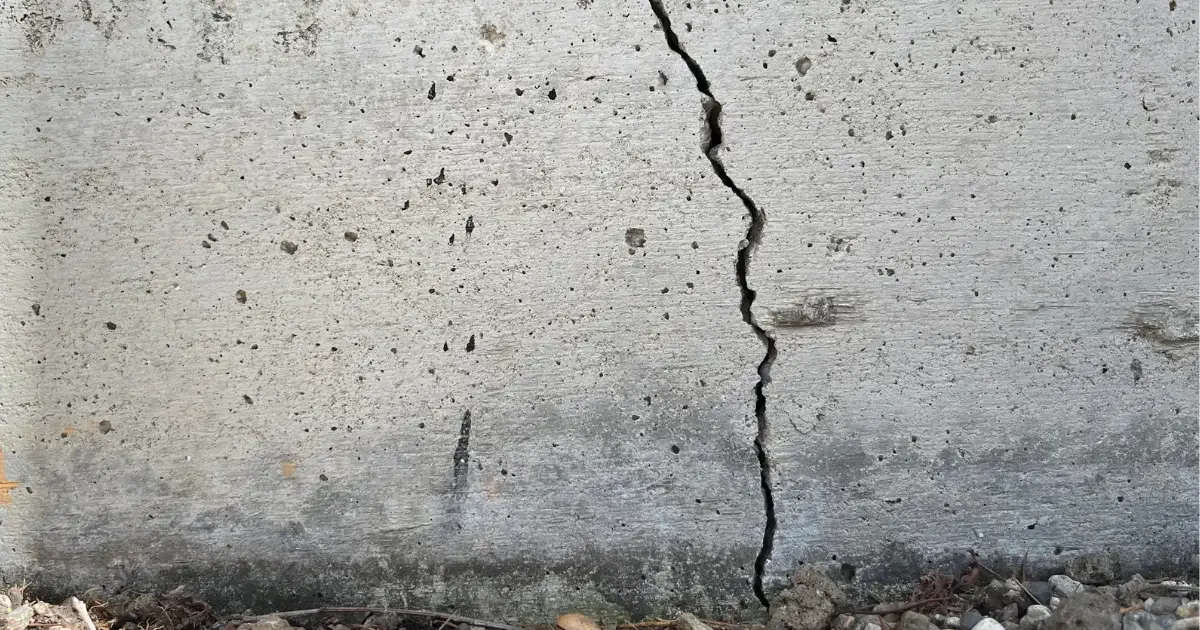
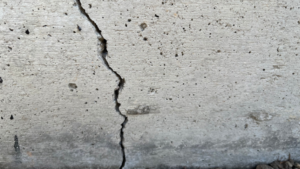
Vertical foundation cracks are common in poured concrete walls and can develop as the concrete shrinks during curing. Some remain narrow and stable without causing significant structural problems.
A vertical crack deserves more attention when it continues to widen, allows water into the basement, or appears with other signs of movement. Monitoring the crack can help identify changes, but an inspection may be needed to determine its actual cause.
Horizontal Foundation Cracks
Horizontal cracks can develop when soil outside the foundation pushes against the wall. Water-saturated soil can create additional pressure, especially after heavy rain or poor drainage.
These cracks deserve closer attention when they come with a bowing or leaning wall. Because pressure against the wall can affect its stability, it’s important to determine the cause before deciding how to repair the crack.
Diagonal Foundation Cracks
Diagonal cracks can develop when different parts of a foundation move at different rates. They may appear near the corners of doors and windows or extend diagonally across a foundation wall.
A diagonal crack does not automatically indicate serious structural damage. Its size, progression, location, and relationship to other signs of settlement or movement matter more when deciding whether it needs professional attention.
Stair-Step Cracks
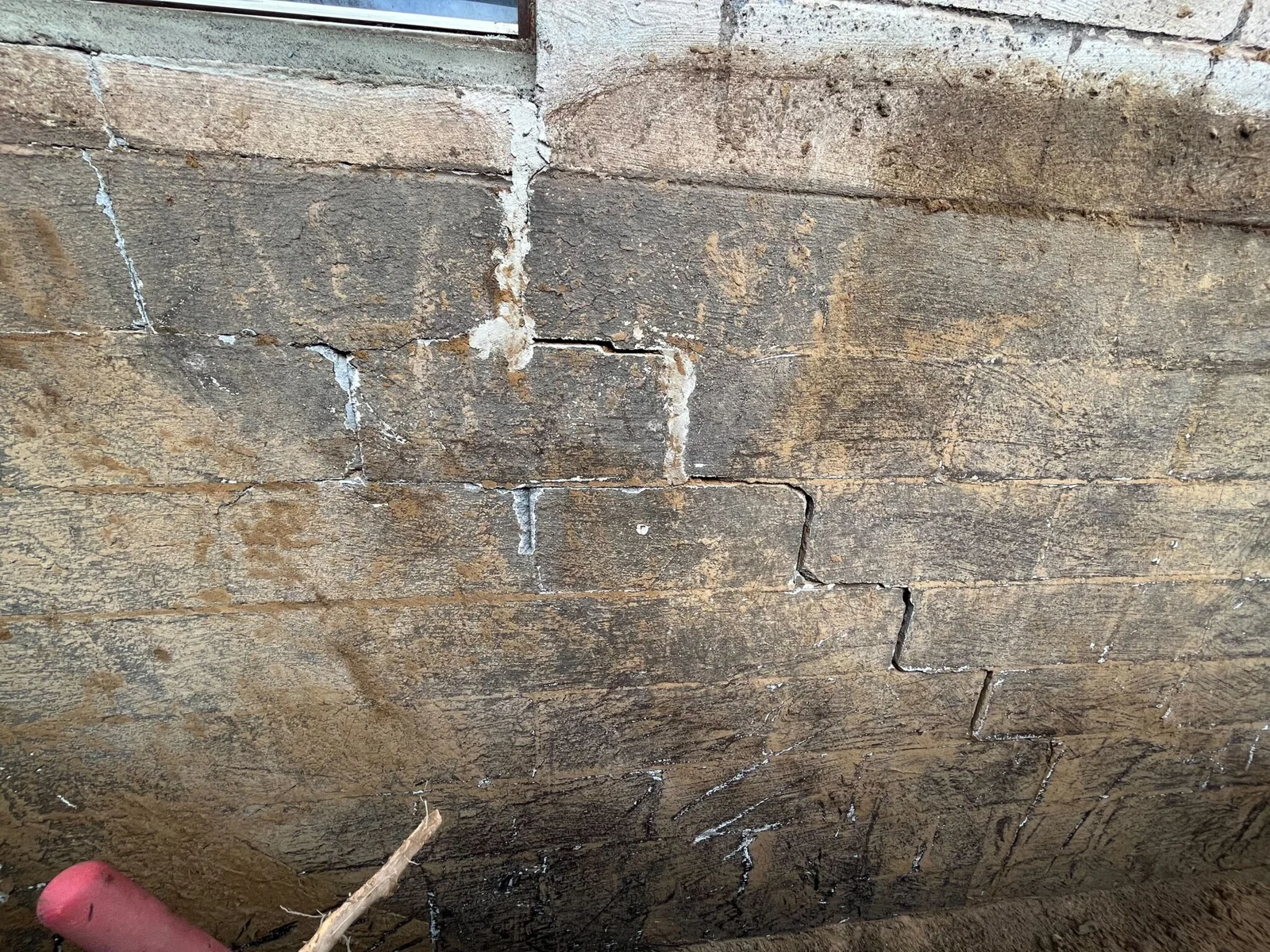
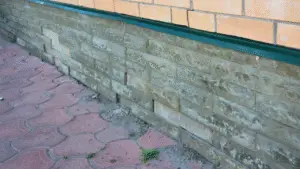
Stair-step cracks follow the mortar joints of brick or concrete block foundations, creating a staircase-like pattern. They can develop when different sections of the foundation settle or move at different rates.
A small, stable crack may not indicate a major problem, but a stair-step crack that is growing or accompanied by other signs of movement should be evaluated. The direction and location of the cracking can help identify which part of the foundation may be under stress.
Cracks in the Basement Floor
Cracks in a basement floor can have several causes. Concrete can shrink as it cures, but floor cracks can also result from soil movement, settlement, or pressure from groundwater beneath the slab.
Water coming through a floor crack is another reason to investigate. Knowing whether the crack is only in the concrete slab or connected to a larger drainage or foundation issue can help determine what to do.
Cracks With Signs of Foundation Movement
A crack becomes more concerning when it appears alongside evidence that the foundation is moving. Bowing walls, uneven floors, sticking doors, growing gaps, or multiple new cracks can indicate that the problem extends beyond one isolated opening.
In these situations, repairing the visible crack may not be enough. Evaluate the foundation and surrounding soil to determine what is causing the movement and whether additional repairs are needed.
Which Foundation Cracks Are Most Concerning?
No single type of foundation crack is automatically the most serious in every home. A crack’s direction can clue you into what’s happening, but its progression and the condition of the surrounding foundation matter just as much.
For example, a horizontal crack with a bowing wall can indicate pressure on the foundation, while a growing stair-step crack may indicate settlement. A vertical crack that remains stable may be less concerning, but one that continues to widen or allows water inside still needs attention.
The most concerning cracks are generally those that are changing, associated with foundation movement, or accompanied by other signs of damage. A foundation inspection can help determine whether the crack is an isolated issue or part of a larger foundation problem.
What Causes Serious Foundation Cracks?
A serious foundation crack usually has an underlying cause that you need to understand before choosing a repair. Soil conditions, water, settlement, and pressure against the foundation can all contribute to cracking.
Identifying the cause matters because repairing the visible crack without addressing the underlying conditions may not prevent the problem from returning.
Foundation Settlement
Foundation settlement occurs when the soil beneath a home changes or can no longer provide consistent support. If one part of the foundation settles more than another, the resulting movement can create cracks in the foundation and other parts of the home.
Settlement can result from poorly compacted soil, changes in soil moisture, erosion, or other ground conditions. Looking for related signs such as uneven floors or cracks around doors and windows can help determine whether settlement may be involved.
Hydrostatic Pressure
Hydrostatic pressure develops when water builds up in the soil around a foundation. Saturated soil becomes heavier and can push against foundation walls, especially when drainage is poor.
This pressure can contribute to horizontal cracking, bowing, and water intrusion. Improving drainage and addressing the source of the water may be necessary along with repairing the affected foundation.
Poor Drainage Around the Foundation
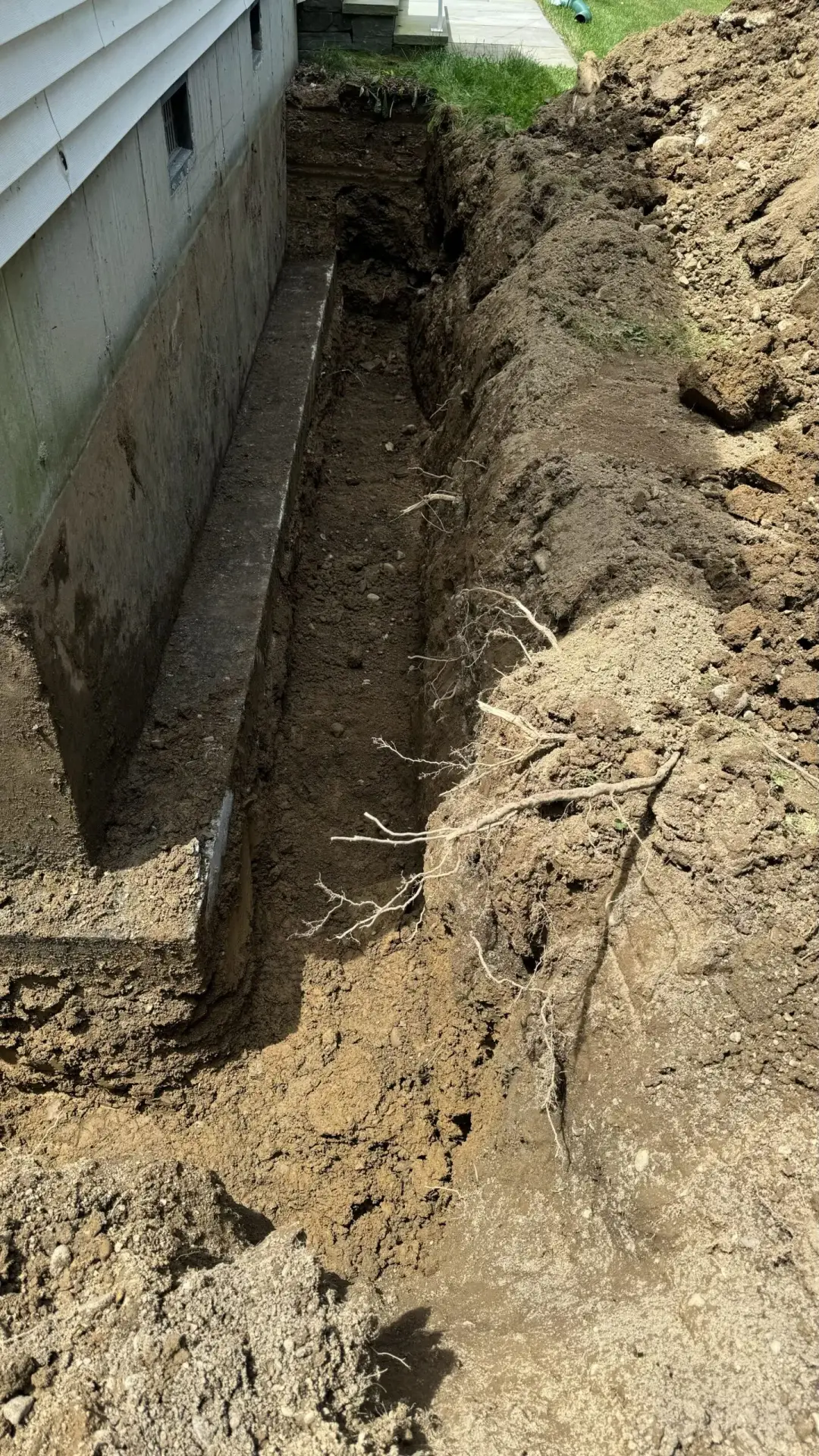
Water that repeatedly collects near a foundation can affect the surrounding soil and increase the amount of moisture reaching the foundation walls. Clogged gutters, short downspouts, poor grading, and areas where water pools can all contribute.
Keeping water away from the foundation can reduce some of these problems. However, if a crack is already letting water in, the foundation itself may also need evaluation.
Soil Movement and Changing Conditions
Soil can change as its moisture content changes. Depending on the soil type around the home, heavy rain, dry weather, or drainage changes can cause the soil to expand, contract, shift, or lose stability.
These changes can place uneven pressure on the foundation and contribute to settlement or cracking. Understanding the soil and moisture conditions around the home can help explain why a crack developed.
How Serious Are Foundation Cracks That Leak Water?
A foundation crack that leaks water isn’t automatically a sign of serious structural damage, but you shouldn’t ignore it. The seriousness depends on why the crack formed, whether it is changing, and whether other signs of foundation movement are present.
A crack that only allows water into the basement may be primarily a waterproofing or drainage issue. However, a leaking crack combined with horizontal movement, widening, displacement of the foundation wall, uneven floors, or other cracks can point to a more significant foundation problem.
Water can enter through cracks when soil outside the foundation becomes saturated, and pressure pushes moisture through the opening. Poor grading, drainage problems, and hydrostatic pressure can worsen the leak. If the water keeps returning, repairing the crack alone may not address the underlying cause.
The leak itself also matters. Occasional moisture after heavy rain differs from a crack that regularly lets water into the basement. Recurring water can lead to damp conditions, staining, mold growth, and material damage, even when the crack isn’t structurally serious.
Evaluate a leaking foundation crack based on both the crack and the conditions around the foundation. If the crack is changing, allowing significant water inside, or appearing alongside other signs of movement, a professional foundation inspection can help determine whether the issue is primarily water-related or requires structural repair.
Can You Repair a Foundation Crack Yourself?
Homeowners can seal some small, stable cracks, especially when there are no signs of movement or water intrusion. Basic maintenance around the home, such as keeping gutters clear and directing downspouts away from the foundation, can also help reduce water-related problems.
The bigger concern is knowing whether the crack is simply cosmetic or connected to a larger foundation issue. Filling a crack without understanding why it formed can leave settlement, movement, or drainage problems unresolved.
If the crack is growing, leaking, or accompanied by other foundation symptoms, have it evaluated before repairing it. The appropriate repair depends on what caused the crack and whether the foundation itself has moved.
When Should You Have a Foundation Crack Inspected?
You do not have to wait for a crack to become large before having it evaluated. Changes in the crack or other problems around the home may indicate it’s time to take a closer look.
The Crack Is Changing
A crack that widens, lengthens, or becomes more noticeable over time may indicate continued movement. Tracking its appearance can help you spot changes that are hard to notice day to day.
If the crack continues to change, an inspection can help determine whether the movement is coming from the foundation, surrounding soil, or another source.
Water Is Coming Through the Crack
Water entering through a foundation crack means an opening is allowing moisture into the basement. This can happen when groundwater or rainwater builds up outside the foundation and finds a path through the wall.
An inspection can help determine whether the crack itself needs repair, whether exterior drainage is contributing to the leak, or whether both problems need to be addressed.
You Notice Other Signs of Foundation Movement
Cracks are more concerning when they appear with other changes in the home. Uneven floors, sticking doors or windows, bowing walls, gaps around trim, and new cracks in different areas can all provide additional information.
When several of these symptoms appear together, looking at only one crack may not give you an accurate picture of what is happening. A foundation evaluation can help connect the different signs.
You Are Unsure What Caused the Crack
It can be difficult to determine the cause of a foundation crack just by looking at it. Similar-looking cracks can develop for different reasons, and the right repair depends on understanding what is behind the damage.
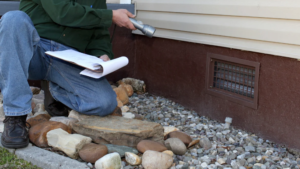
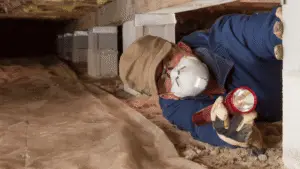
A foundation inspection can look at the crack, surrounding foundation, drainage, soil conditions, and other visible signs to help determine what may be causing the problem.
How Is a Serious Foundation Crack Repaired?
No single repair method works for every foundation crack. The right approach depends on the foundation type, crack location, cause of the damage, water presence, and whether the foundation is moving.
Foundation Crack Repair
Foundation crack repair can help address cracks that allow water into the basement or have weakened the surrounding area. The right method depends on the crack’s location, size, and condition.
For cracks that are primarily allowing water through, repair may focus on sealing the opening and preventing further moisture from entering. If the crack is connected to foundation movement or settlement, you may need additional work to address the structural issue rather than treating the crack alone.
A proper repair should address the condition that caused the damage, not just cover the visible opening.
Waterproofing and Drainage
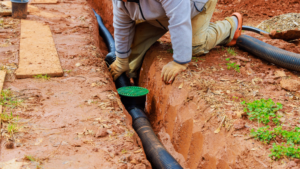
When water is contributing to a foundation crack, the solution may involve more than repairing the opening itself. Poor grading, saturated soil, or inadequate drainage can continue directing water toward the foundation.
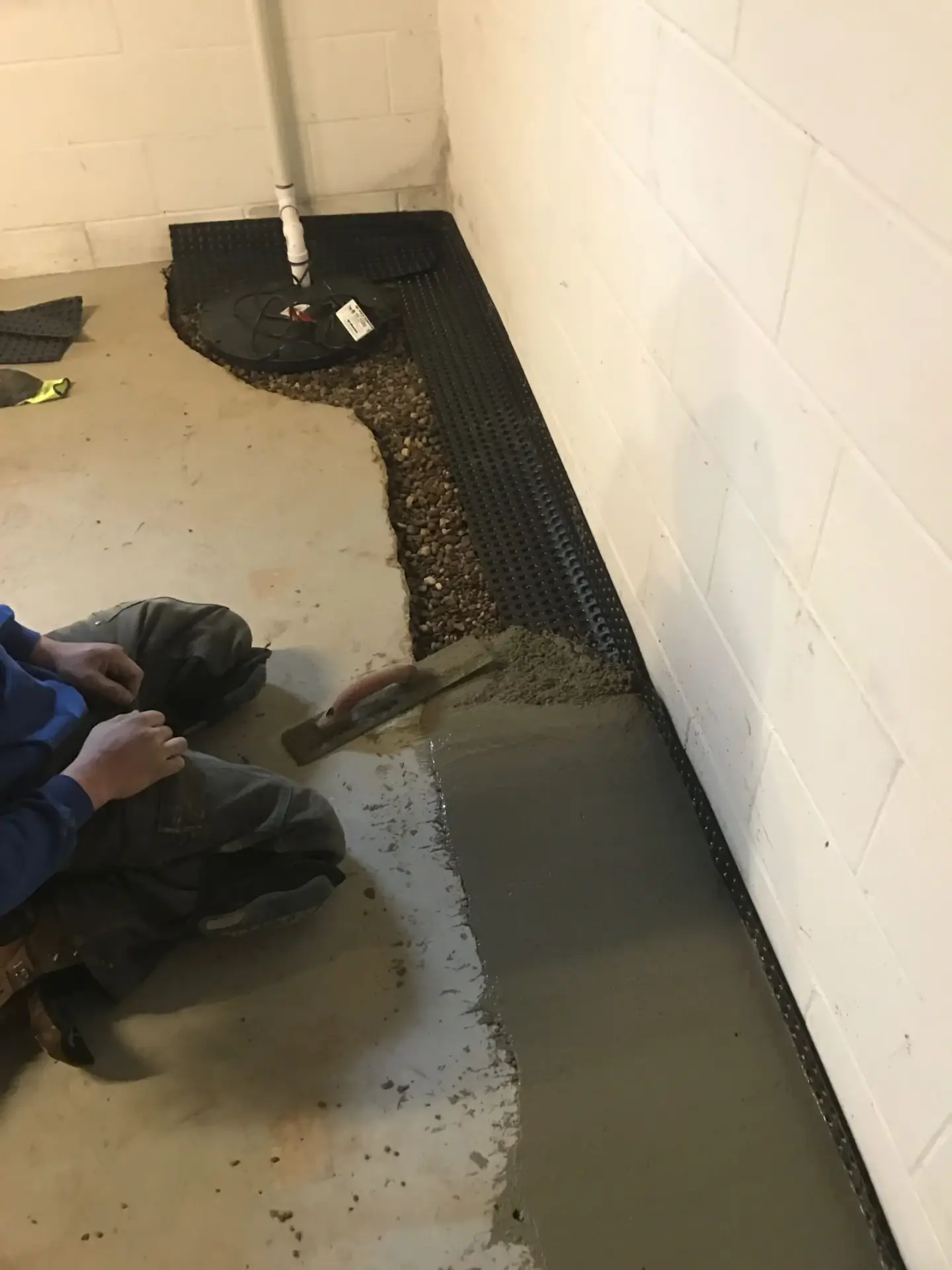
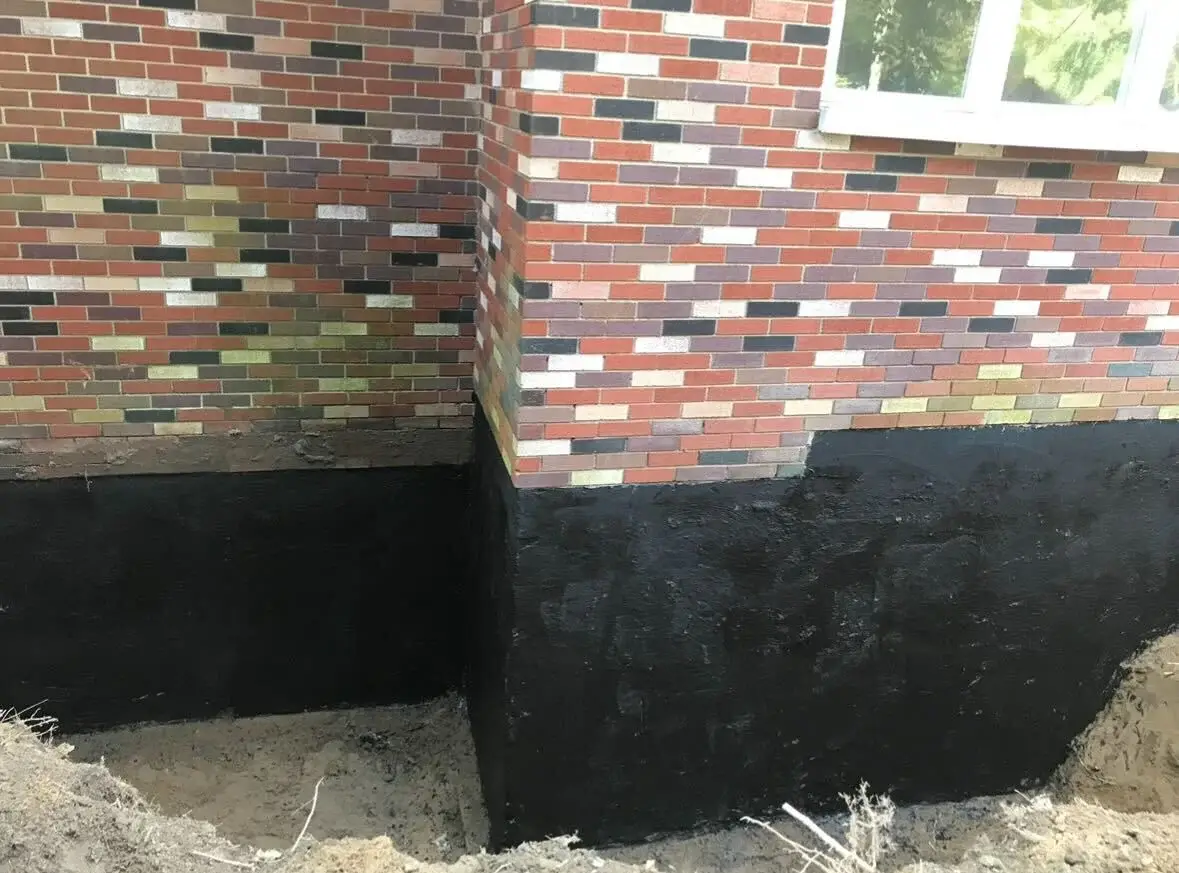
Waterproofing and drainage work can help control the conditions that allow water to reach the foundation. The right approach depends on whether water is coming through the wall, floor, joints, or elsewhere.
Structural Foundation Repair
Cracks associated with significant settlement, bowing, leaning, or other movement may require more extensive foundation repair. In these situations, the goal is to address the condition affecting the foundation, not simply cover the visible crack.
The appropriate repair depends on the extent and cause of the movement. A professional evaluation can help determine what type of structural repair, if any, is needed.
Get Your Foundation Crack Checked
A foundation crack does not automatically mean your home has a serious structural problem. What matters is how the crack is changing, what caused it, and whether you are seeing other signs of movement or water intrusion.
Top Course Masonry can evaluate foundation cracks and the conditions around your home to help identify the cause. If you’re concerned about a foundation crack, contact Top Course Masonry to schedule an inspection and find out what your foundation needs.