Basement waterproofing is not necessary for every home, but recurring moisture is a good reason to take a closer look. Water stains, damp walls, musty odors, efflorescence, and leaks after heavy rain can all point to a basement water problem that needs attention.
Seeing water in your basement does not automatically mean you need a waterproofing system. The important question is why the water is getting in. A leaking foundation crack, poor drainage, or groundwater buildup can each require a different approach, so the first step is figuring out what is happening around your foundation.
How Do You Know If Your Basement Needs Waterproofing?
The most obvious signs your basement needs waterproofing are recurring leaks and moisture, but water does not always enter as a visible stream. A damp foundation wall, white mineral deposits, or a musty smell can indicate that moisture is seeping into the space.
Pay attention to when the problem occurs and where you see it. Water that appears after rain, collects along the floor, or keeps returning to the same wall can help point to the source.
Water After Rain or Snowmelt
Water that appears in the basement after heavy rain or snowmelt often indicates the foundation is dealing with more moisture than it can manage. Saturated soil can put additional pressure against the foundation and push water through cracks, joints, or other openings.
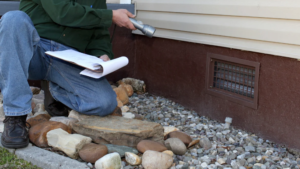
Start by looking at how water moves around your home. Clogged gutters, short downspouts, poor grading, and low spots near the foundation can all send water toward the house instead of away from it.
Damp Walls or Water Stains
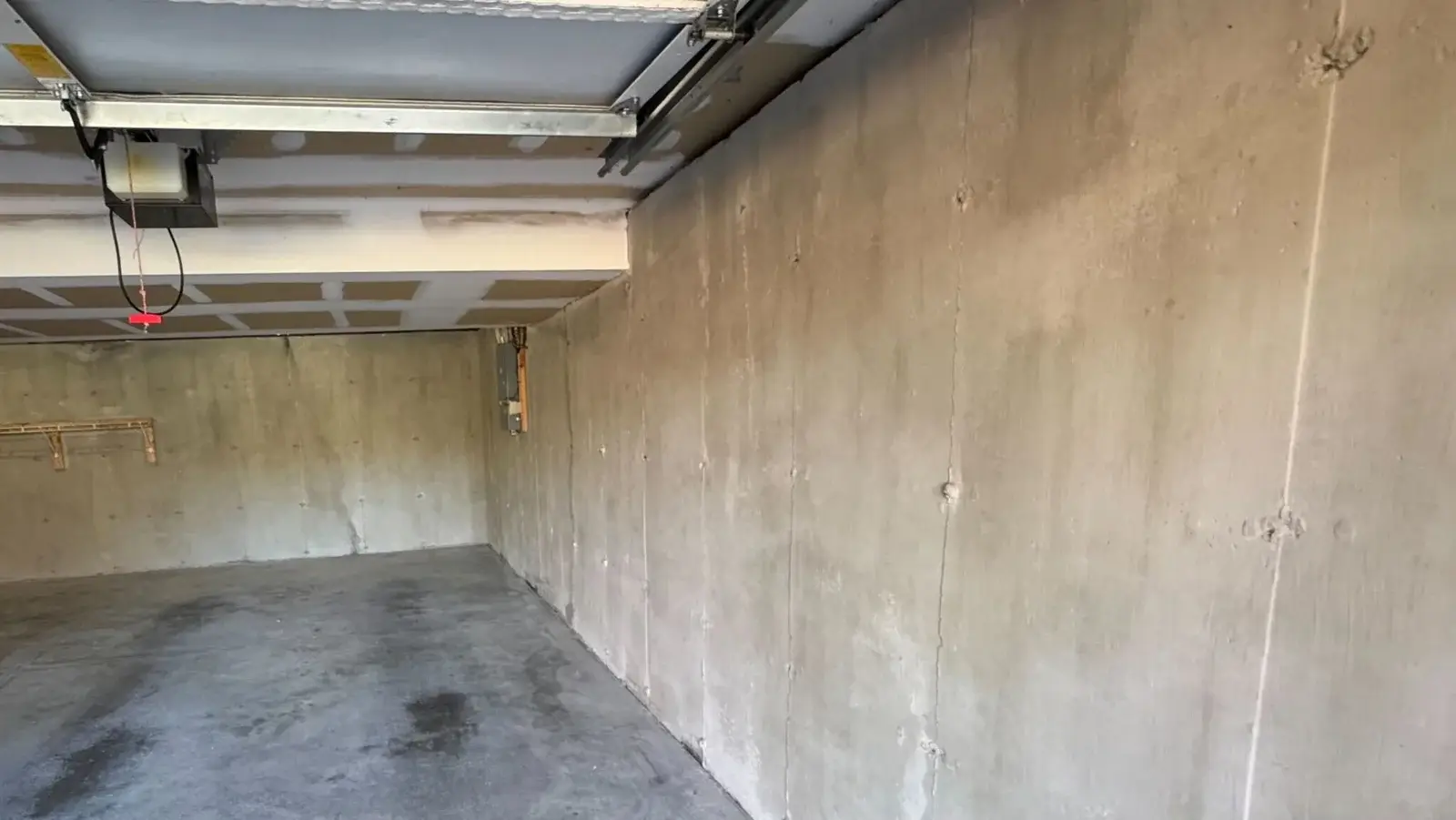
Damp walls, dark patches, peeling finishes, and old water stains can all be signs of moisture entering the basement. Even if the wall is dry when you inspect it, previous staining can show that water has entered during wet weather.
Check whether the same areas become damp after rain. If they do, cleaning or repainting the wall will not address the reason the moisture keeps coming back.
Efflorescence on Foundation Walls
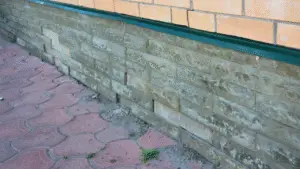
Efflorescence is a white, powdery substance that forms when water moves through masonry or concrete and leaves mineral deposits behind. It is not necessarily a sign that your foundation is failing, but it does show that moisture has traveled through the material.
If efflorescence repeatedly appears in the same areas, look for the source of the moisture. Stopping the water is more effective than repeatedly cleaning the deposits.
Musty Odors and Excess Humidity
A basement that consistently smells musty or feels damp may have a moisture problem even without standing water. High humidity can also contribute to condensation and create conditions where mold and mildew can develop.
A dehumidifier can help control humidity, but it should not be used to cover up an active leak. If moisture is entering through the foundation, the source needs to be addressed.
Cracks That Let Water Inside
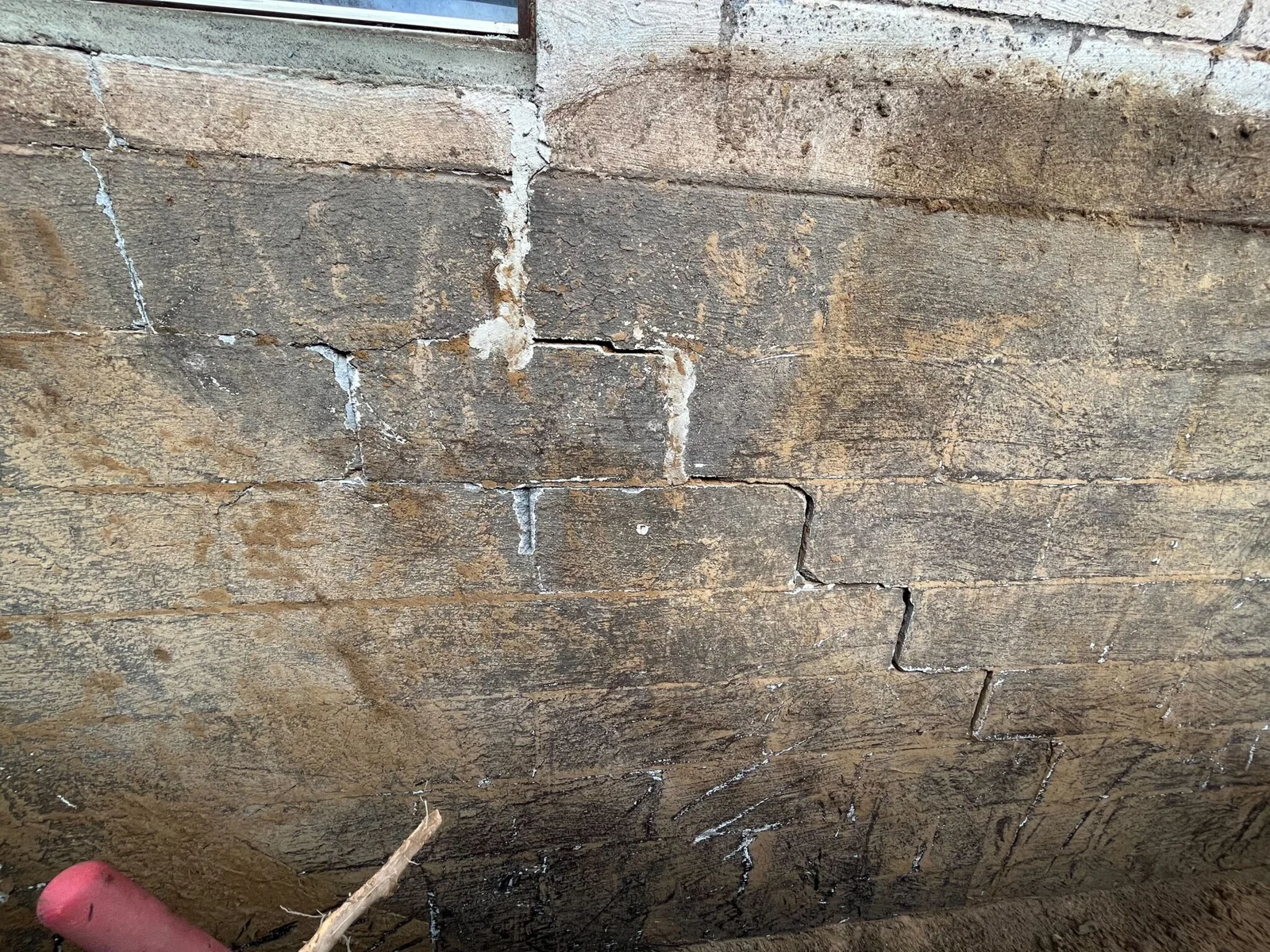
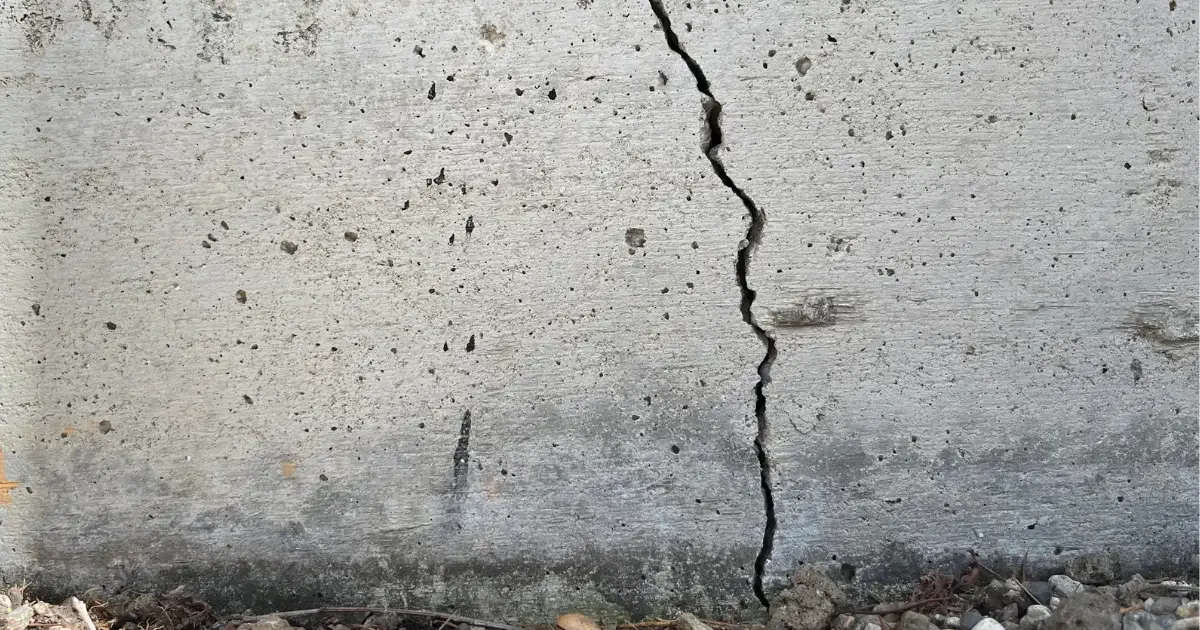
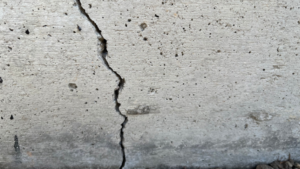
Foundation cracks can create a path for water to enter the basement. Not every crack leaks, but one that becomes wet after rain deserves attention.
The location, size, and condition of the crack can help determine what type of repair is appropriate. Sealing the crack may stop water at that point, but drainage problems around the foundation may also need to be corrected.
Do All Basements Need Waterproofing?
No, not all basements need waterproofing. A basement that stays dry and has good drainage may not need a dedicated waterproofing system.
Waterproofing becomes more important when moisture keeps recurring or when the foundation is exposed to conditions that increase the risk of water intrusion. Rather than waterproofing every basement as a precaution, it makes more sense to look at the home’s drainage, foundation, soil, and history of water problems.
What Causes Basement Water Problems?
Basement water problems usually start outside the basement. Rainwater, groundwater, and saturated soil can put pressure on the foundation or create conditions that allow moisture to enter.
Several issues can contribute to the same leak, so fixing only the spot where water appears may not solve the problem.
Hydrostatic Pressure Against the Foundation
Hydrostatic pressure occurs when water builds up in the soil around the foundation and pushes against the walls and floor. Heavy or prolonged rain can increase the amount of water surrounding the foundation.
As pressure increases, water can move through cracks, joints, and other weak points. Reducing the amount of water sitting against the foundation can help relieve that pressure.
Poor Drainage Around the Home
Rainwater needs a clear path away from the foundation. If the ground slopes toward the house or water collects near the foundation, that moisture can eventually create problems inside the basement.
Watch the property during or shortly after a heavy storm. Areas where water pools near the foundation may need better grading or drainage.
Foundation Cracks and Weak Points
Foundation cracks, construction joints, and openings around pipes or other penetrations can give water a way inside. Some openings may remain dry for years until changing soil conditions or heavy rainfall create enough pressure for water to pass through.
Repairing the opening can help stop the leak, but it is still worth checking why water is reaching that part of the foundation in the first place.
Groundwater and Saturated Soil
Groundwater becomes a concern when the soil around the foundation remains saturated. During periods of heavy rain or snowmelt, the amount of water in the ground can increase quickly.
If groundwater repeatedly reaches the foundation, surface drainage improvements may not be enough. A combination of waterproofing and drainage methods may be needed to manage the water.
Do I Need a Basement Waterproofing System?
You may need a basement waterproofing system if your home has recurring water intrusion that cannot be resolved by basic drainage improvements. Repeated leaks, groundwater, and moisture along foundation walls are all reasons to have the problem evaluated.
A waterproofing system can include several components rather than one single product. The right combination depends on how water reaches the foundation and where it enters the basement.
What Do I Need to Waterproof My Basement?
There is no single basement waterproofing method that works for every home. The best approach depends on the water source, the condition of the foundation, and the drainage around the property.
Exterior Foundation Waterproofing
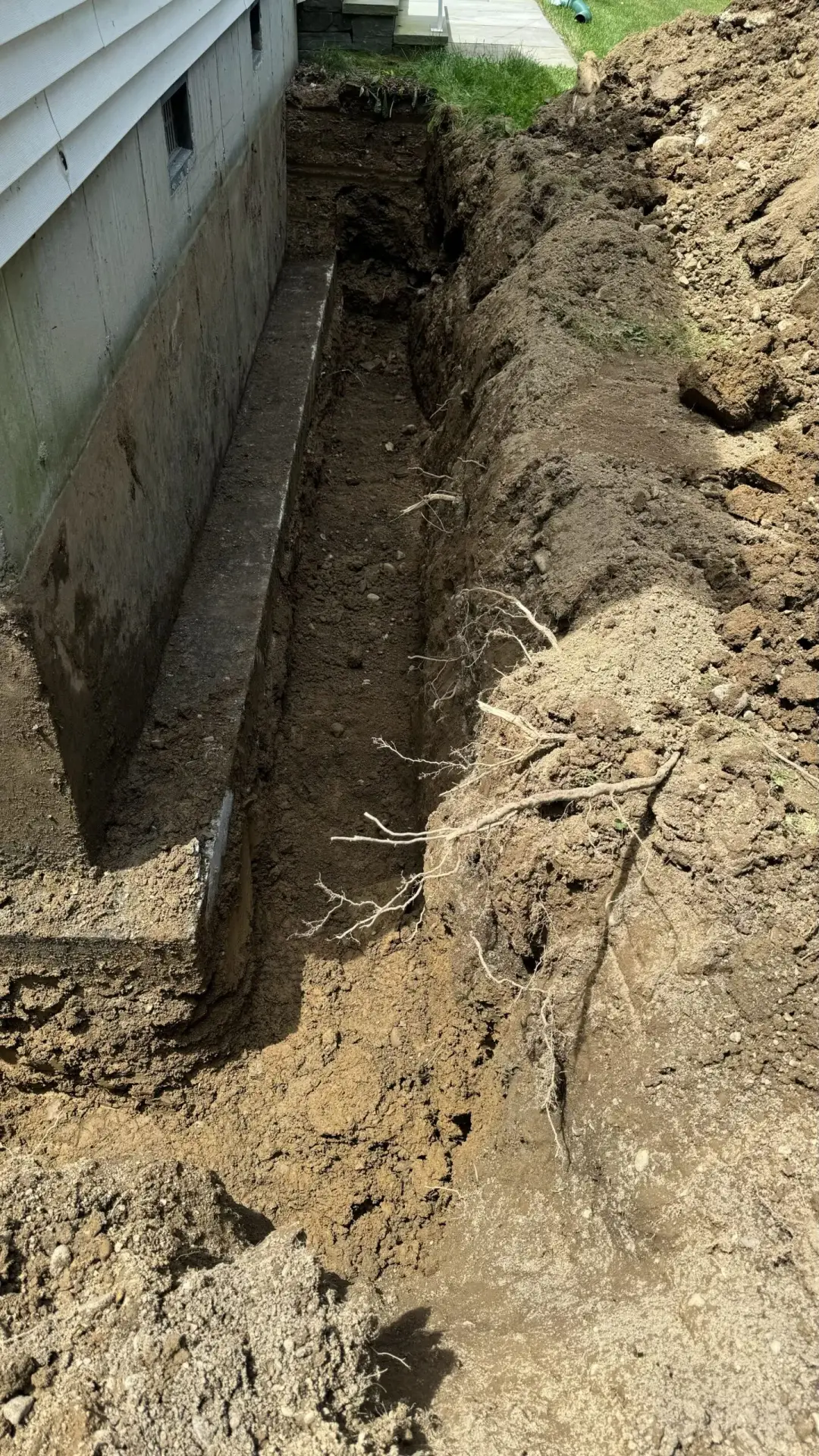
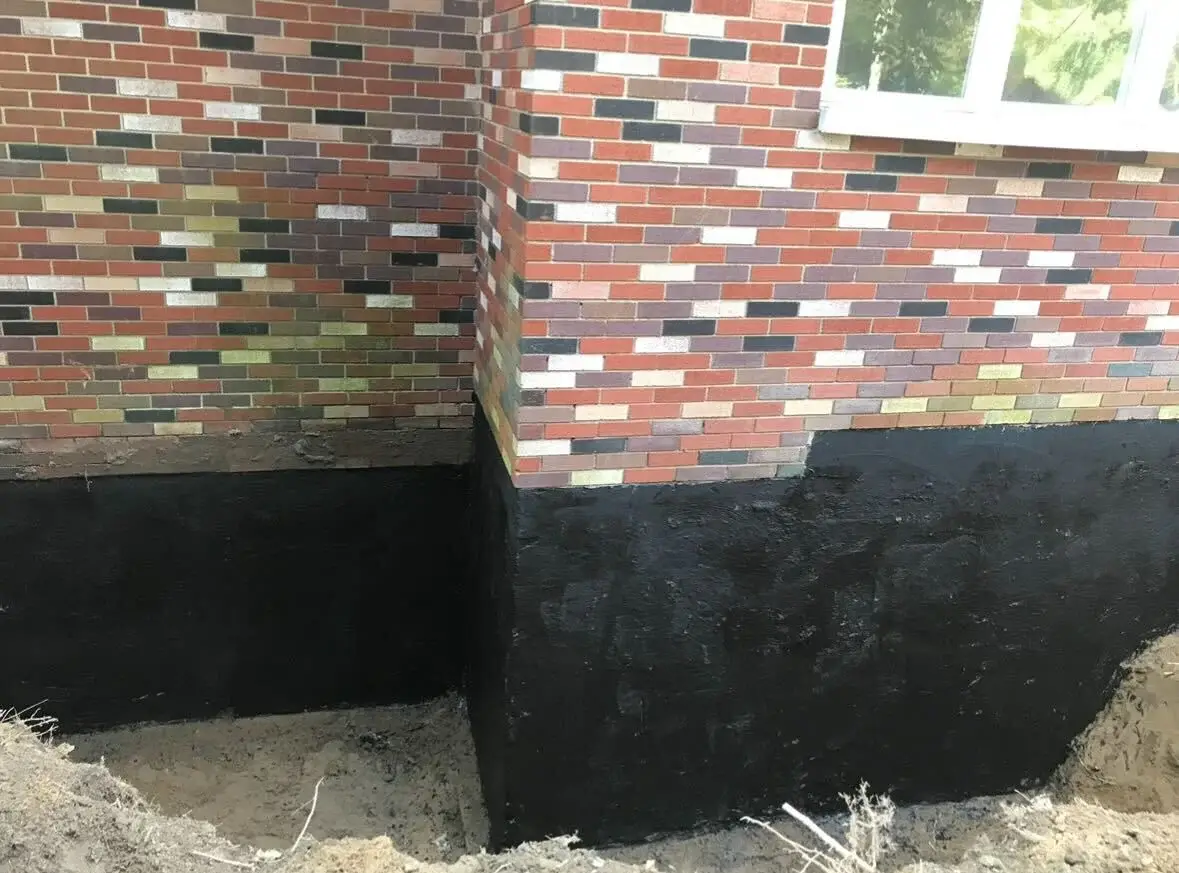
Exterior foundation waterproofing helps protect the foundation from water before it reaches the interior. Depending on the condition of the foundation, the work may include exposing the foundation wall, addressing problem areas, and applying waterproofing materials.
This approach can be useful when groundwater and soil pressure are contributing to recurring moisture. It treats the foundation from the exterior rather than only managing water after it has entered the basement.
Foundation Crack Repair
Foundation crack repair addresses openings that allow water to pass through the foundation. The appropriate repair depends on the type and location of the crack and whether it is actively leaking.
Repairing a crack can stop water from entering through that opening. If the surrounding soil is saturated or drainage is poor, however, crack repair may need to be combined with other work.
Basement Drainage Solutions
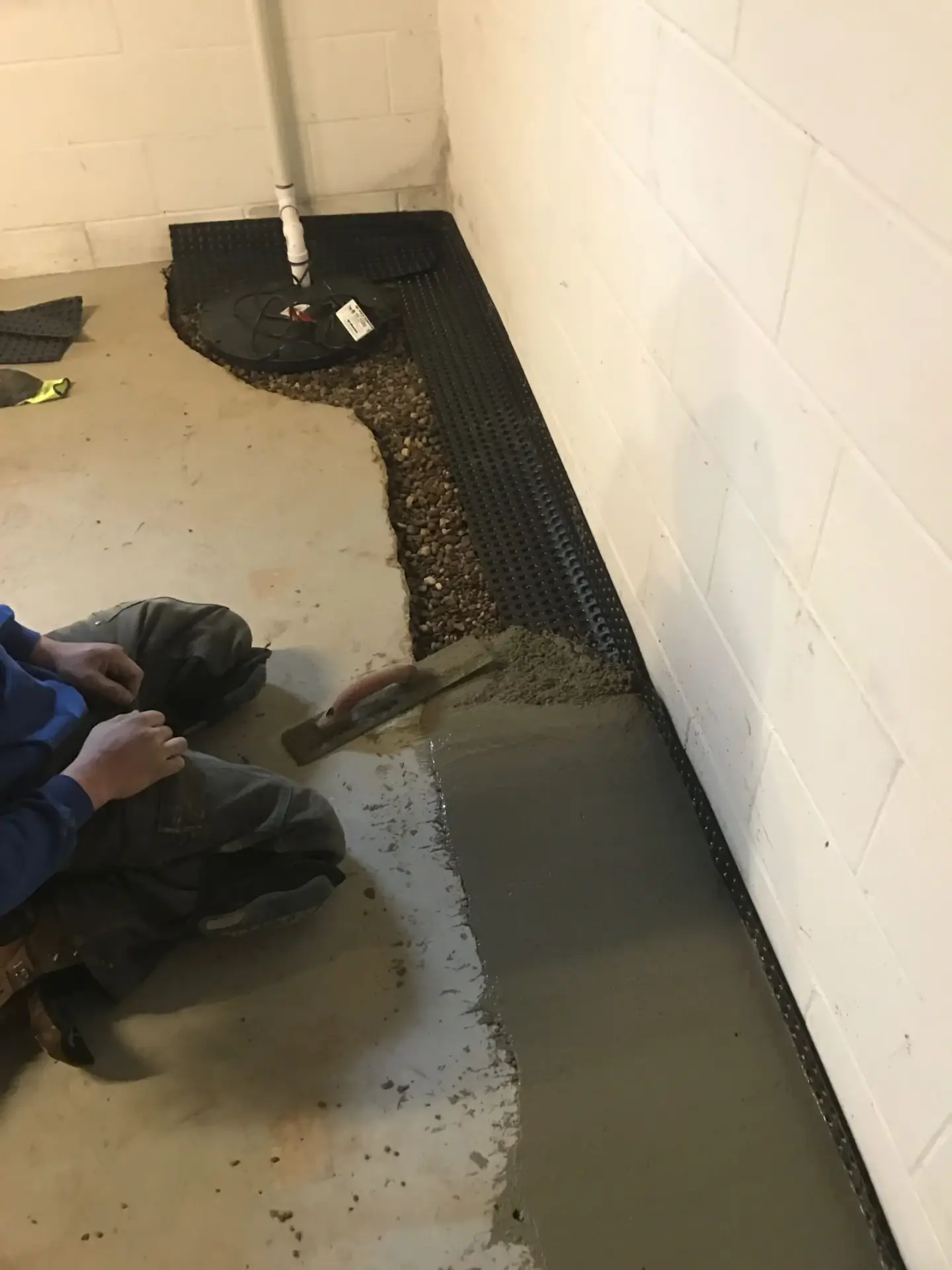
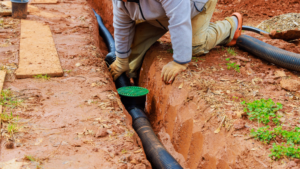
Basement drainage systems are designed to collect and redirect water away from areas where it could enter the home. The solution can vary depending on the home’s construction and the source of the water.
A drainage system works best when it is designed around the actual water problem. Installing drainage without addressing the conditions causing the water can leave the same issue unresolved.
Sump Pump Installation
A sump pump removes collected groundwater and pumps it away from the foundation. It can be an important part of a waterproofing system for homes that deal with groundwater or recurring basement flooding.
The pump needs a reliable way to receive water and discharge it away from the home. If the system cannot keep up with the amount of water entering the basement, additional drainage measures may be necessary.
Can You Waterproof a Basement Yourself?
Some moisture-control work can be handled by homeowners. Cleaning gutters, extending downspouts, and correcting simple drainage problems are reasonable places to start.
More serious basement waterproofing is harder to diagnose and repair without knowing where the water originates. Waterproofing paint or sealing one visible spot may hide the symptom while water continues to build up outside the foundation.
If the basement keeps getting wet, identifying the source should come before choosing a waterproofing method.
Should You Waterproof Before Finishing Your Basement?
If your basement has known moisture or water problems, address them before you finish the space. Adding drywall, flooring, insulation, and other finished materials can make future water damage much more expensive to repair.
Check for leaks, damp areas, foundation cracks, and drainage problems before covering the foundation. Starting with a dry basement gives you a better chance of protecting the finished space later.
When Is Basement Waterproofing Worth It?
Basement waterproofing is worth considering when water problems are recurring, difficult to control, or beginning to affect how you use the space. The same leak returning after every major storm is a stronger reason for waterproofing than a one-time moisture issue caused by an isolated event.
It can also make sense to address water problems before finishing a basement or storing valuable belongings in it. The longer moisture remains in contact with the foundation or interior, the more opportunities there are for damage to finishes and personal property.
If you are asking why you should waterproof your basement, start with the condition of your own home. A dry basement with good drainage may not need extensive work, whereas a basement with recurring water intrusion warrants a closer look.
Protect Your Basement From Water Damage
You do not have to wait for a major basement leak to address a water problem. Small signs such as efflorescence, damp walls, or water stains can indicate that moisture is reaching the foundation before the situation becomes more serious.
Top Course Masonry can inspect your foundation and help identify what is contributing to your basement water problems. From foundation crack repair to exterior foundation waterproofing and drainage solutions, the right approach starts with finding the source of the water. Contact Top Course Masonry to schedule an evaluation and discuss the best option for your home.