Foundation waterproofing helps prevent water from seeping through a home’s foundation into the basement or crawl space. It can involve applying a waterproof membrane to exterior foundation walls, repairing cracks, and installing drainage systems that move groundwater away from the structure.
The right approach depends on how water reaches the foundation, the condition of the concrete or masonry, and the property’s drainage. Some homes need exterior waterproofing to block moisture before it reaches the walls. Others may need crack repairs or an interior drainage system to manage water that has already entered.
Knowing the cause of the moisture helps you choose repairs that address the problem instead of just covering up the visible signs.
How Foundation Waterproofing Protects Your Home
Foundation walls are often surrounded by soil that holds water after rain or snowmelt. Since concrete and masonry are porous, moisture can pass through the material, while cracks and gaps can create direct paths for water to enter.
Foundation waterproofing creates a barrier that helps stop water from penetrating the walls. A complete system may also include drainage components that carry groundwater away from the foundation before pressure builds up around the structure.
For homeowners, residential foundation waterproofing can reduce basement leaks, protect stored belongings, and limit moisture that causes musty odors or damage to interior finishes. It works best when the waterproofing material, foundation repairs, and drainage system suit the conditions around the home.
Why Foundations Need Waterproofing
Water can collect in the soil around a home when heavy rain, snowmelt, or poor drainage keeps the ground saturated. As water builds up, it can push against foundation walls and find weak points in the concrete or masonry.
Several conditions can increase the risk of water intrusion. Cracks may let water in directly, while poorly positioned downspouts or soil that slopes toward the house can send more rainwater toward the foundation. Some properties also have drainage systems that are blocked, damaged, or unable to handle the amount of groundwater they receive.
Without adequate protection, recurring moisture can damage basement finishes, stored items, and other materials. Long-term dampness can also encourage mold growth. Waterproofing foundations helps manage these risks, but the system needs to address the water source rather than simply cover the affected wall.
Signs Your Foundation Needs Waterproofing
Water does not always enter a basement as a visible leak. Sometimes the first signs are discoloration, white deposits, or a persistent damp smell, even when the floor appears dry. These clues can point to moisture moving through the foundation or collecting around it.
Water Seeping Through Basement Walls
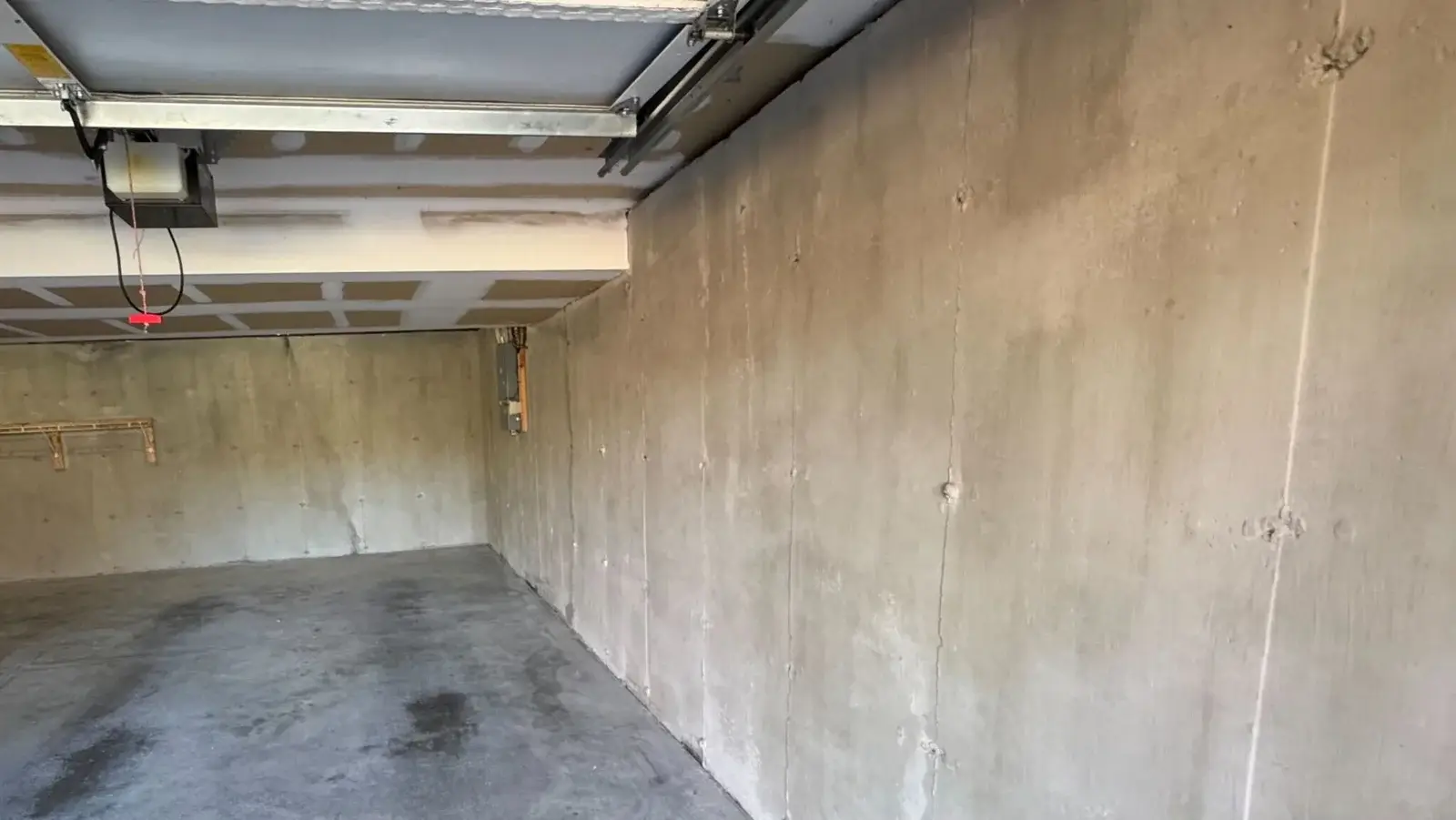
Water on basement walls may enter through cracks, gaps around pipes, joints, or porous sections of concrete and masonry. You might notice droplets, wet streaks, or water collecting where the wall meets the floor.
The leak’s location and timing can help narrow down the cause. Water that appears after heavy rain may point to saturated soil or drainage problems outside the house. Evaluate a recurring leak before covering the wall with paint or new finishes.
Damp Spots and Water Stains
Dark patches, peeling paint, bubbling finishes, or damp areas on foundation walls can indicate moisture intrusion. These signs may remain long after a leak stops, especially if the wall or surrounding materials have not dried completely.
Check whether the spots become more noticeable after rain or repeatedly appear in the same locations. Cleaning or repainting the surface may improve its appearance temporarily, but it will not stop water from entering through the foundation.
White Deposits on Concrete or Masonry
White, powdery deposits on basement walls are often called efflorescence. They form when water moves through masonry or concrete and carries dissolved minerals to the surface. As the moisture evaporates, the minerals remain behind.
Efflorescence does not automatically mean the foundation is structurally damaged. However, it can indicate that moisture is moving through the wall. If the deposits return after cleaning, find the water source and consider whether you need foundation waterproofing or drainage improvements.
Water Leaks After Heavy Rain
A basement that leaks during or shortly after heavy rain may have surface drainage issues, groundwater buildup, or a failing exterior foundation barrier. Water may enter through cracks, wall joints, or the area where the basement floor meets the foundation wall.
Check whether downspouts discharge close to the house and whether soil directs rainwater toward the building. These conditions can add to the amount of water around the foundation. If water still enters after you correct drainage problems, you may need a more thorough waterproofing evaluation.
Persistent Basement Moisture
A basement can remain damp without having an obvious leak. Moisture may pass through foundation walls or the floor, collect in porous materials, or condense on cool surfaces.
A persistent musty odor, damp stored items, or recurring condensation deserves attention. A dehumidifier may help control indoor humidity, but it will not repair a leaking foundation or correct water pressure in the surrounding soil. The cause of the moisture determines the right solution.
How Does Foundation Waterproofing Work?
House foundation waterproofing usually begins with an evaluation of the foundation, the water problem, and the property’s drainage. The work differs depending on whether the home is under construction or the existing basement already has leaks.
Two main approaches to waterproofing an existing foundation are exterior waterproofing and interior drainage. Exterior waterproofing helps prevent water from entering through foundation walls, while interior drainage collects and redirects water that reaches the basement. The right approach depends on where the water is entering, the foundation’s condition, and access around the property.
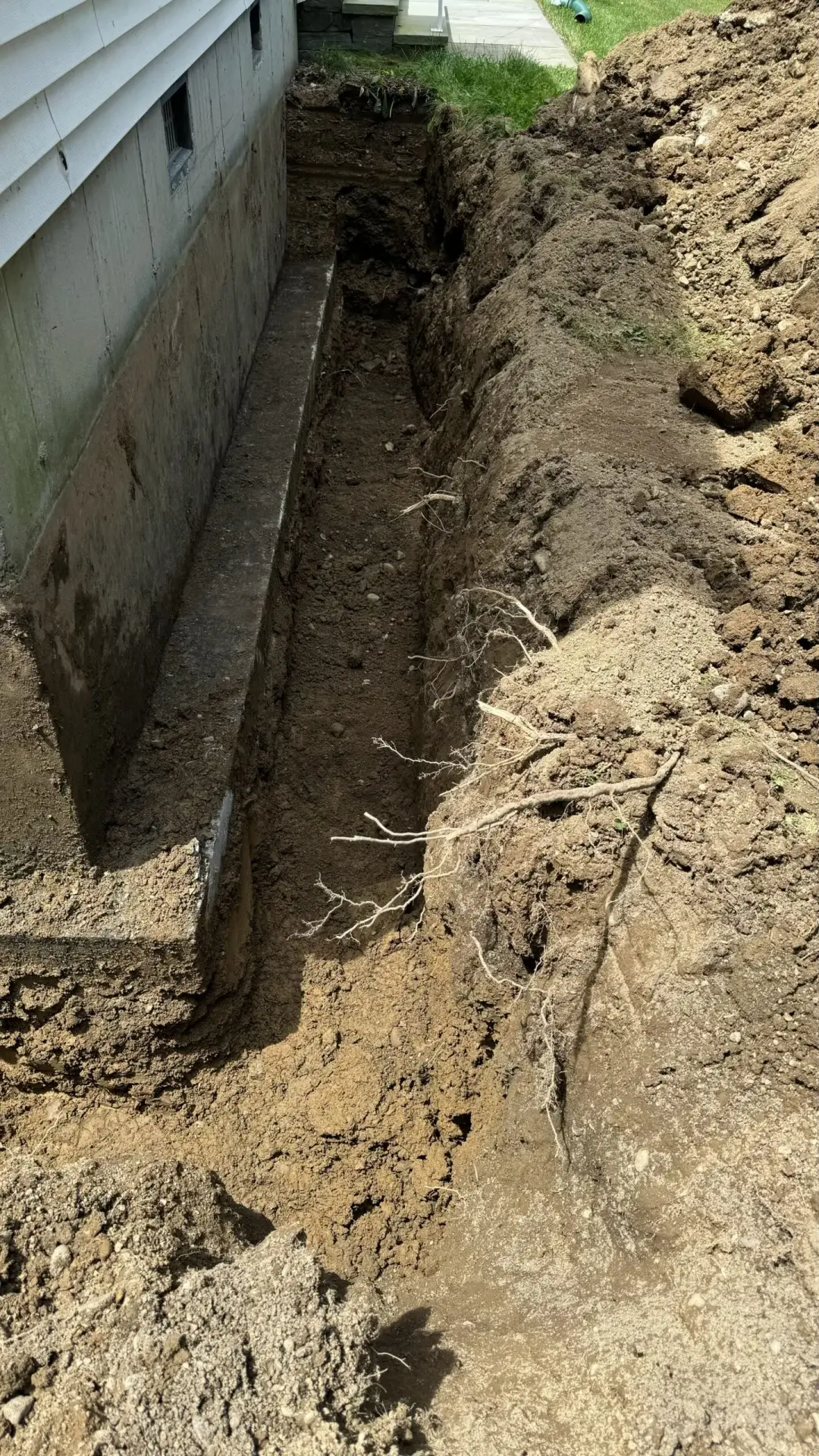
For exterior waterproofing, a contractor typically excavates the soil beside the affected foundation walls to expose the below-grade surface. After cleaning the walls and repairing cracks or damaged areas, the contractor applies a waterproof membrane. The contractor may also install a protective drainage layer and perimeter drain to help move groundwater away from the foundation. Once the work is complete, the contractor backfills the excavated area and grades the surrounding soil to direct rainwater away from the home.
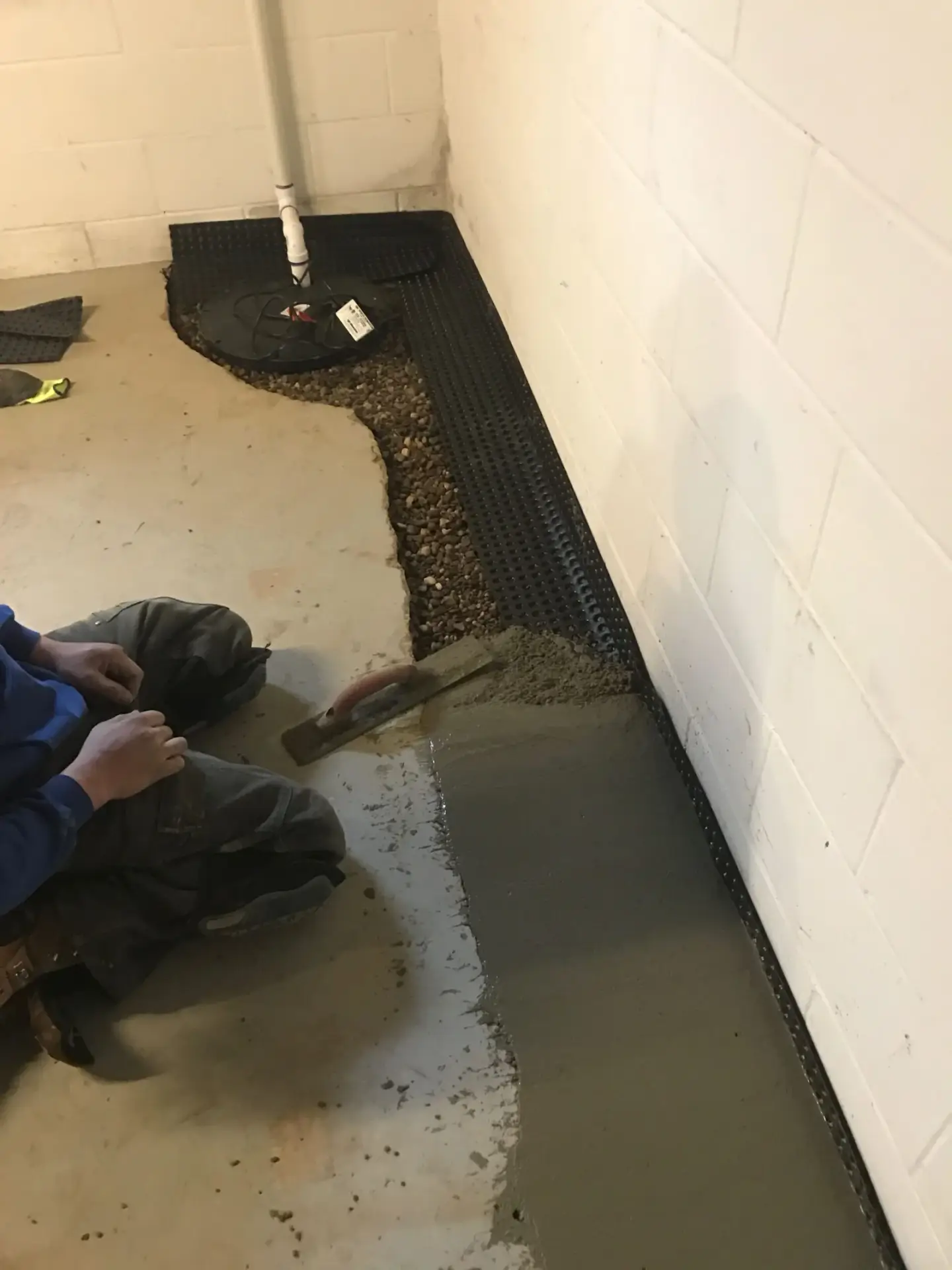
Interior waterproofing usually involves installing a drainage channel along the basement’s perimeter to collect water entering near the wall-floor joint. The collected water is directed to a suitable discharge point, often through a sump pump. This approach can help when exterior excavation is difficult or when water enters through the basement floor or wall-floor joint.
Both approaches depend on proper drainage. Whether water is collected outside or inside the foundation, it needs a reliable path away from the home to prevent recurring moisture problems.
Common Foundation Waterproofing Materials
Foundation waterproofing materials vary in how they are applied, how they handle water pressure, and which foundation surfaces they are designed to protect. The right material depends on the foundation type, soil conditions, expected water exposure, and installation details.
Liquid-Applied Waterproofing Membranes
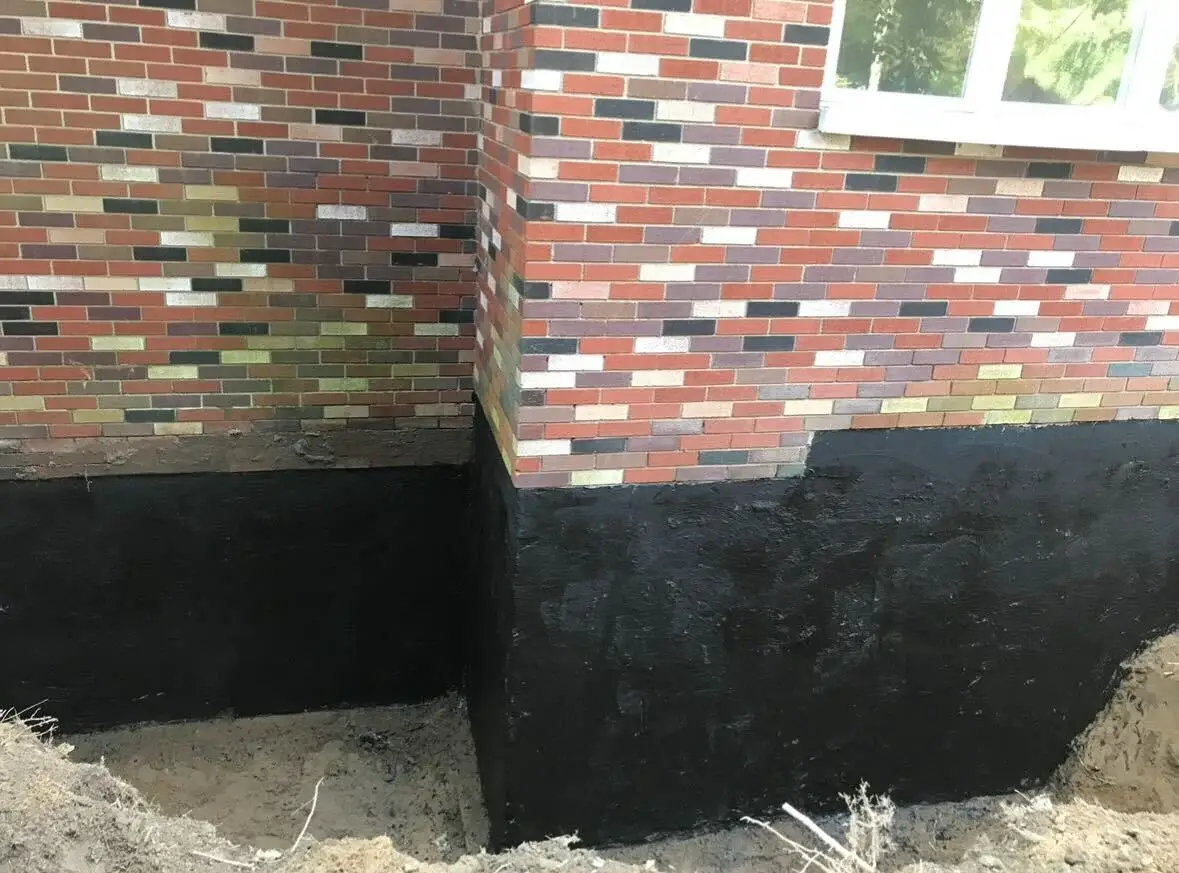
Liquid-applied membranes are spread or sprayed over the prepared foundation wall. Once cured, they form a continuous barrier that helps prevent water from passing through the surface.
Some products use modified asphalt or polymer-based formulas that can stretch to accommodate limited movement or small cracks, depending on the product’s specifications. Application thickness, surface preparation, and proper coverage are important because gaps or weak spots can compromise the barrier.
Sheet Waterproofing Membranes
Sheet membranes come in rolls and are attached to the foundation wall. The sheets overlap at seams to create a continuous layer that limits water penetration.
Seams, corners, and areas around pipes or other penetrations require careful attention. If the membrane is torn or incorrectly joined, water may find a path behind it. Select sheet systems based on foundation conditions and the manufacturer’s installation requirements.
Cementitious Waterproofing Coatings
Cementitious waterproofing products are cement-based coatings that are mixed and applied to suitable masonry or concrete surfaces. They can help reduce water penetration in approved applications.
These coatings are not interchangeable with every exterior foundation membrane. Their suitability depends on water exposure, wall condition, and whether the product is designed to withstand water pressure. A coating alone may not solve a basement leak caused by saturated soil or inadequate drainage.
Drainage Boards and Protective Panels
Drainage boards and protective panels help manage water against the exterior foundation wall. Some products create channels that let water move downward toward a footing drain while protecting the waterproofing membrane from damage during backfilling.
These materials are often part of a larger system, not a replacement for the waterproofing barrier itself. Their performance depends on proper installation and a functioning drainage route.
Foundation Sealers and Damp-Proofing Coatings
Foundation sealers and damp-proofing coatings help limit moisture absorption where they’re suited. They commonly address soil moisture, but not all are designed to resist water under pressure.
A surface sealer may help with certain moisture conditions, but it should not be treated as a universal fix for active basement leaks. Before choosing a product, determine whether the wall is dealing with damp soil, water pressure, an open crack, or another source of intrusion.
Foundation Waterproofing vs. Damp-Proofing
Waterproofing and damp-proofing both protect foundation walls from moisture, but they are designed for different levels of water exposure.
Damp-proofing reduces moisture absorption from surrounding soil. It is generally intended for conditions without significant water pressure. When properly selected and installed, waterproofing provides a stronger barrier designed to resist water penetration, including water under hydrostatic pressure.
| Feature | Damp-Proofing | Waterproofing |
|---|---|---|
| Main purpose | Reduces moisture absorption | Prevents liquid water from penetrating |
| Water resistance | Protects against soil moisture | Designed to resist water intrusion and hydrostatic pressure |
| Common materials | Asphalt-based coatings and damp-proof membranes | Waterproof membranes, liquid-applied systems, and sheet membranes |
| Best suited for | Foundations with good drainage and limited water exposure | Foundations exposed to groundwater, water pressure, or recurring leaks |
| Installation | Typically applied to exterior foundation walls | May involve exterior membranes, drainage systems, and additional protection |
| Cost | Generally less expensive | Typically more expensive due to materials and installation requirements |
For example, a foundation in well-drained soil with little groundwater pressure may need less protection than one where water regularly collects around the basement walls. In that case, a damp-proof coating alone may not be enough.
Neither approach replaces proper drainage. Gutters, downspouts, suitable grading, and a working footing drain help keep water from building up around the foundation. The right combination depends on the property’s conditions and the type of protection the foundation needs.
Best Ways to Waterproof a House Foundation
The best way to waterproof a foundation depends on where the water is coming from and how it reaches the basement. Exterior waterproofing can block water before it reaches the walls, while interior drainage systems collect water that has already entered the foundation. Crack repairs and surface drainage improvements may also be needed.
Exterior Foundation Waterproofing
Exterior foundation waterproofing creates a water-resistant barrier on the outside of the foundation wall, below ground level. Because the membrane is installed on the soil-exposed side, it can help stop water before it enters the basement.
The work may involve excavation, surface preparation, crack repairs, a waterproofing membrane, protective panels, and perimeter drainage. It can be a suitable option for recurring leaks through foundation walls, particularly when the exterior barrier is missing, damaged, or inadequate.
Exterior work can be more disruptive because you may need to temporarily remove soil, walkways, landscaping, or other features. However, it addresses water outside the foundation rather than relying only on an interior system to collect it.
Interior Drainage Systems
Interior drainage systems manage water that reaches the foundation’s interior perimeter. A typical system collects water along the basement floor and directs it to a drainage outlet or sump basin. A sump pump may then discharge the water away from the house.
This approach can help with recurring groundwater intrusion, particularly where water enters along the wall-floor joint. It may also be more practical when exterior excavation is difficult or costly.
An interior drainage system does not necessarily waterproof the exterior wall itself. Instead, it provides a controlled path for water to leave the basement area. You should still assess the water source to determine whether you also need exterior repairs or drainage improvements.
Foundation Crack Repair
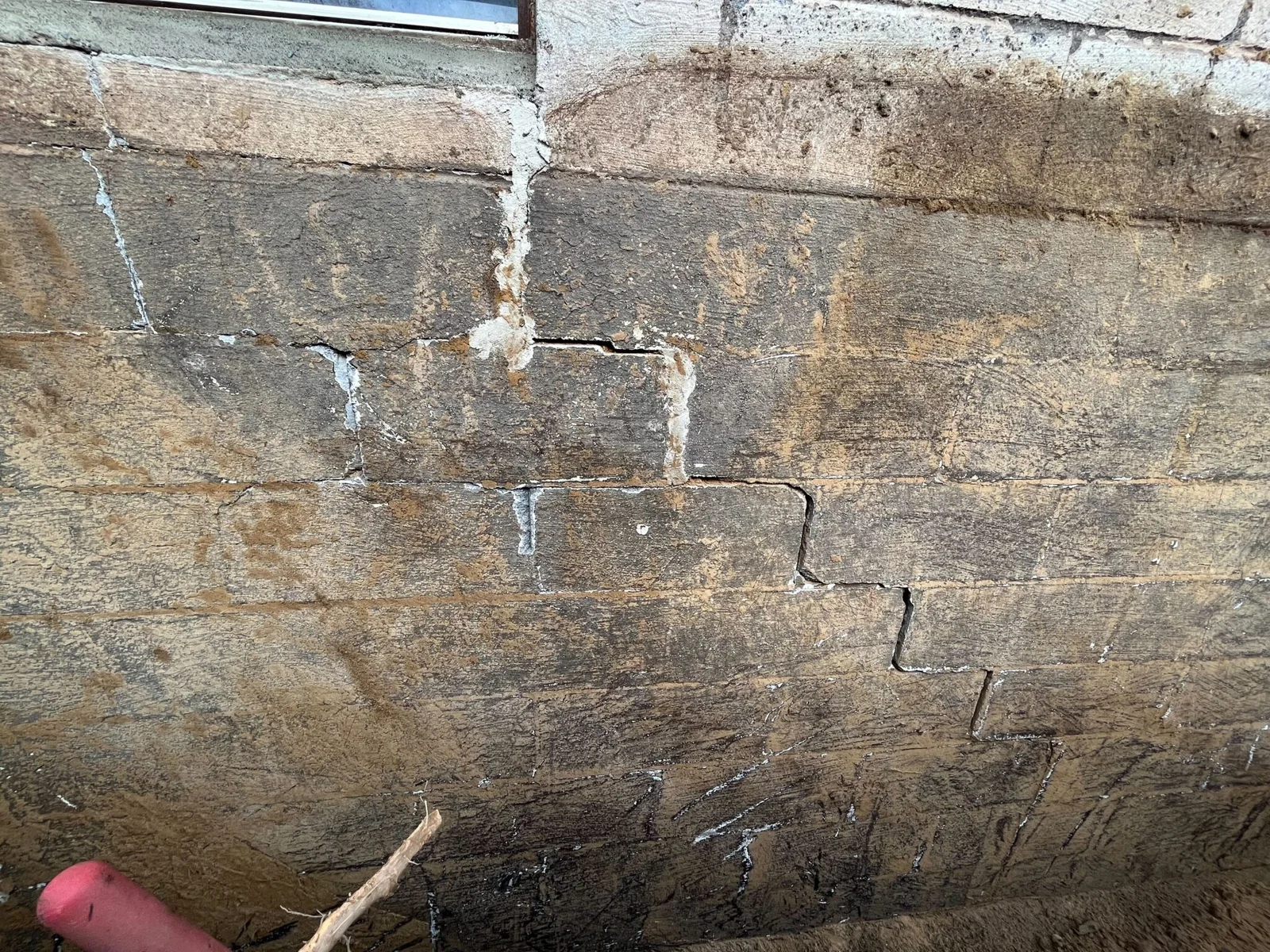
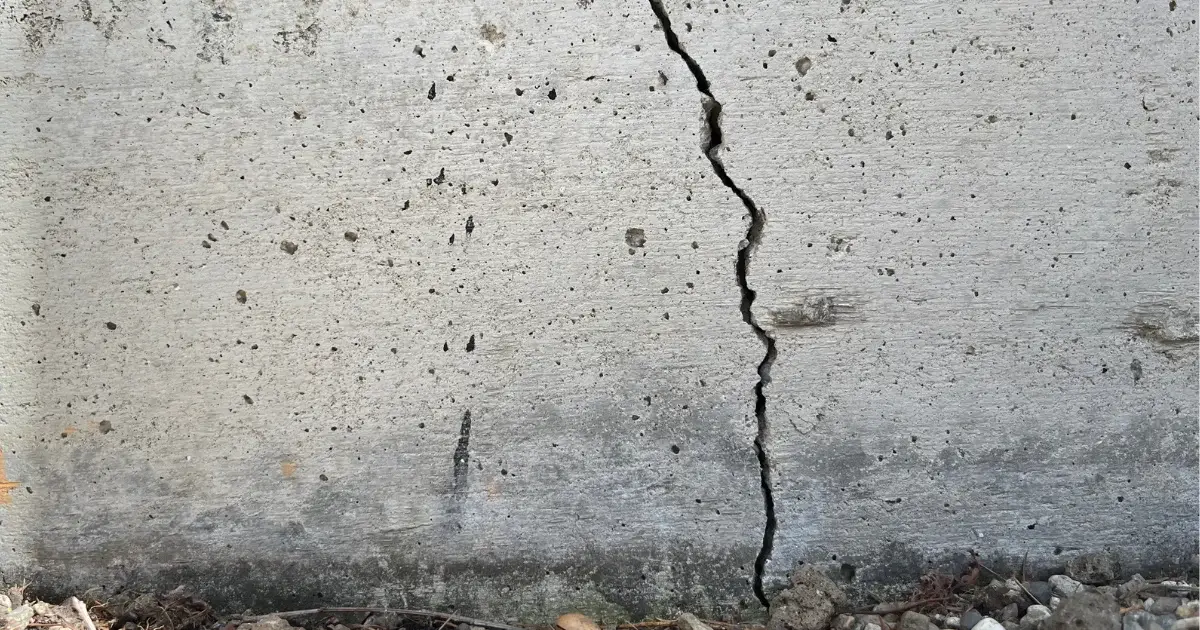
Foundation cracks can let water in directly, but the right repair depends on the crack type and why it formed. A small crack that leaks water may need a different repair than a crack caused by foundation movement or a bowing wall.
A contractor can assess the crack’s location, width, condition, and surrounding signs of damage before recommending a repair. Sealing the opening may stop water from passing through, but it won’t fix a larger structural problem or excessive water pressure around the foundation.
If several cracks are appearing or growing, or if they’re accompanied by uneven floors or displaced walls, the foundation may need a more detailed inspection before waterproofing work begins.
Improving Drainage Around the Home
Waterproofing works best when rainwater is directed away from the foundation. Clogged gutters, short downspouts, and soil that slopes toward the house can send water straight to the basement walls.
Keep gutters clear and make sure downspouts discharge far enough away to prevent water from collecting beside the home. The soil around the foundation should slope away from the structure, and you may need to correct low spots that hold water.
These improvements can reduce the amount of water reaching the foundation. However, they may not be enough if the basement has active leaks, a damaged waterproofing membrane, or groundwater pressure below grade.
What Is the Best Foundation Waterproofing Method?
No single foundation waterproofing method works best for every home. Exterior waterproofing is often a strong option when water seeps through below-grade foundation walls because it creates a barrier on the soil-exposed side. However, interior drainage, crack repair, or drainage improvements may be more appropriate for other conditions.
A home with a leaking foundation crack may need that crack repaired along with better drainage. A basement with water collecting around the floor perimeter may need an interior drainage system and a sump pump. A home where rainwater pools near the foundation may benefit from grading and downspout corrections before considering more extensive work.
The foundation’s condition also matters. A waterproofing membrane cannot correct structural movement, and a drainage system will not repair a damaged wall. A proper evaluation should identify the water source and determine whether the foundation needs waterproofing, drainage work, structural repairs, or a combination of these solutions.
Can You Waterproof a House Foundation Yourself?
Some minor moisture-control tasks suit homeowners, but full house foundation waterproofing can involve excavation, specialized materials, drainage installation, and repairs that require professional assessment.
Start by cleaning gutters, extending downspouts, fixing minor surface drainage issues, and checking for visible leaks. Small, nonstructural cracks may also have do-it-yourself repair options, depending on the product and the foundation’s condition.
Exterior waterproofing is more complicated. The foundation surface must be prepared correctly, cracks and penetrations must be properly treated, and the membrane must be compatible with the foundation and expected water exposure. Excavating beside a foundation also requires care because unsafe digging can damage utilities or compromise the surrounding soil.
If water keeps entering the basement, the foundation wall is cracking or moving, or the problem continues after basic drainage improvements, have a professional evaluate the cause before applying a coating. Covering a wet wall without addressing the source can leave the underlying problem unresolved.
How Long Does Foundation Waterproofing Last?
The lifespan of foundation waterproofing depends on the materials, installation quality, drainage conditions, and amount of water pressure around the home. A properly installed system can provide long-term protection, but no material lasts forever under every condition.
The waterproofing membrane must stay intact, and the drainage system must keep water moving away from the foundation. Excavation damage, poorly sealed joints, foundation movement, or a blocked drain can reduce the system’s effectiveness.
Homeowners should watch for recurring leaks, new damp spots, or water stains that appear after rain. These changes don’t always mean the membrane has failed, but they may indicate the drainage system or another part of the foundation needs attention. If the basement was previously waterproofed and water has returned, have the system inspected before assuming it needs a complete replacement.
Residential Foundation Waterproofing Costs
The cost of residential foundation waterproofing depends on the foundation’s size and depth, wall condition, the waterproofing materials, and the amount of excavation or drainage work required.
Exterior waterproofing can require more labor when contractors must excavate around the house, remove concrete or landscaping, repair foundation damage, and install a new drainage system. Interior drainage may require less exterior excavation, but total cost still depends on the basement layout, the drainage route, and whether you need a sump pump.
Crack repair or improvements to gutters and grading may be less extensive than a full waterproofing project. However, the cheapest option is not always the right one if it leaves the main source of water intrusion unresolved.
A useful estimate should explain the cause, recommend repairs, list the materials to be installed, and indicate whether it includes drainage improvements. Comparing estimates based on the same scope of work makes it easier to evaluate the proposed solutions.
When to Waterproof Your Home Foundation
Consider foundation waterproofing when water repeatedly enters the basement, damp spots return after rain, or moisture appears to be passing through the foundation walls. These problems may indicate that the existing waterproofing is damaged, missing, or no longer suitable for the conditions around the home.
You may also want to consider waterproofing during new construction or when major foundation work is already planned. Protecting the exterior foundation before backfilling can be easier than excavating around an established home later.
Not every moisture problem requires a complete waterproofing system. A leaking pipe, poor grading, or a single foundation crack may need a more targeted repair. If the basement has recurring leaks, multiple damp areas, or signs of foundation movement, have the property evaluated to identify the water source and the right next step.
Choose the Right Foundation Waterproofing Solution
Water can enter a basement from several sources, including saturated soil, foundation cracks, poor drainage, or a damaged waterproofing barrier. Treating the visible leak without identifying its cause can leave the home vulnerable to the same problem.
Top Course Masonry helps homeowners in the Capital Region address these issues with solutions suited to the foundation and the moisture source. Our foundation waterproofing services can help protect your foundation from water intrusion. If the problem is coming through below-grade exterior walls, our exterior basement waterproofing service may be an appropriate option.
If your basement has recurring leaks, damp foundation walls, or signs of water intrusion, contact Top Course Masonry to request an estimate. We can assess the problem and recommend the right approach for your home.