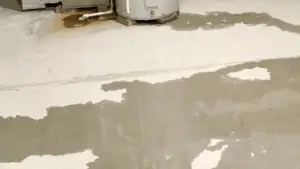
Water leaking into your basement after heavy rain usually means rainwater or groundwater is seeping through or around your foundation. You may notice a wet basement after heavy rain even if the space stays completely dry during normal weather. Cracks, poor drainage, saturated soil, clogged gutters, and other weak points can all contribute.
Finding the source of the water is important before deciding how to fix it. A puddle on the basement floor, a wet foundation wall, and water around a basement window can all have different causes.
Why Is Water Leaking Into My Basement After Heavy Rain?
Heavy rain can put more water into the soil around your home than the ground can absorb or move away. As the soil becomes saturated, water can collect against the foundation and look for an opening into the basement.
The problem may start with something outside, such as poor grading or a downspout that drains beside the house. It can also involve the foundation itself, especially if there are cracks, joints, or other areas where water can get through.
Hydrostatic Pressure Against the Foundation
Hydrostatic pressure is the pressure created when water builds up in the soil around your foundation. After a long or heavy storm, saturated soil can push water against basement walls and floors.
That pressure matters because water will take the easiest path it can find. If there is a crack or opening in the foundation, the pressure can force water through it and into the basement.
This is also why a basement may leak only during major storms. The foundation may handle normal rainfall without a problem, but several inches of rain can create very different conditions around the house.
Foundation Cracks and Openings
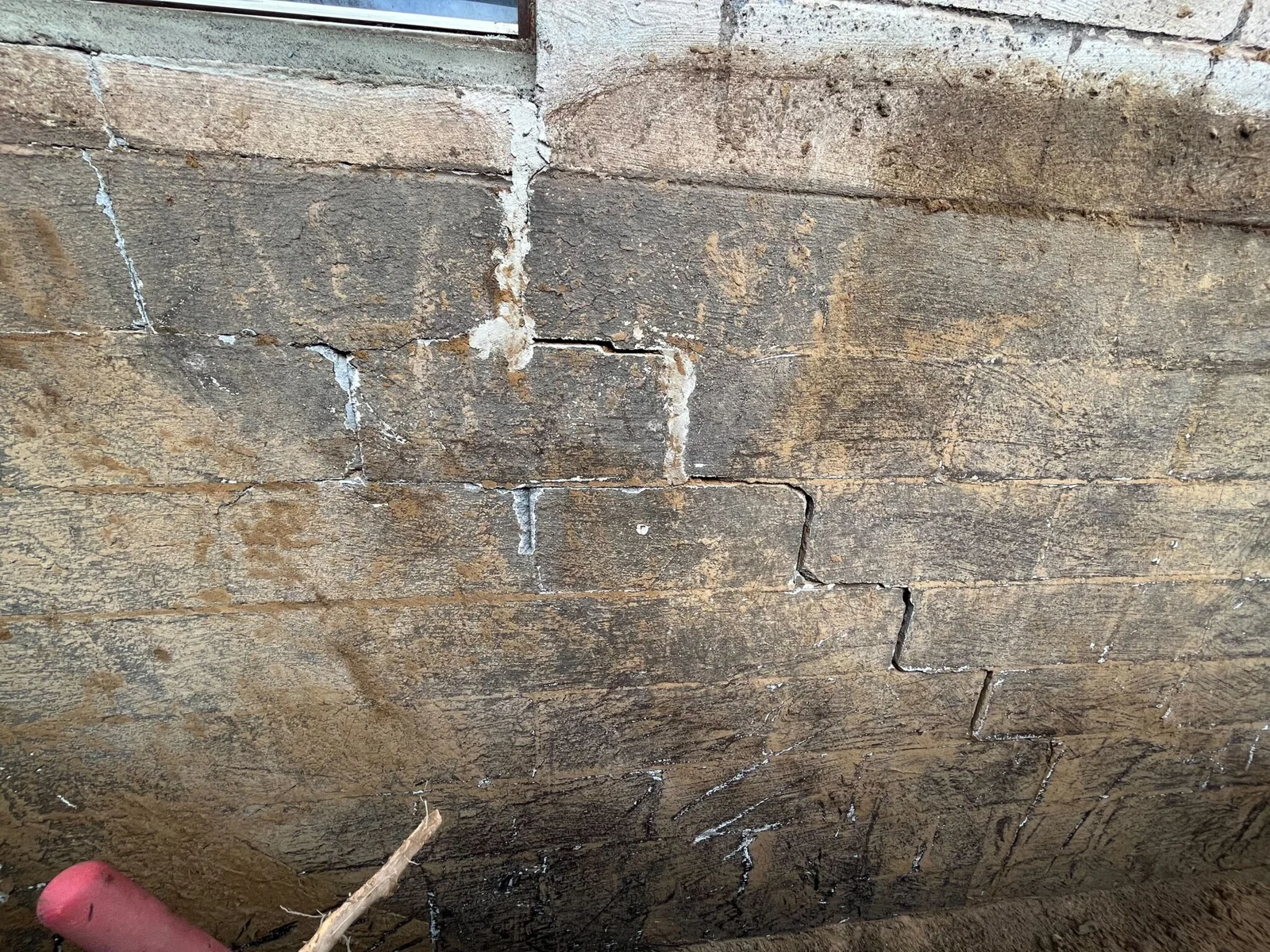
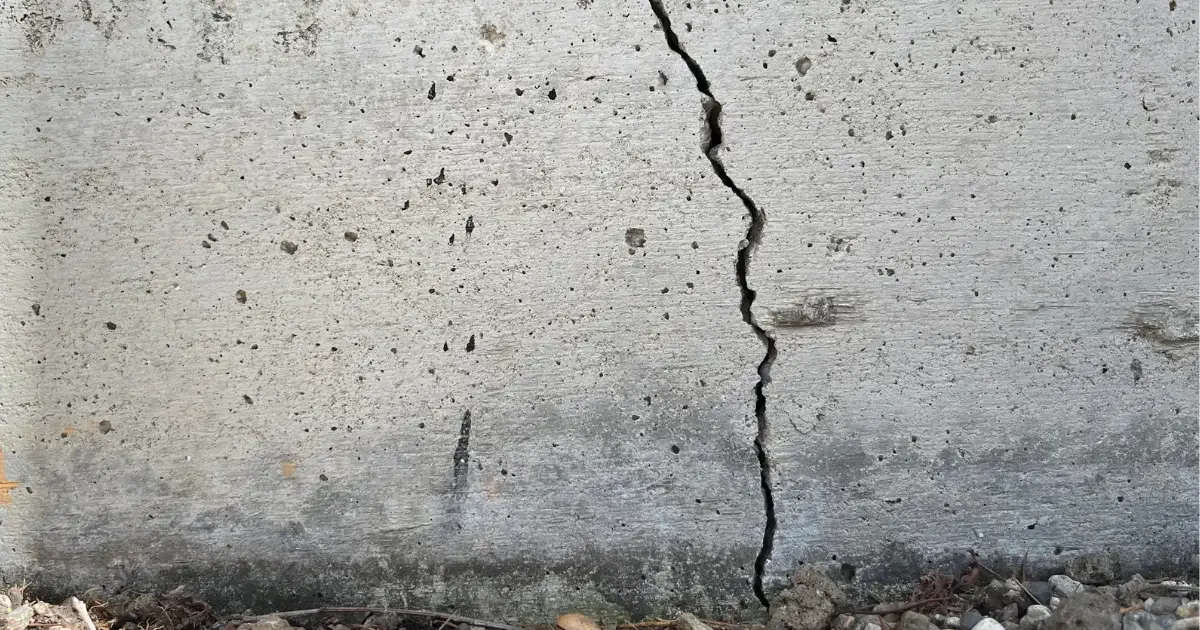
A foundation crack can provide a direct path for water to enter your basement. Cracks can occur in poured concrete, concrete block, and other foundation materials for different reasons, so they should not all be treated the same way.
Look for damp spots, staining, dripping water, or white mineral deposits around visible cracks. If the same crack leaks during heavy rain, it is worth having it inspected rather than simply covering the area with paint or sealant.
Poor Grading and Drainage
Grading refers to the slope of the ground around your home. Ideally, rainwater should move away from the foundation rather than collect next to it.
If the ground slopes toward the house, heavy rain can send a large amount of water toward the foundation. Check the yard after a storm and look for standing water, muddy areas, or runoff flowing toward the house.
Gutters and Downspouts
Your roof can send a significant amount of rainwater into the gutters during a storm. Downspouts then carry that water toward the ground.
Problems start when gutters overflow, or downspouts release water right beside the foundation. Keep the gutters clear and check where the downspouts discharge. Water should be carried away from the house rather than dumped next to the basement walls.
How to Find Where Basement Water Is Coming From
A basement leak does not always show up at the exact point where water entered the house. Water can travel along a foundation wall, through a joint, or across the basement floor before it collects in a noticeable spot.
The best time to look for the source is during or shortly after heavy rain. Pay attention to where the basement first becomes damp and compare those areas with what is happening outside.
Check the Foundation Walls
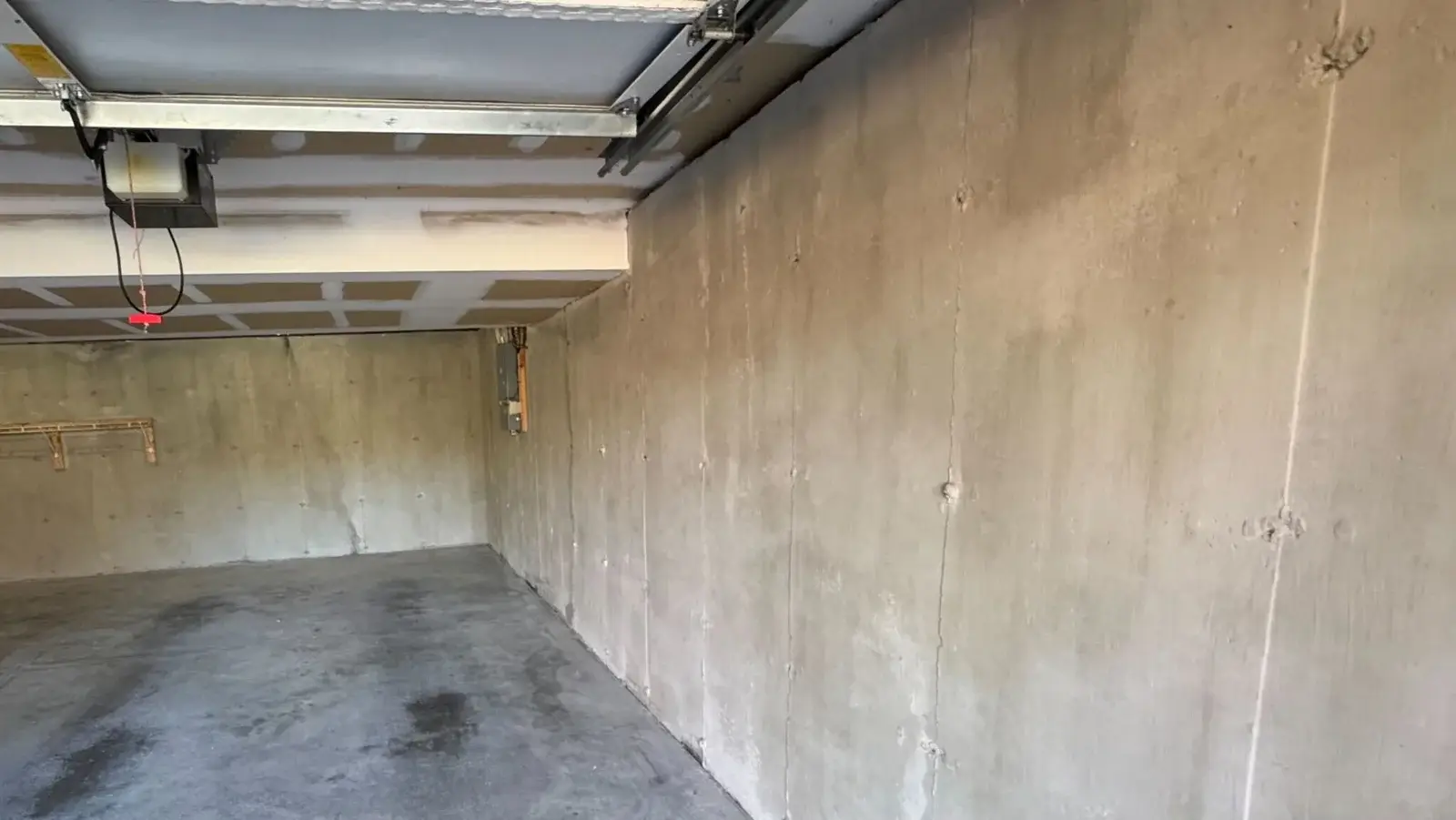
Start with the foundation walls. Look for damp areas, dark spots, staining, peeling coatings, and visible cracks.
A concentrated wet area can help point toward the entry point. If one part of the wall consistently becomes wet after storms, take a photo and note its location so you can compare it with future leaks.
Look for Cracks and Efflorescence
You may also see a white, powdery substance on the foundation called efflorescence. It forms when moisture moves through masonry and leaves mineral deposits behind as the water evaporates.
Efflorescence does not automatically mean your foundation is failing. It does tell you that moisture has moved through that part of the wall, which makes it a useful clue when tracking down a leak in your basement after heavy rain.
Inspect the Wall-Floor Joint
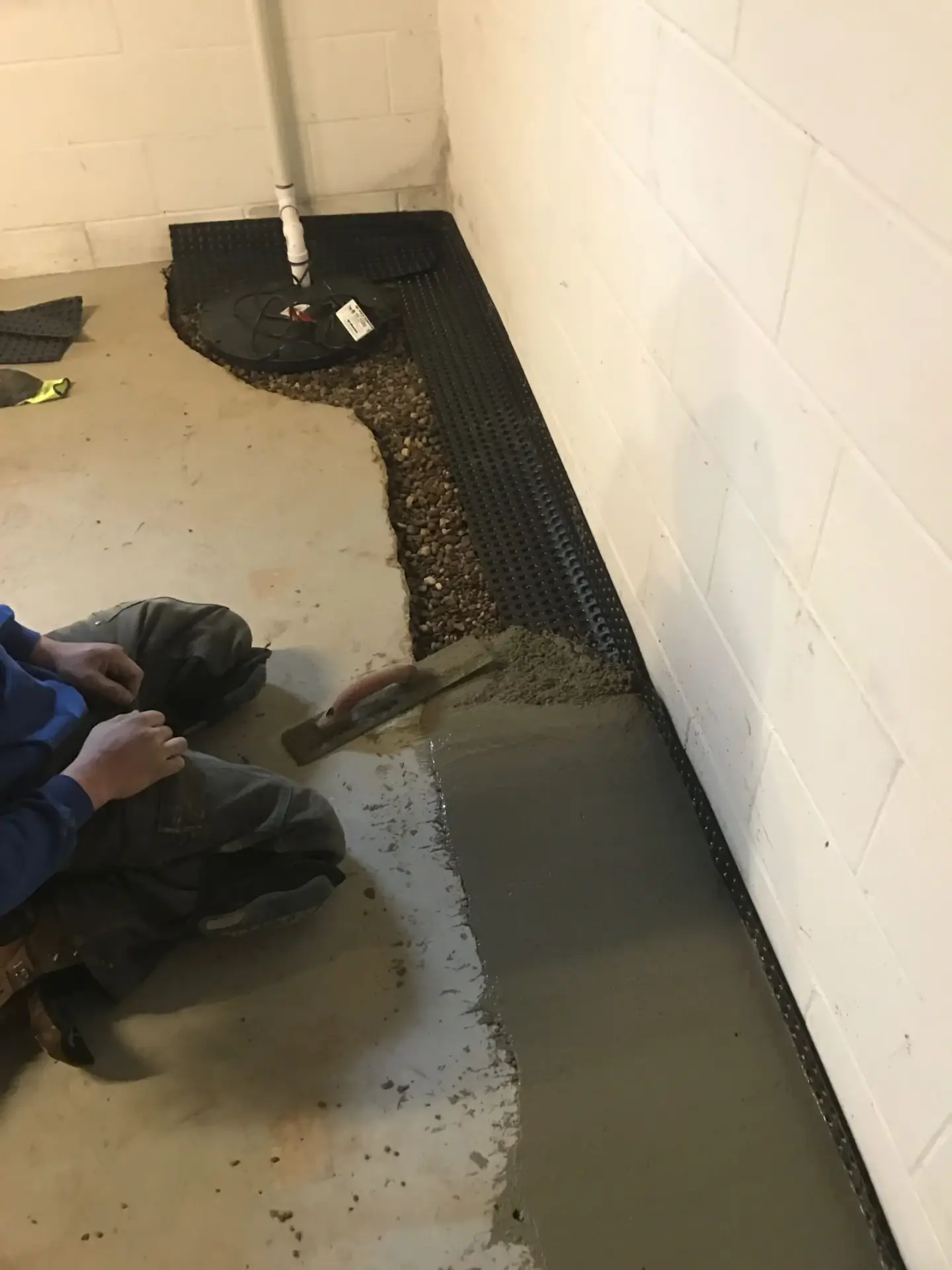
Look closely at the point where the basement wall meets the concrete floor. Water can enter through this joint when groundwater or water pressure builds up around the foundation.
If you see dampness, staining, or puddling along the edge of the basement floor after a storm, make note of exactly where it occurs. A leak in this area may have a different cause than water coming through a crack in a wall.
Check Basement Windows and Other Openings
Basement windows, doors, utility lines, and other openings in the foundation can also allow water to enter. Damaged seals or water collecting outside the opening can worsen the problem.
Check the inside of each opening for staining or moisture, then inspect the same area outside. Look for cracks, pooling water, damaged seals, or drainage that sends runoff toward the opening.
Look for Signs of Water Coming Through the Floor
Water can also enter through cracks or joints in the basement floor. This can happen when groundwater rises or pressure builds beneath the slab.
Take note of where the water appears and whether it happens after every major storm. Recurring water coming through the floor should be evaluated to determine whether the problem involves groundwater, drainage, or another source.
Why Does My Basement Leak Only After Heavy Rain?
A basement can stay dry during light rain and still develop a leak during a major storm. Heavy rainfall can saturate the soil around your foundation and increase the amount of water pressing against the walls and floor.
Your drainage system may also become overwhelmed during a storm. If gutters overflow, downspouts discharge too close to the house, or water collects in the yard, more moisture ends up around the foundation.
The timing of the leak is useful information. If your basement is leaking after a heavy rain but stays dry the rest of the time, watch where the water appears and what is happening outside at the same time.
What Should You Do When Your Basement Is Wet After Heavy Rain?
If you have a wet basement after heavy rain, deal with the water first and then look for clues about where it came from. Removing water and drying the space can limit damage, but those steps will not stop another leak.
If water is near electrical outlets, appliances, or other electrical equipment, do not enter the affected area until it is safe to do so.
Remove Standing Water
Standing water can damage flooring, drywall, furniture, and stored belongings. The longer certain materials stay wet, the harder they can be to dry and save.
The safest way to remove the water depends on how much is present and where it has collected. Do not use electrical equipment in or around standing water unless you know the area is safe.
Move and Protect Damaged Belongings
Move furniture, boxes, rugs, and other belongings away from the wet area when it is safe. Cardboard and other porous materials can absorb water quickly.
Take photos of damaged items and the affected areas before cleaning up when possible. This gives you a record of what happened and can also help when discussing the leak with a professional.
Dry Wet Materials
Once the water has been removed, increase airflow and use fans or a dehumidifier when appropriate. The goal is to remove as much remaining moisture as possible.
Drying the basement helps address the immediate effects of the leak, but it does not solve the underlying cause of the water entering the basement. If the source is still active, the area can become wet again during the next storm.
Document Where the Water Entered
Take pictures of cracks, stains, puddles, damp walls, and other signs of water intrusion. If possible, document the basement while the leak is active or soon after the rain stops.
Also write down when the water appeared and how much rain had fallen. A pattern can help show whether the problem is tied to heavy rainfall and where the water may be entering.
Check Whether the Leak Returns
Pay attention during the next heavy storm. If the same area becomes wet again, you are dealing with a recurring water problem rather than a one-time event.
Keep track of where each leak occurs. If the location remains consistent, that information can make it easier to determine what needs repair.
How to Fix Water Leaking Into a Basement After Heavy Rain
The right way to fix water leaking into a basement after heavy rain depends on the source. A drainage problem may be resolved differently from a foundation crack, groundwater issue, or water entering around a basement window.
Trying to seal the visible water without finding the cause can leave the same problem waiting for the next storm.
Improve Drainage Around the Foundation
If rainwater is collecting beside the foundation, improving drainage may reduce the amount of water reaching the basement walls. This can involve correcting the ground slope or changing how surface water flows across the property.
Start by watching the yard during heavy rain. Areas where water pools or flows toward the house can help identify drainage problems that need to be addressed.
Repair Foundation Cracks
If water is coming through a foundation crack, the crack needs to be evaluated before choosing a repair. Its location, size, foundation material, and the reason it formed can all affect the appropriate repair method.
A crack that leaks repeatedly should not simply be covered up. Repairing the actual opening can help stop water from using it as an entry point.
Address Exterior Foundation Waterproofing
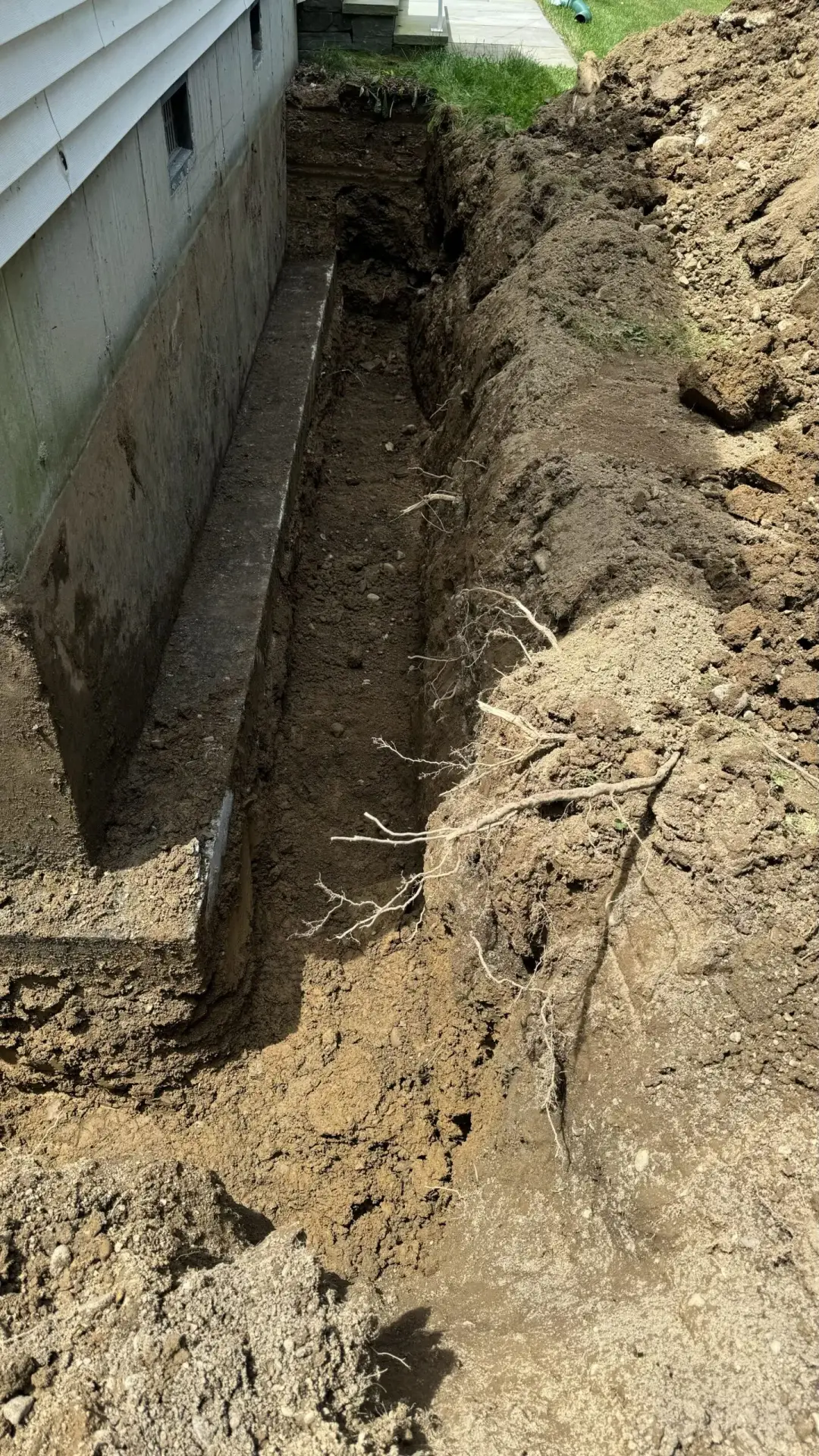
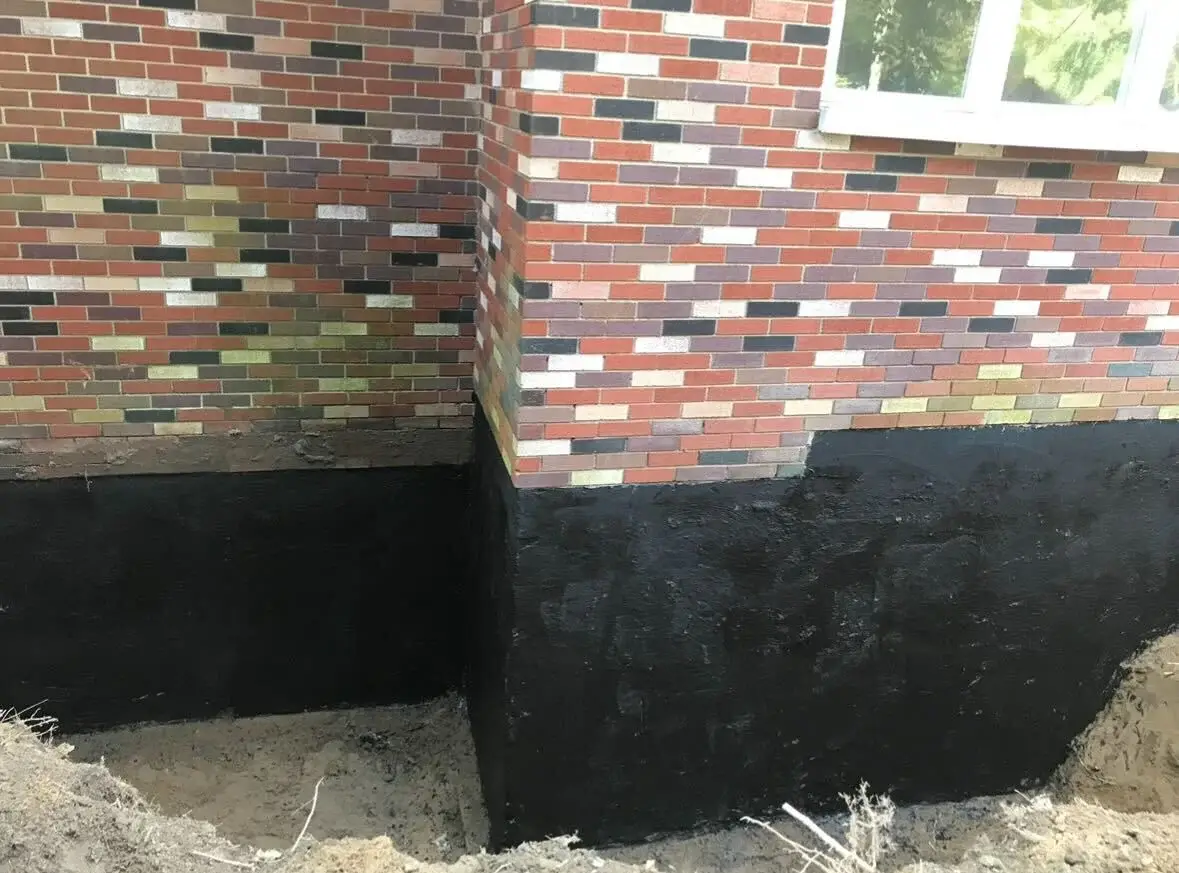
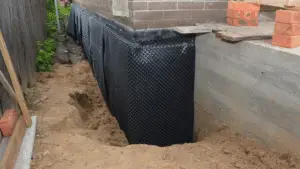
Exterior waterproofing focuses on keeping water away from the outside of the foundation. This can be useful when water repeatedly collects against the foundation, contributing to basement water intrusion.
The work may involve accessing the exterior of the foundation, addressing drainage issues, and applying waterproofing materials. The best approach depends on the property and the condition of the foundation.
Install or Repair a Sump Pump
A sump pump collects groundwater and moves it away from the basement. It can be an important part of a drainage system for homes that regularly deal with groundwater.
A sump pump is not a cure for every basement leak. If water is coming through a foundation crack or because of poor exterior drainage, those problems may need to be addressed as well.
Can Basement Water Damage the Foundation?
Water entering your basement does not automatically mean that your foundation has structural damage. Still, repeated moisture can contribute to deterioration of some masonry materials and cause damage to basement finishes, flooring, insulation, and stored belongings.
Pay attention to changes over time. New or expanding cracks, bowing walls, settlement, or recurring water intrusion warrant closer attention, as they may indicate a larger foundation problem.
If you are unsure whether a crack is simply allowing water through or is connected to structural movement, have the foundation evaluated instead of trying to diagnose it from the appearance of the crack alone.
How to Prevent Basement Leaks After Heavy Rain
Preventing basement flooding after heavy rain starts with keeping as much water as possible away from the foundation. Gutters, downspouts, grading, drainage, and foundation maintenance all work together to control where rainwater goes.
Some maintenance can be handled by homeowners, while recurring water problems may require a more involved solution.
Keep Gutters and Downspouts Clear
Clean gutters allow rainwater from the roof to reach the downspouts rather than overflow along the foundation. A clogged gutter can send a large amount of water down one section of the house during a storm.
Check your gutters regularly and look at your downspouts after heavy rain. Make sure they are not blocked, and that water is being carried away from the foundation.
Direct Water Away From the Foundation
Downspouts should not dump large amounts of water directly beside your basement walls. Concentrating roof runoff in one area can quickly saturate the soil around the foundation.
Watch where the water goes during a storm. If you see runoff collecting next to the house, the discharge point may need to be moved farther away.
Correct Drainage and Grading Problems
Water sitting next to the foundation after rain is a warning sign that the property may not be draining properly. The longer water remains in the soil beside the foundation, the more moisture the foundation has to deal with.
Look for low spots and areas where water repeatedly collects. Depending on the property, correcting the grade or adding drainage may help move water away from the house.
Address Foundation Cracks Early
A foundation crack that stays dry during normal weather can still become a source of water during a major storm. Once the surrounding soil becomes saturated, water can find its way through even a small opening.
If you notice a crack that repeatedly becomes damp or leaks, have it evaluated before the next heavy rainfall creates another problem.
When Should You Call a Foundation Professional?
Not every damp basement requires major foundation work. But if you cannot determine where the water is coming from, the leak keeps returning, or you see signs of foundation damage, professional help can save you from guessing at the solution.
A professional can look at both the basement and the conditions around the foundation. That matters because the visible leak inside may be caused by a drainage or foundation problem outside.
Consider having the problem inspected if:
- Your basement leaks after most heavy storms
- Water is entering through a foundation wall or floor
- A foundation crack is actively leaking
- Efflorescence keeps returning
- Water collects beside the foundation
- Basic drainage changes have not stopped the leak
- You notice new or worsening foundation cracks
- You cannot determine where the water is coming from
The sooner you know what is causing the leak, the easier it is to decide what needs to be done.
Stop Basement Water Problems at the Source
A basement that leaks after heavy rain is more than a cleanup problem when the same water keeps coming back. Finding the entry point and looking at the conditions around the foundation can help identify what is actually causing the leak.
Top Course Masonry can help evaluate basement and foundation water problems and determine whether your home may need foundation crack repair, waterproofing, drainage work, or another solution. Contact Top Course Masonry to schedule an evaluation and discuss the best way to address water entering your basement.