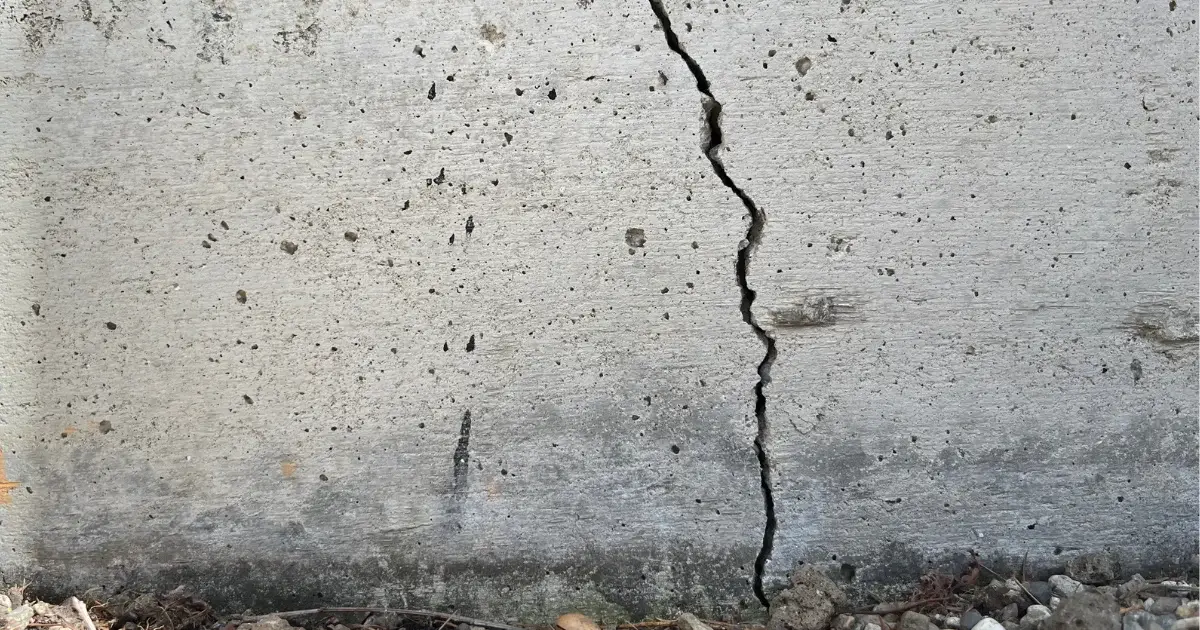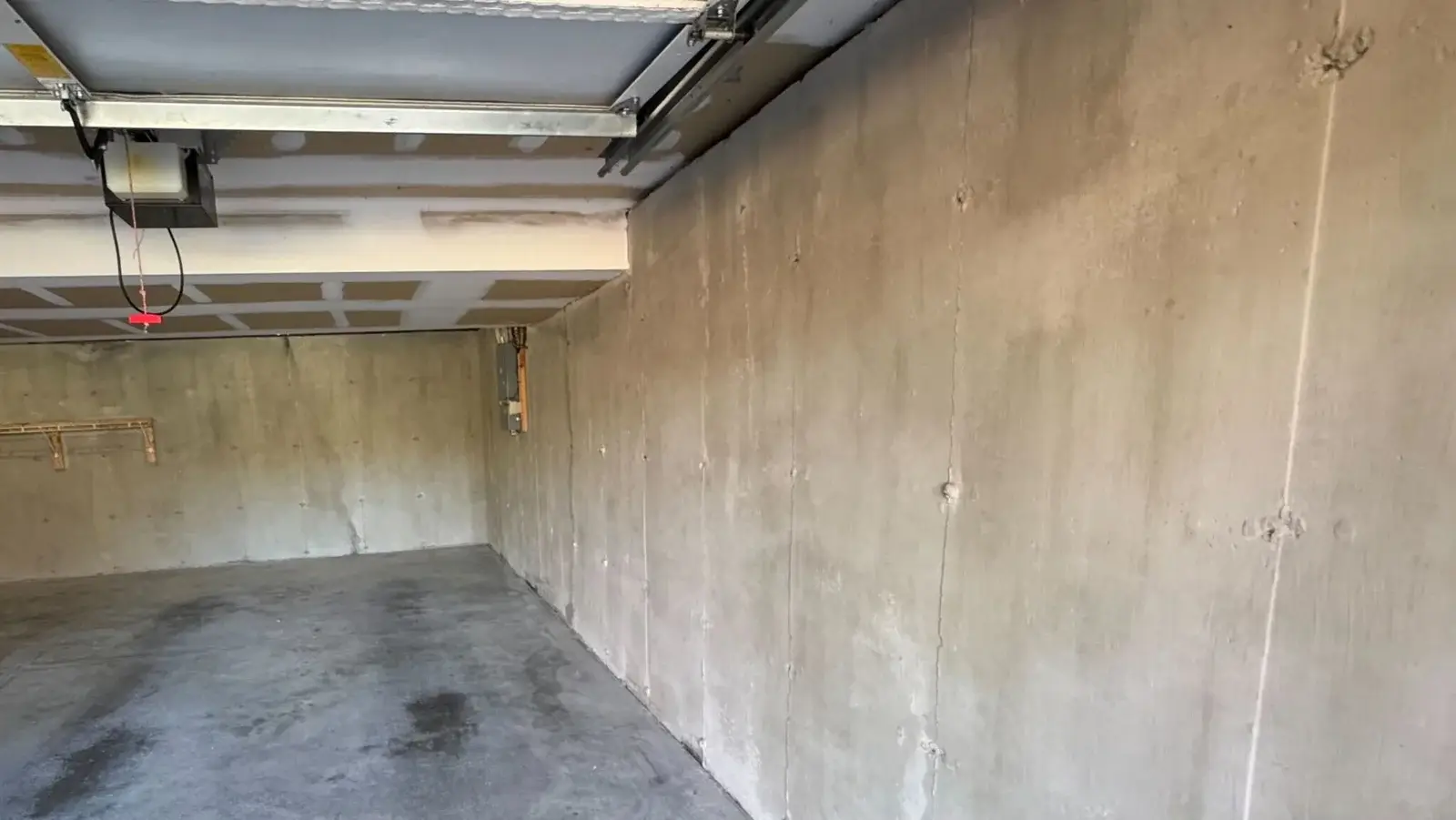
The cost to waterproof a basement depends on where the water enters, how severe the problem is, and which repairs your home needs. A small crack may only need sealing, while recurring leaks or water pressure around the foundation may require a drainage system, sump pump, or exterior waterproofing.
Many basement waterproofing projects cost a few thousand dollars, while more extensive work can run $10,000 to $18,000 or more. These are general national estimates, not local quotes. Prices in the Capital Region can vary based on labor, site conditions, foundation type, and the scope of work.
Before comparing basement waterproofing prices, identify the water source. A repair that addresses the cause can offer better long-term protection than sealing a surface while moisture continues to enter elsewhere.
What Is the Average Cost of Basement Waterproofing?
The average cost of basement waterproofing varies by project type. Many national estimates place typical projects between roughly $2,500 and $8,200, with some reports putting the average around $5,200. Basic crack repairs may cost much less, while a complete system involving drainage, pumps, or excavation can push the total well above $10,000.
The waterproofing a basement cost estimate you receive will depend on what the contractor recommends. Sealing one leaking crack is a different job from installing a drainage system around the basement perimeter. Exterior waterproofing may also require excavation, removal of landscaping, and work along the foundation walls.
For a minor moisture problem, the solution may involve sealing a crack or improving drainage around the house. Recurring seepage may call for an interior drainage system or sump pump. If water is entering through the exterior foundation walls, excavation and a waterproofing membrane may be more appropriate.
These cost ranges are useful for planning, but they should not replace an inspection. The water source and foundation condition determine what work is necessary.
Factors That Affect Basement Waterproofing Costs
Several factors influence the final price of a basement waterproofing project. Basement size matters, but foundation condition, how much water enters, and how difficult it is to access the affected area can have just as much impact.
Basement Size and Foundation Type
Larger basements generally cost more to waterproof because they require more materials and labor. For example, a system that runs along the entire basement perimeter requires more work than repairing a single wall section.
Foundation type also affects the approach. Poured concrete, concrete block, brick, and older stone foundations have different joints, surfaces, and potential moisture entry points. A repair suitable for a poured concrete wall may not work the same way on an older stone foundation.
The layout matters, too. Finished basements may require extra work to access walls and floors without damaging drywall, flooring, or built-in features. Contractors may need to remove and replace portions of the finished space before installing a waterproofing system.
Interior vs. Exterior Waterproofing
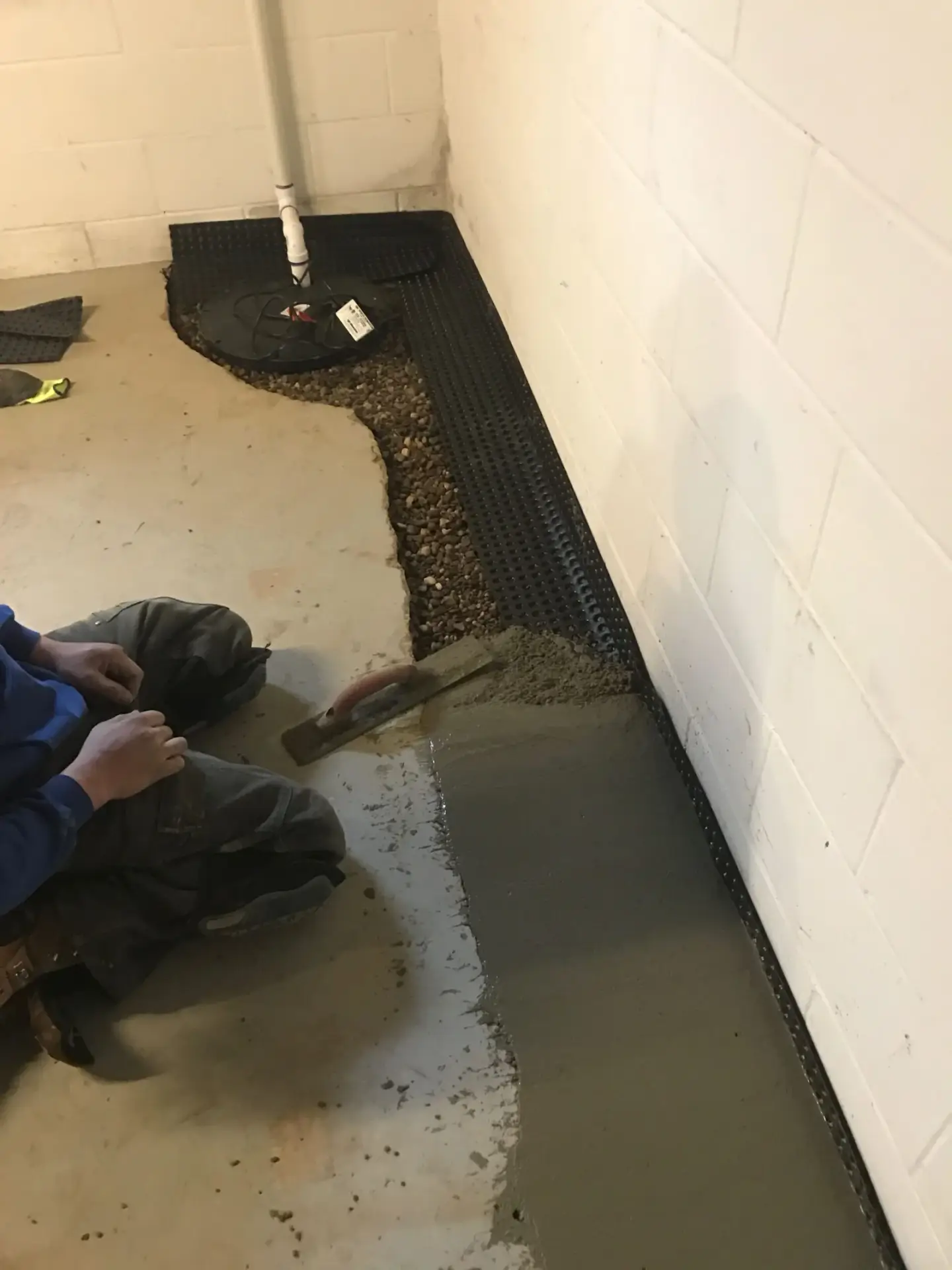
Interior waterproofing often costs less upfront because it usually avoids digging around the outside of the house. Depending on the problem, it may involve an interior drainage channel, a sump pump, crack repairs, or a combination of these measures.
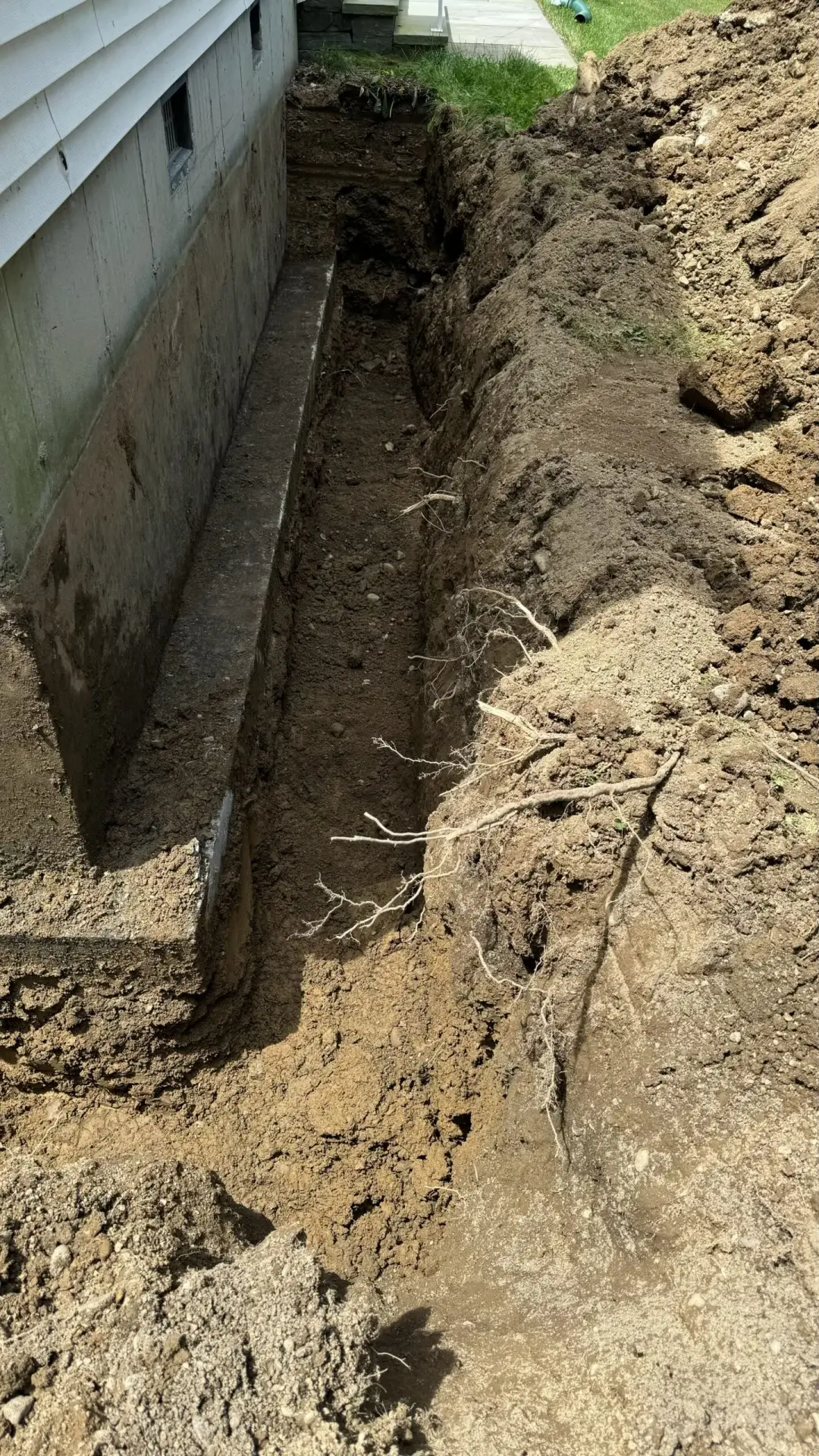
Exterior waterproofing generally costs more because workers may need to excavate along the foundation, prepare the walls, apply a waterproofing membrane, and install or repair drainage components. Landscaping, walkways, decks, and other obstacles can add to the work.
The right drainage system depends on where water collects and how it needs to be removed. A sump pump collects and removes groundwater, while a French drain channels excess water away from areas where it could threaten the basement.
Severity of Water Problems
Occasional dampness may require a smaller repair than a basement that floods during heavy rain. A contractor needs to determine whether the problem stems from a localized crack, water pressure beneath the slab, poor exterior drainage, or a combination of issues.
A basement with standing water or repeated leaks may need more than a sealant. Work may include drainage improvements, a sump pump, or repairs to the foundation and surrounding soil conditions.
Water damage can also add to the bill. Wet drywall, damaged flooring, and contaminated materials may need separate repairs or removal. Addressing the water source before replacing finishes can help prevent the same damage from happening again.
Foundation Damage and Required Repairs
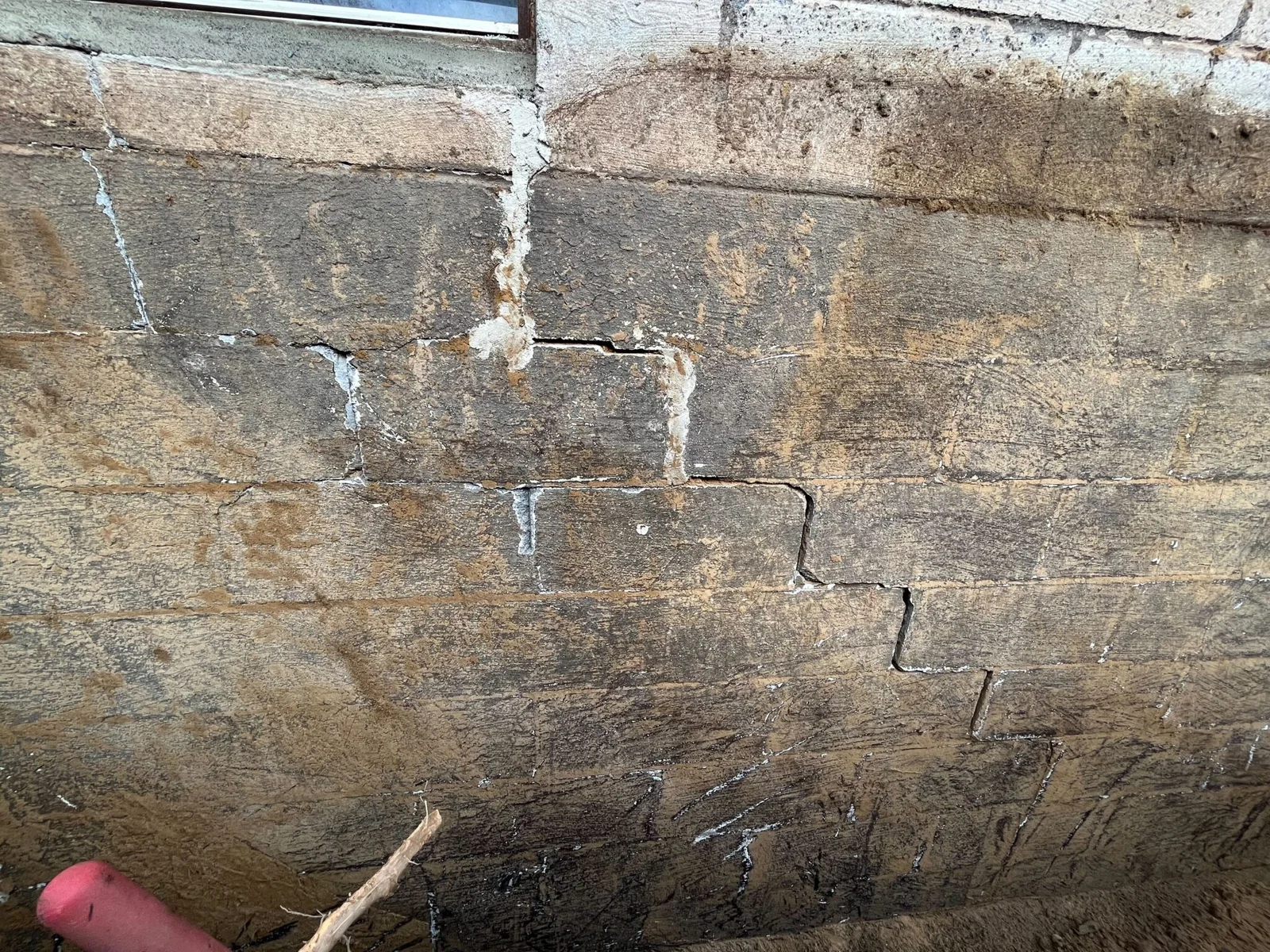
Cracks, deteriorating mortar, shifting concrete, or damaged foundation walls can increase waterproofing costs. These problems may require repair before a coating or drainage system can provide the intended protection.
Not every foundation crack indicates structural damage. However, foundation cracks that widen or develop uneven edges may signal movement that needs further assessment. If the foundation needs repair as well as waterproofing, the estimate should explain both parts of the project and what each repair addresses.
Soil Conditions and Site Accessibility
Soil conditions affect how water moves around a home. Some soils drain slowly and stay saturated after rain, while others let water move more freely. Yard slope, groundwater levels, and downspout locations can also affect moisture around the foundation.
Exterior work becomes more difficult when the foundation is close to a driveway, patio, retaining wall, or neighboring structure. Mature trees, fences, and landscaping may need protection or temporary removal to reach the foundation.
Limited access can increase labor time and equipment costs. These details explain why two homes with similar basement sizes can receive very different waterproofing estimates.
Basement Waterproofing Costs by Method
Basement waterproofing costs depend heavily on the method used. The following ranges are general estimates for planning purposes. Actual prices can vary by location, materials, labor, access, and the amount of work required.
| Waterproofing method | Estimated cost |
|---|---|
| Interior waterproofing system | 3,000-12,000 |
| Exterior foundation waterproofing | 8,000-18,000+ |
| French drain or drainage system | 3,000-12,000 |
| Sump pump installation | 1,200-3,500 |
| Foundation crack repair | 300-1,500 per crack |
| Waterproof coatings and sealers | A few hundred dollars for materials, plus labor if professionally installed |
These ranges are not all directly comparable. Some refer to a single repair, while others cover a larger installed system. A project may also combine several methods, so adding every figure together would not provide a reliable estimate.
Interior Waterproofing Systems
Interior waterproofing systems often cost around $3,000 to $12,000, depending on the basement layout and the amount of drainage work involved. A system may include channels along the basement perimeter, drain tile beneath the floor, and a sump pump to collect and remove water.
Installation may require cutting into the concrete floor, removing sections of the slab, placing drainage components, and restoring the concrete afterward. Finished basements can cost more because you may need to remove and replace flooring, walls, and other materials.
Interior systems are commonly used when water enters at the wall-floor joint or seeps through the foundation despite reasonable exterior drainage. The system manages water after it reaches the foundation rather than creating an exterior barrier.
Exterior Foundation Waterproofing
Exterior foundation waterproofing can cost about $8,000 to $18,000 or more, depending on foundation depth, excavation needs, and wall condition.
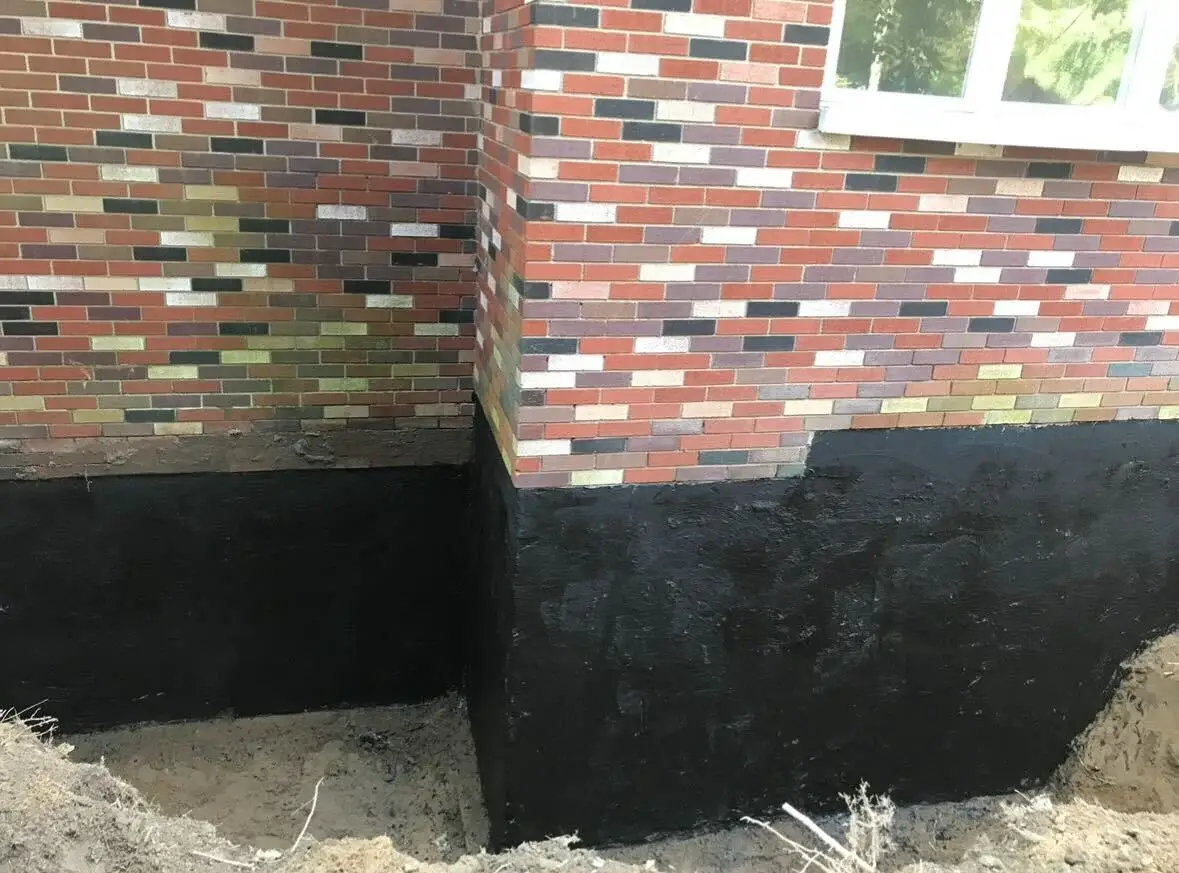
The process may involve digging down to the foundation footing, cleaning and repairing the exterior wall, applying a waterproofing membrane, and installing or improving drainage. Then the soil is returned to the excavation area, and affected landscaping or hardscaping may need restoration.
This approach can help prevent water from penetrating the foundation walls. However, it requires more extensive work than many interior repairs. The estimate should identify the areas being excavated, the materials being installed, and whether it includes backfilling and surface restoration.
French Drain Installation
French drain costs vary depending on where the drain is installed, how far it runs, and where collected water can be discharged. An interior basement drainage system may cost several thousand dollars, with estimates for more extensive systems reaching $12,000 or more. Exterior French drains have different installation requirements and may be priced by linear foot.
An interior drain typically collects water along the basement perimeter and directs it toward a sump pit or another suitable discharge point. An exterior drain may help move groundwater away from the foundation when the site allows for proper drainage.
The estimate should explain the drain’s location, length, discharge method, and whether it requires concrete cutting or excavation. These details make it easier to compare proposals accurately.
Sump Pump Installation
A sump pump installation commonly costs around $1,200 to $3,500, depending on the pump, sump pit, drainage connections, and site conditions. A basic replacement may cost less than installing a complete system in a basement that has never had one.
The pump collects water in a sump pit and moves it away from the house through a discharge line. The discharge location matters because water released too close to the foundation may flow back toward the basement.
Battery backup systems, alarms, and additional drainage work can increase the total. If the basement experiences recurring water intrusion, a contractor should determine whether a sump pump alone is enough or whether it needs to be part of a larger waterproofing system.
Foundation Crack Repair
Foundation crack repair may cost approximately $300 to $1,500 per crack, depending on its size, location, accessibility, and the repair method. Some minor cracks are relatively simple to seal, while larger or difficult-to-access cracks may require more work.
The repair may involve injecting a suitable material into the crack or preparing and sealing the affected surface. If the crack is associated with structural movement, the contractor may need to recommend additional foundation repairs.
Crack sealing can help stop water from entering through a specific opening, but it does not automatically resolve drainage problems or hydrostatic pressure. If water continues to collect around the foundation, you may also need to address those conditions.
Waterproof Coatings and Sealers
Waterproof coatings and masonry sealers are generally less expensive than full drainage or excavation systems. Basement coating materials may cost several hundred dollars, depending on the wall area and the number of coats required. Professional labor and surface preparation increase the total.
These products can help with certain types of surface moisture when the masonry is suitable and properly prepared. The surface usually needs to be clean and free of loose material or deposits that could interfere with adhesion.
Coatings are not a universal solution for basement leaks. They may fail when applied over active leaks, damaged masonry, or walls exposed to substantial water pressure. Before paying to coat the walls, identify the moisture source and confirm the product is designed for those conditions.
Basement Waterproofing Costs by Size
Basement size provides a useful starting point for estimating the cost to waterproof a basement. For planning, some projects fall within a broad range of roughly $3 to $10 per square foot. However, this is not a universal rate, and full drainage or exterior waterproofing systems may cost more.
| Basement size | Estimated cost |
|---|---|
| 500 sq. ft. | 1,500-5,000 |
| 750 sq. ft. | 2,250-7,500 |
| 1,000 sq. ft. | 3,000-10,000 |
| 1,250 sq. ft. | 3,750-12,500 |
| 1,500 sq. ft. | 4,500-15,000 |
| 2,000 sq. ft. | 6,000-20,000 |
These figures are broad planning estimates, not quotes for a complete waterproofing system. A small basement with a serious water problem may cost more to repair than a larger basement with minor moisture issues. Exterior excavation, foundation repairs, and difficult site access can also push costs beyond these ranges.
The type of system matters just as much as square footage. A coating applied to a limited wall area is not priced the same way as a drainage system installed around the full basement perimeter. Ask the contractor which measurements are being used and what the quoted price includes.
Is Interior or Exterior Waterproofing More Expensive?
Exterior waterproofing usually costs more upfront because it often involves excavation, wall preparation, waterproofing membranes, drainage components, and backfilling. Interior waterproofing can be less expensive because it generally avoids digging around the home’s exterior.
An interior system may be suitable when groundwater enters through the floor-wall joint or collects beneath the basement floor. Exterior waterproofing may be a better fit when water penetrates the foundation walls and you can access the foundation’s exterior.
The right choice depends on the water source, the foundation’s condition, and the property’s layout. Some homes benefit from a combination of interior and exterior improvements.
Compare estimates based on the work being performed rather than the total price alone. One proposal may cover drainage and a sump pump, while another includes excavation and exterior wall protection. Ask each contractor to explain why the recommended method fits your home’s water problem.
Additional Costs to Consider When Waterproofing a Basement
The main waterproofing estimate may not cover every expense related to the project. Depending on your basement’s condition, you may need to budget for related repairs, access work, or post-installation restoration.
Foundation repairs can add to the total if the walls or concrete need attention before waterproofing begins. A contractor may check for foundation cracks, wall movement, and signs of settlement to determine whether repairs are needed before waterproofing starts.
Existing water damage may also require mold remediation, removal of damaged drywall, flooring replacement, or repairs to stored and finished materials.
Exterior projects may involve removing and replacing landscaping, steps, walkways, patios, or other features that block access to the foundation. Interior drainage installation may require cutting and replacing portions of the basement floor. Electrical work, discharge line changes, and backup pump systems can also increase the price.
Ask whether cleanup, debris removal, concrete restoration, and landscaping repairs are included in the proposal. Also check whether permits are required for the planned work and whether the contractor has included any applicable fees. A detailed estimate helps prevent unexpected expenses after the project starts.
Can You Waterproof a Basement Yourself?
You can address some basement moisture problems with DIY work. Homeowners may be able to clean gutters, extend downspouts, correct minor drainage issues, or apply a suitable masonry sealer to a wall with limited surface moisture.
Materials usually cost less than hiring a contractor, but DIY work only makes sense when you understand the cause of the problem. Applying a coating to a damp wall won’t fix a leak caused by groundwater pressure, and filling a crack may not stop water from entering through other parts of the basement.
More involved work, such as installing an interior drainage system, excavating around the foundation, or repairing structural damage, requires the right equipment and knowledge. Mistakes can cause recurring leaks, foundation damage, or drainage problems elsewhere on the property.
If water returns after every heavy rain, the floor or walls show signs of movement, or the basement has standing water, consider a professional inspection before choosing a repair. An assessment may help you avoid spending money on a method that doesn’t address the source.
Is Basement Waterproofing Worth the Cost?
Basement waterproofing can be a worthwhile investment when it addresses a recurring moisture problem. Water that keeps entering the basement can damage finished materials, belongings, and stored items. Persistent dampness can also cause musty odors and create conditions that support mold growth.
The value depends on the problem and the repair. Sealing a small, isolated crack may be enough in one home, while another may need a drainage system to manage repeated water intrusion. You don’t always need a larger system if a simpler repair can address the cause.
It is also worth considering the cost of leaving the problem unresolved. Replacing damaged drywall or flooring more than once can add up, especially if water keeps entering after each repair. Waterproofing can help reduce that risk when the chosen method fits the actual conditions.
Before deciding, ask the contractor to explain the cause of the water, why the proposed system is appropriate, and its limitations. A clear explanation of the repair and its expected benefits makes it easier to decide whether the expense fits your needs.
Ways to Reduce Basement Waterproofing Costs
You may be able to reduce basement waterproofing costs by addressing drainage problems early and choosing a repair that matches the water source. Keeping gutters clear, directing downspouts away from the foundation, and correcting soil that slopes toward the house can help manage surface water before it reaches the basement.
Do not assume that the lowest-priced estimate offers the best value. A quote that includes only surface sealing may be cheaper than one that addresses a drainage problem, but the two proposals may not solve the same issue. Compare the scope of work, materials, restoration, and warranty terms before deciding.
If you receive multiple estimates, ask each contractor to explain the recommended method and any additional work that may be needed. You can also ask whether the project can be completed in stages without leaving the basement vulnerable to further damage.
Most importantly, avoid paying for a cosmetic fix when the water source remains unresolved. Identifying the cause early helps you choose the right repair and avoid repeating the same work later.
How to Get an Accurate Basement Waterproofing Estimate
An accurate waterproofing estimate starts with an assessment of the basement and the areas where moisture appears. A contractor should look at the walls, floor, foundation cracks, drainage conditions, and signs of water damage. The inspection should also consider whether the problem occurs during heavy rain, snowmelt, or periods of high groundwater.
Share details about when you first noticed the water and whether it appears in the same location each time. Photos taken during or after a leak can help document the problem. If you have noticed widening cracks, uneven floors, or other changes, mention those as well.
The written estimate should describe the recommended repair, materials, labor, and any related work. It should also explain what the price includes, such as concrete restoration, debris removal, excavation, or landscaping repairs. Ask about warranty coverage and whether maintenance is required after installation.
If you are comparing proposals, make sure each contractor is addressing the same problem and scope of work. That makes it easier to understand why prices differ and which option best protects your home.
When Should You Invest in Basement Waterproofing?
Consider basement waterproofing when you notice recurring water intrusion, damp walls after rain, water collecting along the wall-floor joint, or white mineral deposits on masonry. A persistent musty smell, peeling paint, and repeated moisture damage can also indicate water is entering the basement.
Whether you need waterproofing depends on how often moisture appears, where it enters, and whether basic drainage improvements can address the underlying cause. Recurring basement leaks may indicate that you need more comprehensive protection.
Timing matters because water problems can become more expensive if left unchecked. Damaged finishes may need replacement, and ongoing moisture can affect stored belongings and how you use the space. If cracks are widening or the foundation shows signs of movement, assess the structure before choosing a waterproofing method.
Not every damp basement needs a complete waterproofing system. In some cases, a downspout extension or localized crack repair may be enough. Other homes need a more extensive solution because surface treatment alone can’t address water pressure, drainage conditions, or foundation damage.
An inspection can help you identify the source of the problem and decide what should take priority. That way, you can plan the expense around the repairs your basement actually needs.
Get a Basement Waterproofing Estimate
Basement waterproofing prices vary widely, from a small crack repair to a full drainage or exterior waterproofing project. The most reliable way to understand your costs is to identify where the water is entering and determine which repair will address the cause.
Top Course Masonry helps homeowners across the Capital Region assess foundation and basement problems and choose suitable repair options. Our team can evaluate your foundation’s condition, discuss possible solutions, and explain the work involved in protecting your basement from water intrusion.
If you are dealing with recurring leaks, damp foundation walls, or water collecting around the basement floor, contact Top Course Masonry for a basement waterproofing estimate.