Cracks in a basement floor are common, and many form as concrete dries and cures. As the concrete loses moisture, it shrinks slightly, which can create small cracks even when the slab was installed correctly. Minor movement in the soil beneath the floor can also cause cracking.
A crack does not automatically mean the home’s foundation is failing. Basement floors are often separate concrete slabs rather than part of the structural foundation. However, cracks that widen over time, allow water inside, or have uneven edges may point to soil movement, drainage problems, or pressure beneath the slab.
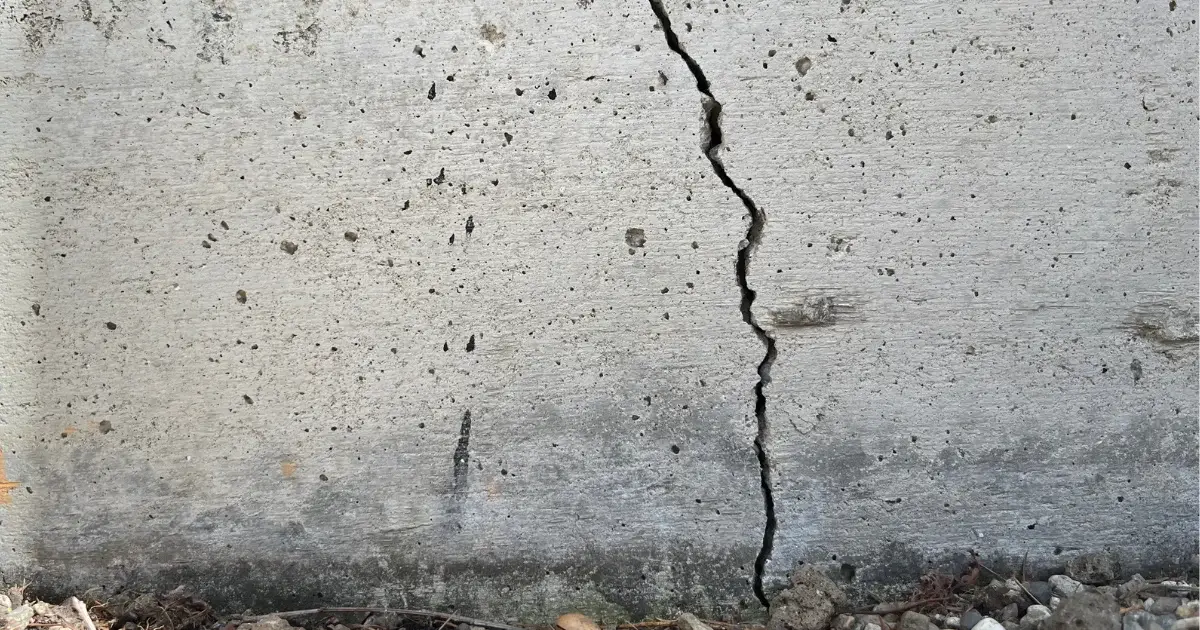
The crack’s shape and condition can offer clues about what is happening below the surface. A thin line in an otherwise level floor is generally less concerning than a crack with one side raised above the other. Pay attention to when the crack appeared, whether it is changing, and whether other parts of the basement show signs of damage. Take a photo and record its approximate length and width to monitor any changes.
Common Causes of Basement Floor Cracks
Basement floor cracks can develop for several reasons. Some form naturally as concrete cures, while others result from changes in the soil, groundwater pressure, or drainage around the house. Identifying the likely cause helps determine whether the crack needs simple sealing or a more involved repair.
Concrete Shrinkage During Curing
Concrete contains water when it is poured. As it hardens and loses moisture, it shrinks slightly. This movement can create small cracks, especially if the concrete dries too quickly or lacks enough control joints to manage the stress.
Shrinkage cracks are often thin and appear within the first few months after the floor is poured. They may remain unchanged for years and usually do not affect the slab’s ability to support normal household use.
However, a crack that continues to widen or develops a height difference between the two sides should not automatically be attributed to shrinkage. Changes in the crack’s appearance may point to another issue.
Soil Settlement Beneath the Floor
A concrete basement floor needs stable, compacted soil or a properly prepared base. If the supporting material shifts, settles, or was not compacted evenly during construction, the slab can lose support and crack.
Settlement may leave sections of the floor uneven or cause one side of a crack to sit higher than the other. In some cases, the concrete may sink slightly as the soil beneath it moves or compresses.
Foundation settlement can develop for several reasons, including changes in soil moisture and problems with the ground supporting the structure. If you notice floor cracks along with sticking doors, sloping floors, or cracks in foundation walls, an inspection can help determine whether the problems are related.
Hydrostatic Pressure and Groundwater
Water in the soil around a basement creates pressure against the foundation and beneath the floor. This pressure, known as hydrostatic pressure, can increase when groundwater levels rise, or heavy rain saturates the surrounding soil.
If water collects beneath the slab, it may seep through existing cracks or worsen floor problems, especially with poor drainage. A crack that wets after rainfall may indicate groundwater is reaching the underside of the concrete.
Hydrostatic pressure does not explain every basement floor crack, but it is worth investigating when cracks appear alongside recurring water intrusion, damp flooring, or moisture problems.
Poor Drainage Around the Foundation
Water that drains toward the house instead of away from it can saturate the soil around the foundation. Over time, repeated changes in soil moisture can affect the ground supporting the basement floor and increase the chance of water entering through existing cracks.
Clogged gutters, short downspouts, and soil that slopes toward the house can all contribute to drainage problems. These issues may be more noticeable after heavy rain or snowmelt.
Fixing the crack alone may not solve the problem if water keeps collecting around the foundation. Also check drainage conditions outside the home to determine whether water needs to be redirected away from the structure.
Soil Expansion and Frost Heave
Some soils expand when they absorb water and shrink as they dry. These repeated changes can put pressure on concrete slabs and affect the support beneath them. In colder climates, freezing moisture in the soil can also lift the ground, a process known as frost heave.
As the soil moves, the basement floor may crack, lift, or become uneven. These changes are often more noticeable during seasonal shifts, especially when temperatures hover around freezing.
If a section of the floor rises or the cracks change noticeably over time, the issue may involve soil movement rather than the concrete alone. Assess the underlying cause before choosing a repair method.
Types of Basement Floor Cracks and What They Mean
A crack’s appearance can offer useful clues, but its shape alone cannot confirm the cause. Consider the crack’s width, depth, location, and whether the surrounding concrete remains level. Changes over time and signs of moisture can help determine whether you need further inspection.
Hairline Cracks in Basement Concrete
Hairline cracks are narrow lines that may appear as concrete cures and shrinks. They are common in basement slabs and often remain stable without affecting the floor’s function.
If the crack is thin, dry, and level, it may not require major repairs. Still, monitor it for changes, especially if it is new or appears alongside other signs of movement.
Long, Straight Cracks
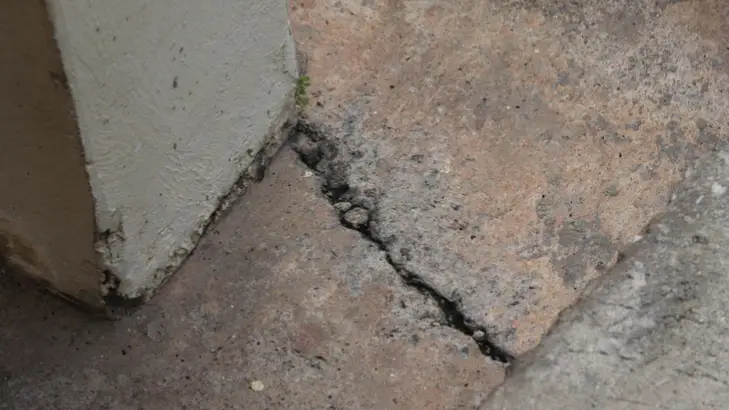
Long, straight cracks can form when concrete shrinks or when stress builds up in the slab. Their direction and location may offer clues, but a straight crack does not automatically indicate a structural problem.
Watch whether the crack follows a control joint or cuts across the floor without a clear pattern. If it widens, extends over time, or has uneven edges, have a professional check the slab to determine what is causing the movement.
Spiderweb or Map Cracks
Spiderweb or map cracks form a network of small, connected lines across the concrete surface. This pattern can be related to shrinkage, surface drying, or problems with the concrete mix and finishing.
These cracks may be limited to the surface, but their appearance alone does not confirm how deep they extend. If the concrete is flaking, breaking apart, or deteriorating around the cracks, a closer assessment can help determine the extent of the damage.
Cracks Along the Wall-Floor Joint
The joint where the basement floor meets the foundation wall can let water in when groundwater pressure rises, or drainage conditions worsen. Some moisture at this joint may reflect how water moves around the foundation rather than a crack through the middle of the slab.
Look for damp areas, water stains, or puddles along the floor edges, especially after heavy rain. Recurring water intrusion may require drainage improvements or basement waterproofing, not surface sealing alone.
Wide Cracks With Uneven Edges
A wide crack with one side higher than the other can indicate movement in the slab or the soil beneath it. This type of damage deserves more attention than a thin, stable line because the height difference suggests the concrete has shifted.
The cause may involve settlement, soil movement, or loss of support beneath the floor. Don’t assume filling the crack will fix the problem. Identify the source of the movement before you begin repairs.
Cracks With Raised or Sunken Sections
When part of the basement floor rises or sinks, the issue may extend beyond a surface crack. Soil expansion, settlement, or changes in the ground beneath the slab can cause sections of concrete to move.
Uneven flooring can create trip hazards and may allow moisture to collect in low spots. An inspection can help determine whether you can repair the slab locally or whether the underlying soil or drainage conditions also need attention.
When Should You Worry About Basement Floor Cracks?
Not every basement floor crack needs professional repair, but certain changes can signal a problem. Watch for cracks that grow, let water in, or appear alongside other signs of movement. These details can help distinguish a stable crack from one that needs further investigation.
The Crack Is Getting Wider or Longer
A crack that keeps widening or extending may indicate ongoing movement. Changes can happen gradually, so comparing photos from several weeks or months apart can help you spot a pattern.
No single width determines whether every basement floor crack is serious. The location, shape, movement, and surrounding conditions all matter. If the crack is changing, have it assessed rather than relying on its width alone.
Water Is Seeping Through the Crack
Water entering through a basement floor crack can indicate groundwater pressure, poor drainage, or another moisture issue beneath or around the slab. Even if the crack itself is small, recurring water can damage stored belongings, flooring, and finished basement materials.
Notice whether water appears only after heavy rain or remains present during dry weather. This information can help a contractor identify possible sources and recommend a suitable repair.
The Floor Is Lifting or Sinking
A crack accompanied by raised or sunken concrete may point to movement beneath the slab. Uneven sections can become tripping hazards and may keep changing if the cause remains unresolved.
If you notice a sudden change in floor level, avoid treating the crack as a cosmetic issue. An inspection can help determine whether the concrete, the supporting soil, or drainage conditions are contributing to the problem.
Several Cracks Appear at Once
Multiple new cracks may indicate that stress is affecting a larger area of the slab. The cause could be shrinkage, changes in soil moisture, or movement beneath the concrete.
Look at whether the cracks follow a similar pattern and whether the floor remains level. If several cracks develop over a short period, especially alongside water intrusion or uneven sections, a professional assessment can help identify the cause.
Cracks Appear Along With Wall Damage
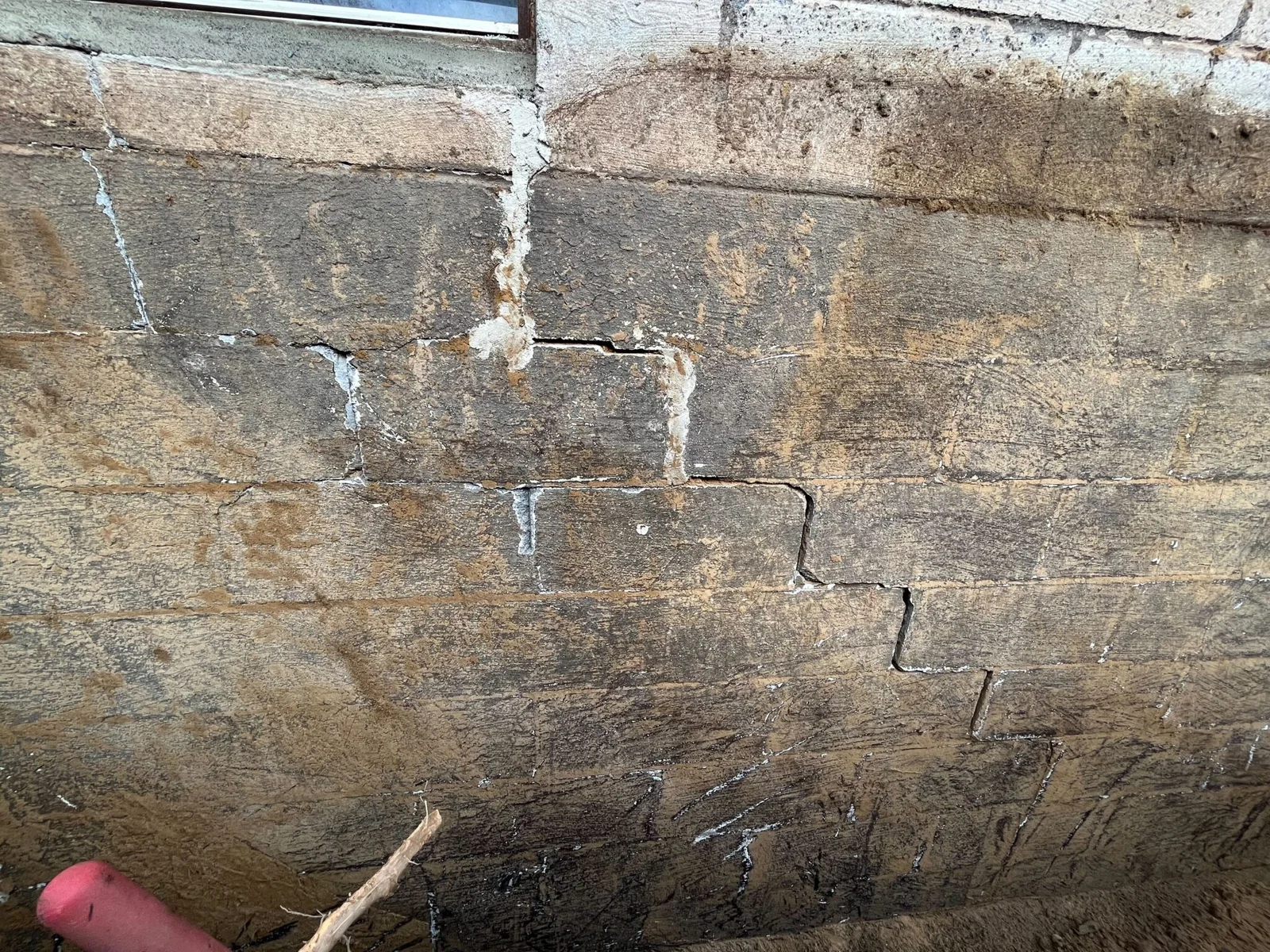
Basement floor cracks deserve closer attention when they appear alongside cracks in foundation walls, bowing walls, or other signs of movement. These problems may be connected, although they can also have separate causes.
Signs of a potentially serious foundation crack can help you understand why you shouldn’t ignore wall damage. If you notice several types of damage in the same area, have the basement and foundation inspected to determine whether structural repairs are needed.
Can Basement Floor Cracks Cause Water Problems?
Yes. Cracks can let groundwater into the basement, especially when the surrounding soil is saturated or hydrostatic pressure increases. After heavy rain, you may see damp patches, small leaks, or puddles.
Moisture can also lead to musty odors, damage to stored belongings, and deterioration of basement finishes. Repeated water intrusion can make it harder to keep the space dry, even if each crack lets in only a small amount.
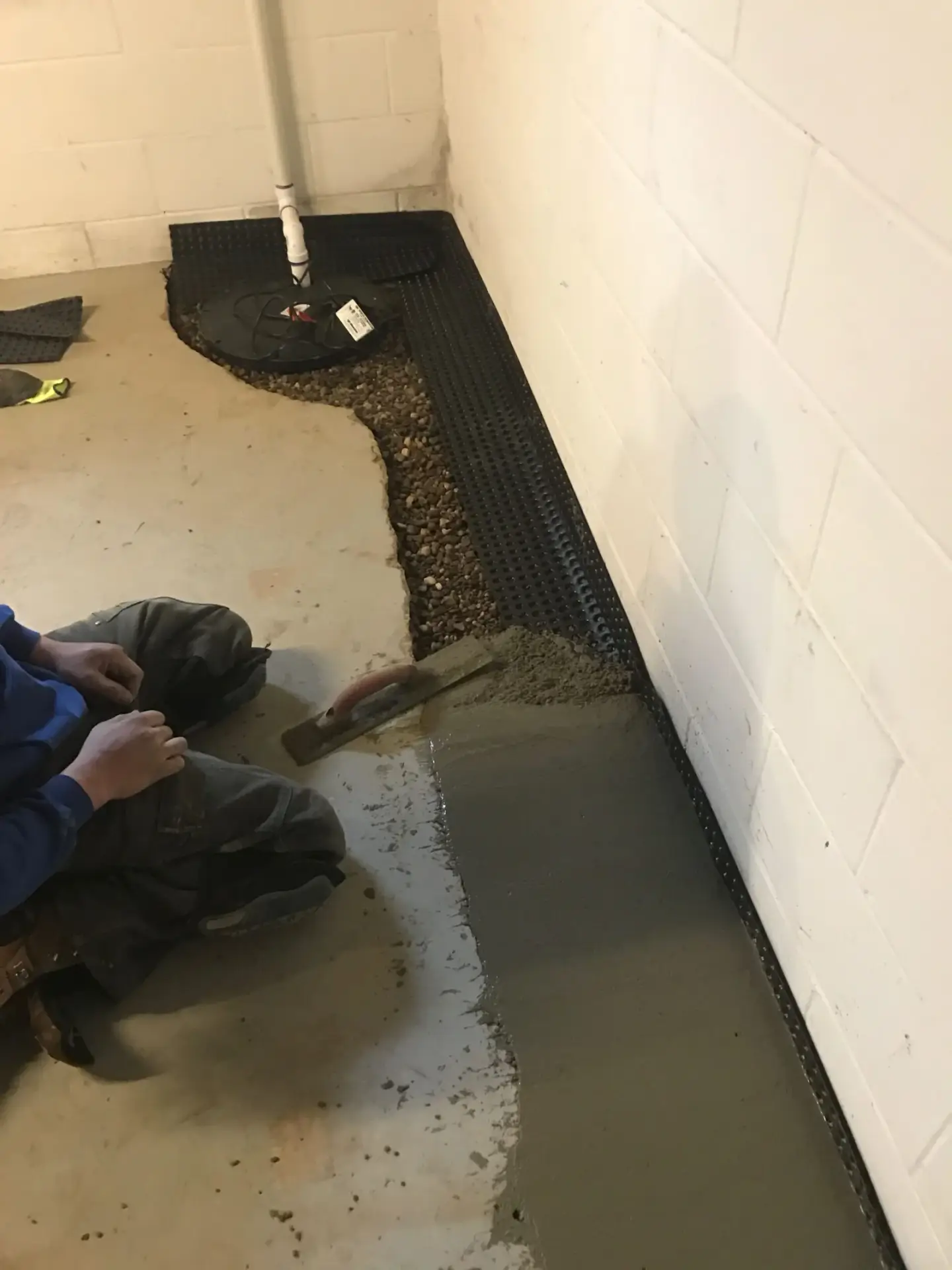
Sealing the visible crack may help, but it will not always stop the water if pressure beneath the slab or drainage problems remain. The right solution depends on where the water comes from and how it reaches the basement. In some cases, the repair may involve sealing the crack. In others, you may need drainage improvements, a sump pump, or a broader basement waterproofing approach.
Do Basement Floor Cracks Mean Foundation Damage?
Not necessarily. A basement floor is often a concrete slab that sits inside the foundation walls. Although it is part of the basement structure, it may not support the house in the same way as the foundation walls or footings.
Small, stable cracks can form as the slab cures and do not automatically mean the home has a structural problem. The concern increases when cracks are associated with shifting concrete, significant water intrusion, or damage to the foundation walls.
The location and pattern of the damage matter. A crack through the middle of a level slab may have a different cause from one that runs along the wall-floor joint or appears alongside bowing walls. A professional inspection can help establish whether the issue is limited to the basement floor or connected to a larger foundation problem.
Basement Floor Crack Repair Methods
The right repair depends on why the crack formed, whether it is still moving, and whether water is entering through it. A repair that works for a stable hairline crack may not suit a floor that has shifted or continues to leak.
Sealing Small, Nonstructural Cracks
Small cracks that remain stable and show no signs of significant movement may be suitable for sealing. Depending on the crack and the concrete’s condition, a concrete-specific repair product can fill the opening and reduce moisture entry.
Before applying a sealant, clean and prepare the crack according to the product instructions. Simply covering the surface without proper preparation can lead to a weak repair.
Sealing is not a substitute for investigating a crack that keeps growing or has uneven edges. If the slab keeps moving, the crack may reopen.
Repairing Cracks That Leak Water
A leaking basement floor crack needs attention to both the opening and the moisture source. A suitable crack repair may reduce water entry, but groundwater pressure or poor drainage can cause leaks to return if you don’t address those conditions.
The repair method depends on the crack type, how much water enters, and the conditions beneath the slab. A contractor can assess whether sealing is appropriate or whether the basement needs additional drainage or waterproofing work.
Fixing Uneven or Sunken Concrete
When sections of the basement floor have shifted, filling the crack alone will not correct the height difference. The repair needs to address the uneven slab and determine why the concrete lost its level.
Depending on the floor’s condition and the cause of the movement, options may include repairing or replacing a section of concrete. The appropriate approach depends on the amount of movement, the slab’s condition, and whether the underlying support is stable.
Addressing Soil and Drainage Problems
If soil movement or water management issues contribute to the cracks, include those conditions in the repair. Poor drainage can keep the soil around the foundation wet, while changes in soil moisture may affect the ground beneath the slab.
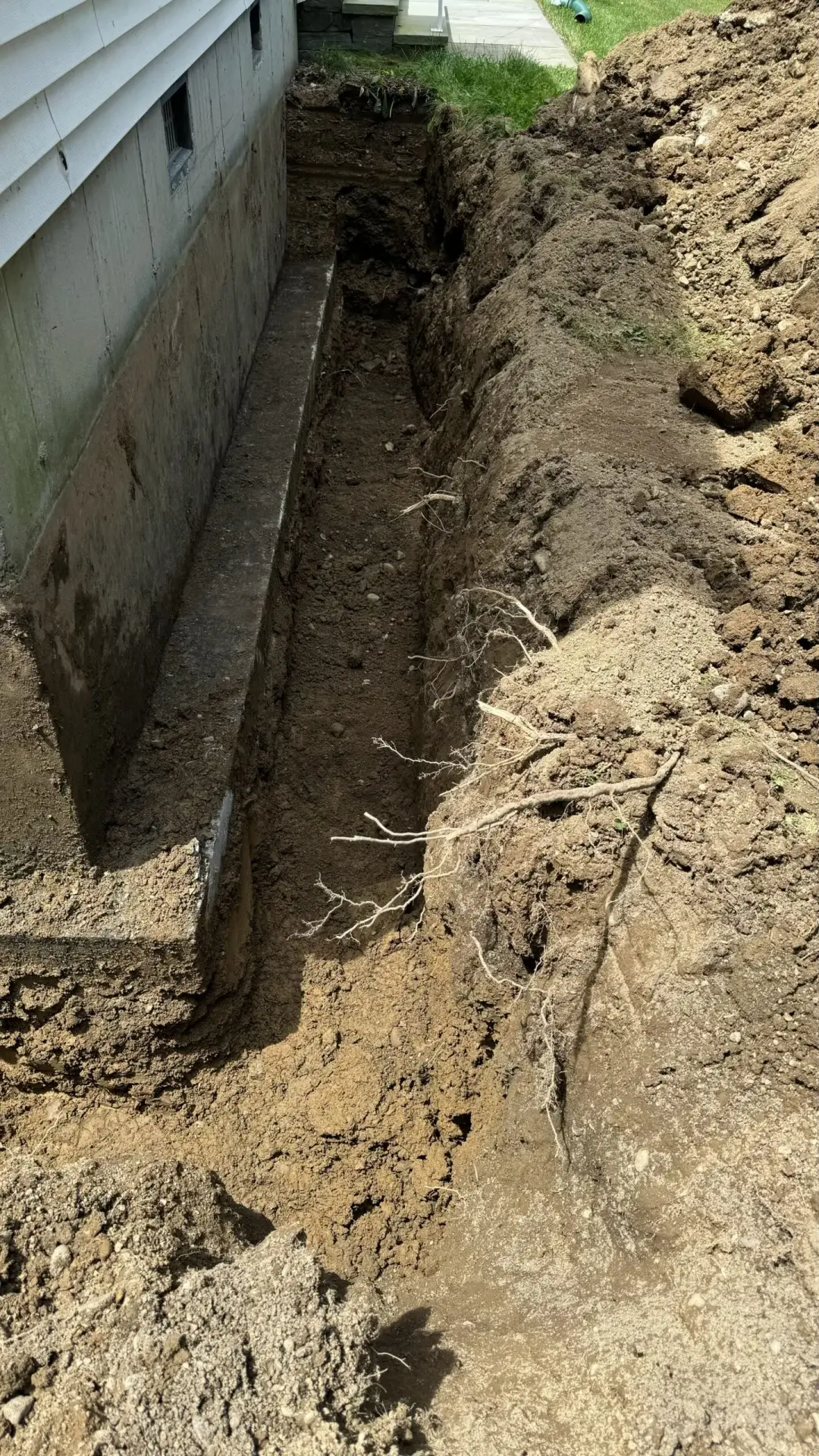
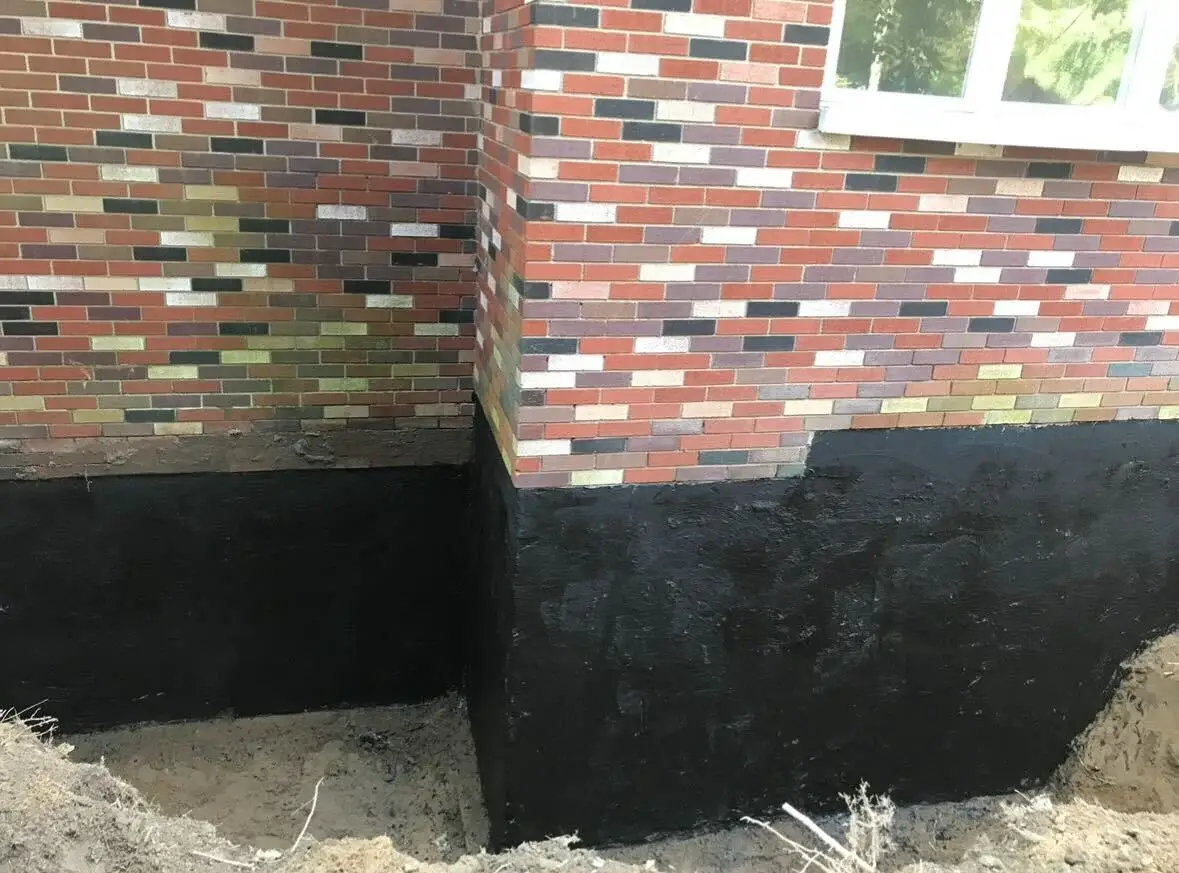
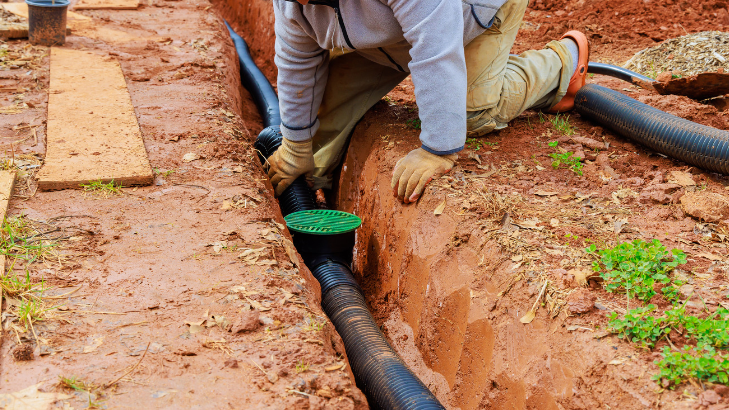
Possible solutions include correcting the grading around the home, extending downspouts, improving drainage, or installing a suitable waterproofing system. The right measures depend on the water source and the foundation’s condition.
Addressing the underlying issue can help reduce the chance of recurring damage. The visible crack is only one part of the assessment.
Can You Repair Basement Floor Cracks Yourself?
Some homeowners can seal small, stable cracks with concrete-specific products. This may be reasonable when the crack is narrow, the surrounding floor is level, and there are no signs of ongoing movement or water intrusion.
Before repairing, check whether the crack is changing and whether moisture appears after rainfall. Follow the product instructions carefully, including any preparation and curing requirements.
Choose professional help when the crack is widening, the floor has shifted, water keeps entering, or other parts of the basement show damage. These conditions may require more than a surface repair. Sealing a crack without understanding its cause can leave the underlying problem unresolved.
How to Reduce the Risk of Basement Floor Cracks
You can’t prevent every basement floor crack. Concrete naturally shrinks as it cures, and some minor cracking can occur even when the slab is installed properly. However, good construction practices and effective water management can reduce the risk of certain damage.
Control joints help direct shrinkage cracks to planned locations. Proper concrete placement, finishing, and curing also matter. The preparation and stability of the base beneath the slab can affect how well the floor performs over time.
Homeowners can also reduce water-related risks by keeping gutters clear, directing downspouts away from the foundation, and maintaining soil grading that slopes away from the house. These steps help prevent water from collecting near the foundation and saturating the surrounding soil.
Check the basement periodically for new cracks, damp spots, or changes in the floor’s level. Addressing drainage and moisture problems early can prevent small issues from becoming harder to manage.
When to Schedule a Basement Floor Crack Inspection
Consider scheduling an inspection if a crack keeps growing, water seeps through it, or the concrete becomes uneven. Multiple cracks that appear over a short period also deserve attention, particularly if you notice damage to foundation walls or other parts of the home.
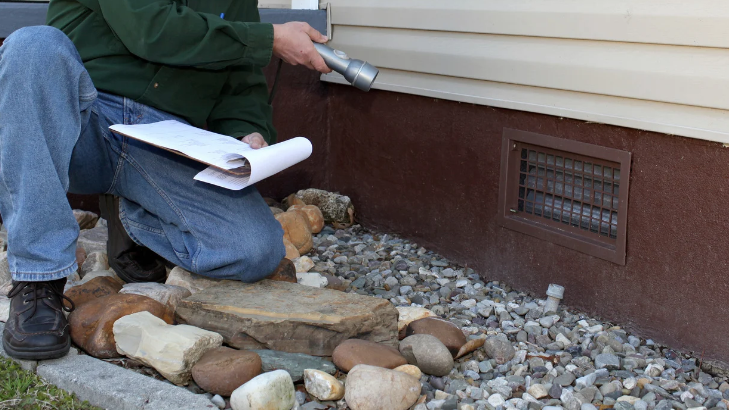
An inspection can help determine whether the crack is related to normal concrete shrinkage, soil movement, groundwater pressure, or a more extensive foundation issue. The assessment should consider the crack’s location and condition, the floor’s level, and any signs of moisture or movement elsewhere in the basement.
If the crack remains thin and stable, the floor is level, and there are no signs of water intrusion, monitoring it may be enough. If you are unsure what caused it, getting an assessment can help you choose a repair that addresses the actual problem instead of just covering the visible damage.
Get Help With Basement Floor Cracks
Basement floor cracks can result from normal concrete shrinkage, soil movement, or moisture problems around the foundation. The key is knowing when a crack is stable and when its condition suggests that the floor needs attention.
Top Course Masonry helps homeowners in the Capital Region identify foundation and basement problems and determine the appropriate next steps. If your basement floor has widening cracks, uneven sections, or recurring water intrusion, our team can assess the damage and discuss repair options.
Contact Top Course Masonry to request an estimate for foundation crack repair.