A damp crawl space can be easy to overlook, especially when the moisture stays out of sight. Water from the ground, poor drainage, condensation, or a plumbing leak can leave the space wet and create problems that spread beyond the crawl space itself.
Keeping a crawl space dry starts with identifying the source of moisture. Once you know the source, you can remove any existing water, address the cause, and take steps to prevent moisture from returning.
Why Does a Crawl Space Get Damp?
A crawl space can become damp when water enters from the ground, collects around the foundation, or builds up in the air as humidity. Plumbing leaks and other water sources can also introduce moisture without any obvious signs outside the home.
The source matters because drying the space does not necessarily solve the problem. A crawl space that keeps getting wet needs a solution that addresses the source of the moisture.
Groundwater and Standing Water
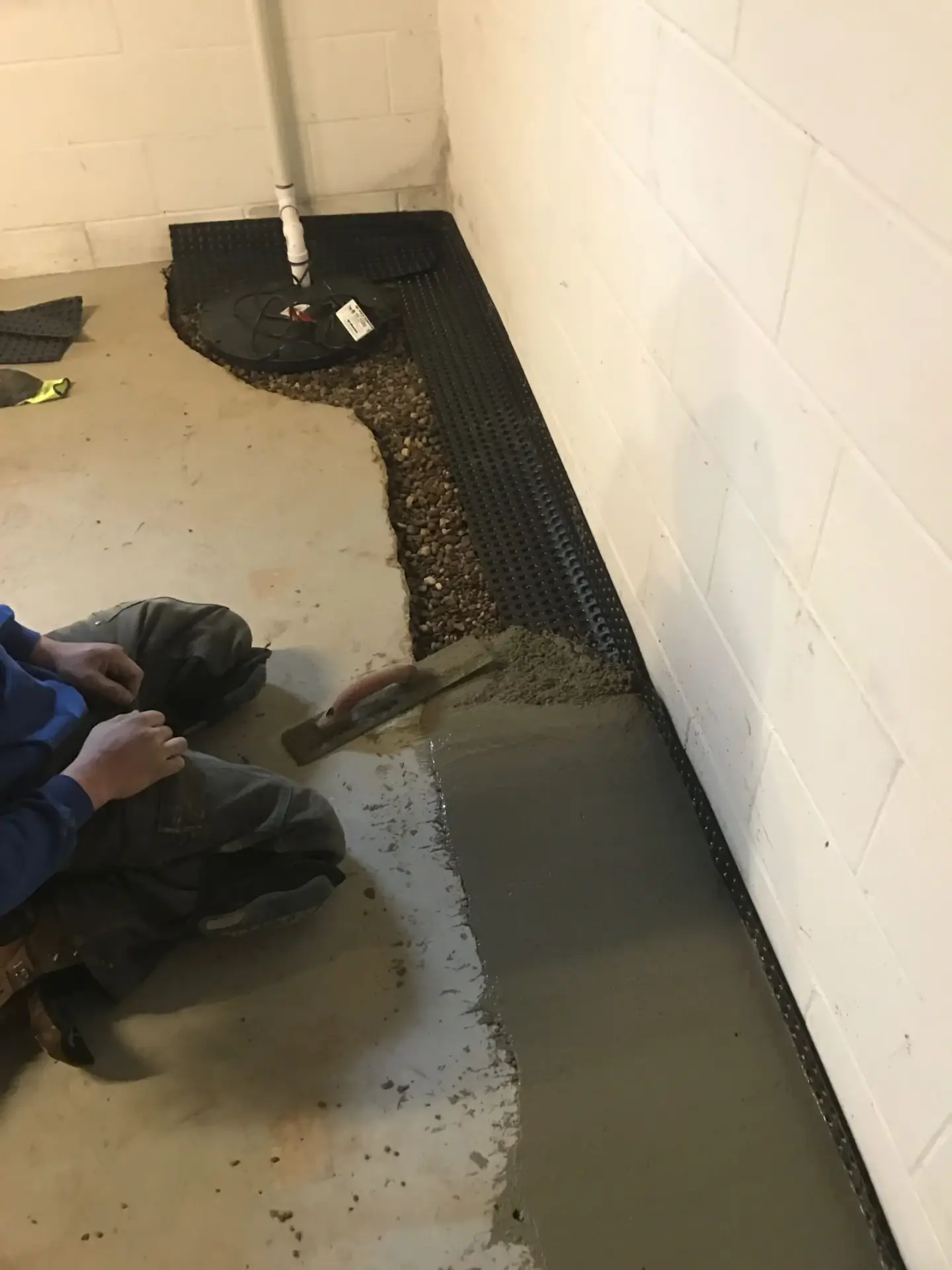
Groundwater can enter a crawl space when the soil around or beneath the home becomes saturated. After heavy rain, water may collect beneath the house or press against the foundation until it finds a way inside.
Standing water should be removed quickly because it can keep the crawl space damp and affect nearby materials. Once the water is gone, look at where it collected and whether the same area becomes wet again after rain. Recurring water may point to a drainage or foundation problem that needs to be corrected rather than simply dried out.
Poor Drainage Around the Foundation
Poor drainage can send rainwater toward the foundation instead of carrying it away from the house. Gutters that overflow, downspouts that discharge too close to the foundation, and soil that slopes toward the home can all contribute to moisture in the crawl space.
When water repeatedly collects beside the foundation, some of it may eventually seep into the crawl space. Check the ground and drainage around your home after a storm to see where the water is going. Correcting these problems can reduce the amount of moisture reaching the foundation.
Humidity and Condensation
A crawl space can become damp even when there is no active leak. Warm, humid air can come into contact with cooler foundation walls, pipes, or other surfaces, forming condensation.
This moisture can build up over time and leave the space feeling damp. Look for water droplets, damp surfaces, or condensation on cooler materials, then consider whether humidity control or dehumidification is needed.
Plumbing Leaks and Other Water Sources
A leaking pipe, drain line, water heater, or HVAC component can introduce water into a crawl space. These problems can be easy to miss when the source is hidden beneath insulation or flooring.
Wet insulation, puddles, staining, or a consistently damp area can indicate a plumbing or mechanical issue. Repairing the leak should come before relying on fans or a dehumidifier to dry the space.
How to Dry Out a Crawl Space
Drying a crawl space means removing water and allowing the space and affected materials to dry completely. Simply getting rid of visible puddles may not be enough if moisture remains in the air, insulation, wood, or other materials.
The drying process also gives you a chance to identify why the crawl space became wet. If water is still entering while you are trying to dry it, the space will continue to have moisture problems.
Remove Standing Water
Standing water needs to be removed before the rest of the crawl space can dry properly. The amount of water and its location will determine whether basic removal is possible or whether equipment is needed.
Once the water is gone, check the area for a continuing source. If water starts collecting again, drying the crawl space without fixing the cause will only provide temporary results.
Improve Air Circulation
Air circulation can help move moisture away from wet surfaces and speed up drying after a water event. Fans can be useful when materials and surfaces are already exposed, and the water source has been stopped.
Moving air will not solve an ongoing leak or groundwater problem. If humid air is entering the space or water is still coming through the foundation, those conditions need to be addressed as well.
Use a Dehumidifier
A dehumidifier removes moisture from the air and can help lower humidity in a crawl space. It can be useful when condensation or lingering humidity is keeping the area damp after other moisture sources have been controlled.
A dehumidifier cannot remove water that is actively entering through the ground or foundation. If humidity stays high despite using one, look for another source of moisture rather than simply running the equipment longer.
Dry Wet Materials
Insulation, wood, cardboard, and other materials can hold moisture after standing water has been removed. Leaving these materials damp can keep adding moisture to the crawl space.
Inspect materials around the affected area and determine whether they can dry completely. Materials that remain saturated or have sustained significant damage may need to be removed and replaced.
How to Get Rid of Moisture in Crawl Space
Getting rid of moisture for good requires more than drying the crawl space after it gets wet. You need to limit the amount of water reaching the space and control moisture that cannot be eliminated through drainage alone.
Start by looking at the conditions around and beneath the foundation. This can help separate an exterior drainage issue from groundwater, foundation water intrusion, or moisture rising from the soil.
Control Water Outside the Foundation
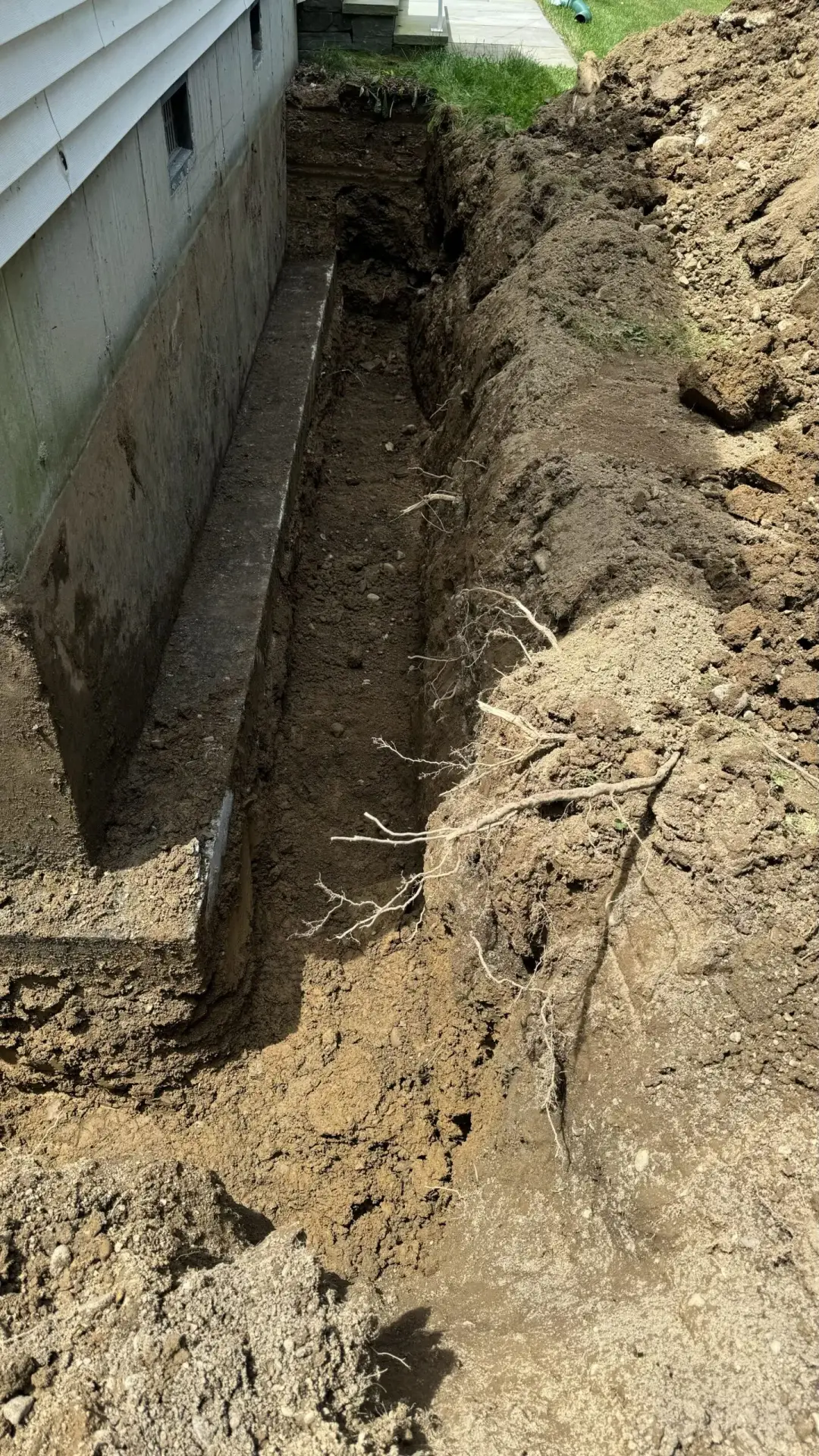
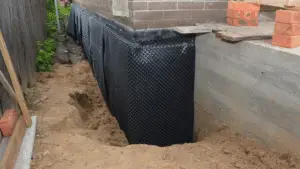
Rainwater should move away from the foundation rather than collect beside it. Gutters, downspouts, grading, and drainage systems all affect how much water reaches the soil around the home.
Check for overflowing gutters, short downspouts, and areas where water pools after rain. Redirecting runoff and correcting drainage problems can reduce the amount of water that reaches the crawl space.
Address Foundation Water Intrusion
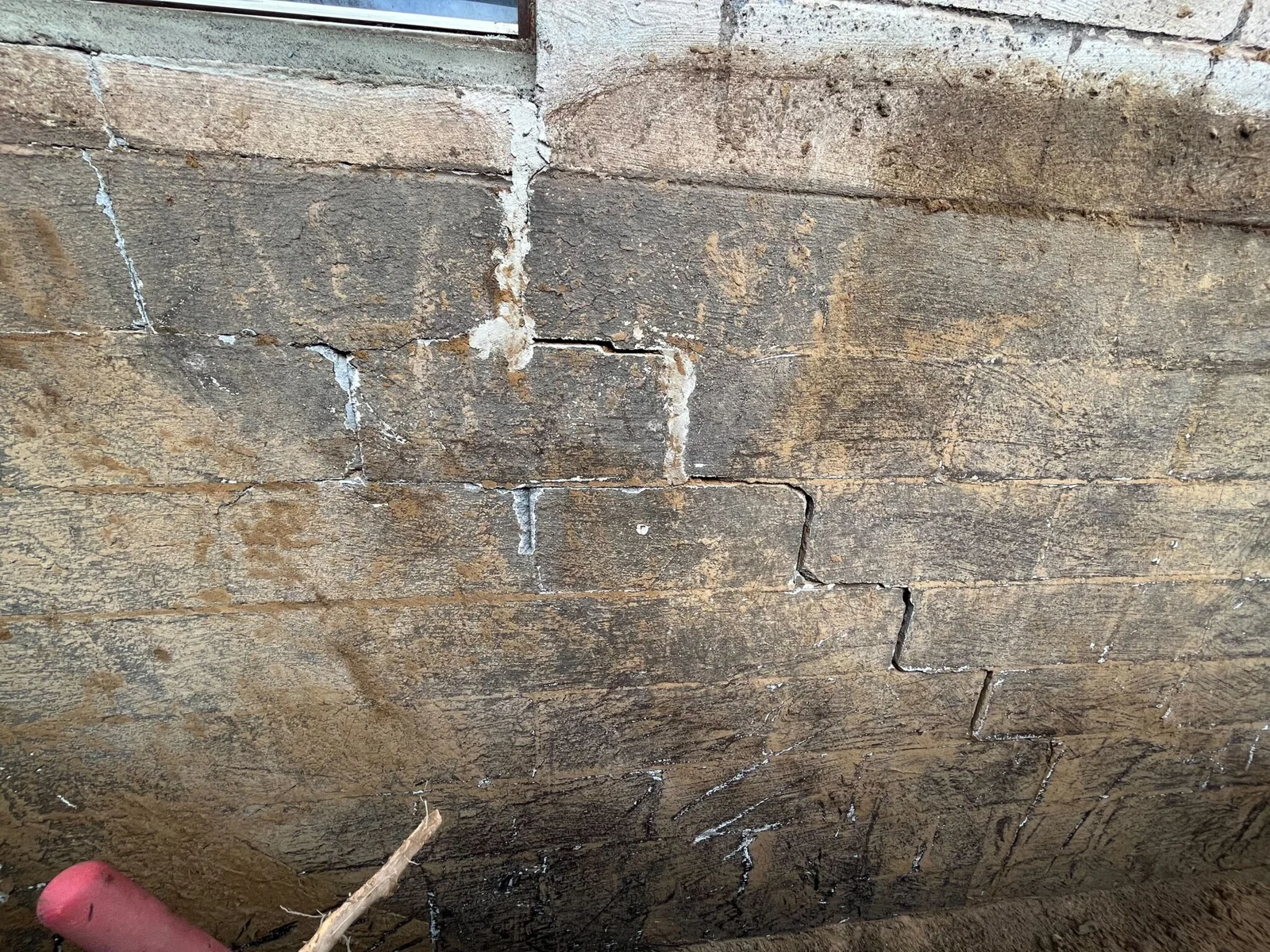
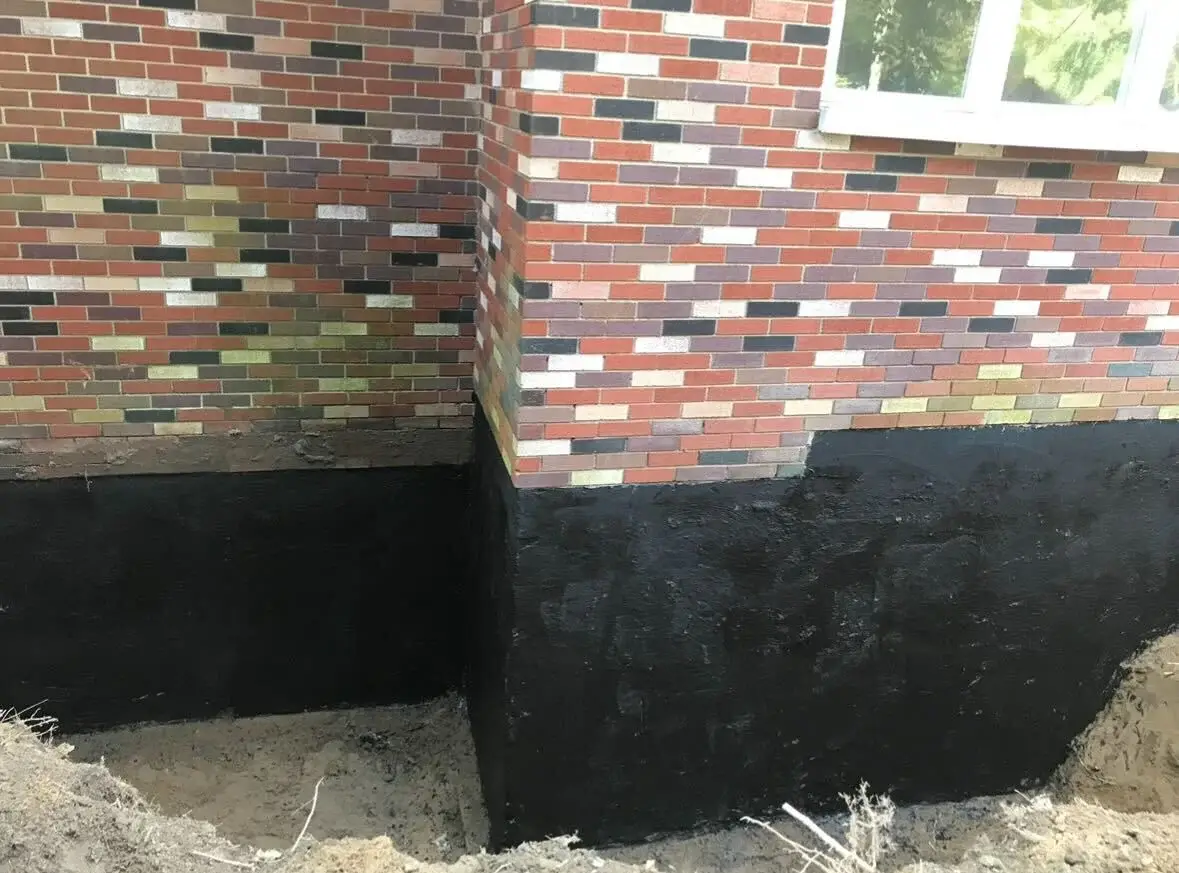
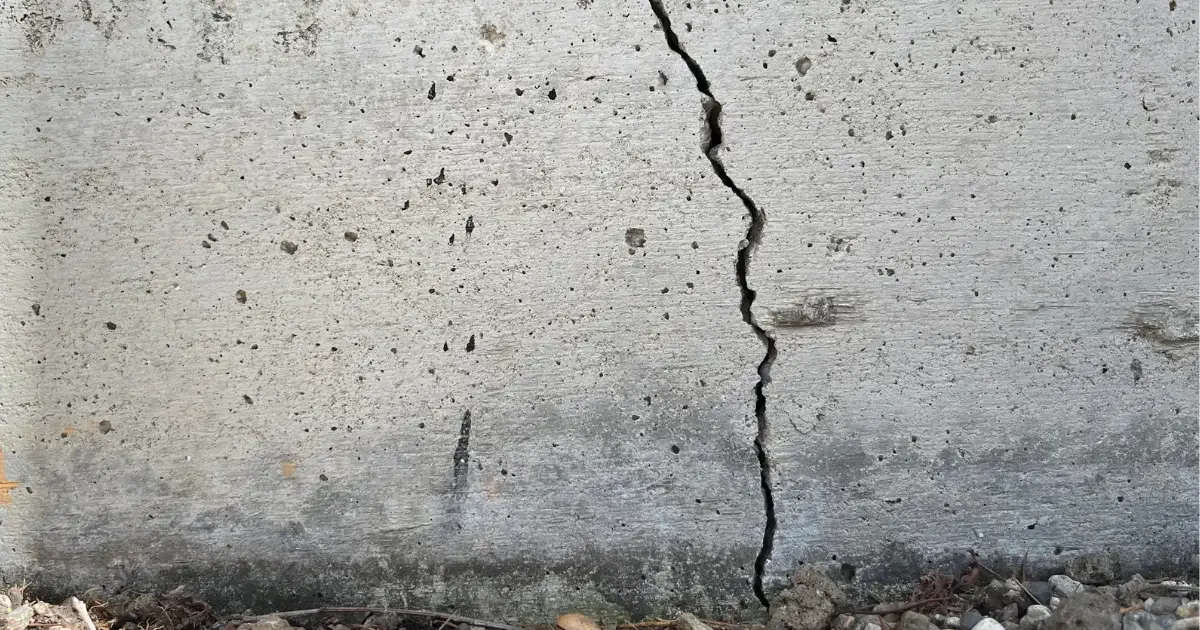
Water can enter a crawl space through foundation cracks, joints, and other openings. These entry points may leak only when the surrounding soil becomes saturated or when heavy rain increases pressure.
Look for staining, damp areas, or visible cracks along the foundation. Repairing the opening can help stop water from entering through that location, while larger drainage problems may require additional work.
Manage Moisture From the Ground
Bare soil can release moisture into a crawl space even when there is no standing water. As moisture evaporates from the ground, it increases humidity throughout the space.
A ground vapor barrier can help limit moisture coming from the soil when properly installed. If the crawl space also has groundwater or foundation leaks, those sources need to be addressed rather than relying on the barrier alone.
What Is the Best Way to Keep a Crawl Space Dry?
The best way to keep a crawl space dry is to control the sources of moisture. That may involve improving drainage outside the foundation, repairing leaks, addressing water intrusion into the foundation, limiting moisture from the ground, and controlling humidity.
The right combination depends on what is happening beneath your home. A crawl space with condensation needs a different approach from one with recurring groundwater or water entering through a foundation crack.
Can Ventilation Keep a Crawl Space Dry?
Ventilation is intended to exchange air in the crawl space, but bringing in outdoor air does not always make the space drier. When outdoor air is warm and humid, opening vents can introduce additional moisture.
That can make ventilation less useful when humidity is already part of the problem. Before relying on ventilation, consider whether the crawl space has an active water source or high humidity that needs to be controlled another way.
How to Prevent Crawl Space Moisture
Preventing crawl space moisture means dealing with small sources before they become recurring problems. Keeping water away from the foundation and checking the crawl space periodically can make it easier to catch changes early.
Keep Rainwater Away From the Foundation
Gutters and downspouts should carry rainwater away from the foundation instead of allowing it to collect beside the house. The soil around the home should also encourage water to move away from the foundation.
Check these areas before and after periods of heavy rain. If water consistently pools near the house, correcting the drainage may help prevent moisture from reaching the crawl space.
Fix Leaks and Foundation Cracks Early
Small leaks and foundation cracks can create recurring moisture problems if left untreated. A minor crack may still allow water into the crawl space when the soil becomes saturated.
Inspect the foundation and crawl space for new cracks, staining, wet spots, or other changes. Addressing these problems early can prevent repeated water intrusion and make the source easier to identify.
Monitor Humidity and Moisture
Regular checks can help you catch a damp crawlspace before moisture becomes a larger issue. Look for condensation, wet materials, standing water, musty odors, and changes after heavy rain.
A humidity monitor can also show whether moisture levels remain high even when the space looks dry. If humidity continues to rise or moisture keeps returning, look for the underlying cause rather than treating only the symptoms.
What Happens If a Crawl Space Stays Wet?
A crawl space that stays wet can affect the materials and conditions beneath your home. Persistent moisture can damage wood and insulation, create musty odors, and contribute to an environment where mold and mildew can grow.
The longer moisture remains, the more difficult it can be to keep the space dry. If the same areas stay damp or water repeatedly returns, identifying and correcting the source can help prevent further problems.
When Should You Call a Crawl Space Professional?
A professional can help when you cannot determine where the moisture is coming from or when the same water problem keeps returning. Recurring standing water, foundation leaks, significant dampness, and damaged materials are all reasons to have the crawl space evaluated.
A proper inspection looks beyond the water you can see. It can help determine whether the problem involves drainage, groundwater, the foundation, ground moisture, or another source so you can address the actual cause.
Keep Your Crawl Space Dry for Good
Keeping a crawl space dry is about more than removing water after it appears. If moisture keeps returning, the source needs to be addressed to protect the space and the foundation from ongoing water intrusion.
If your crawl space has recurring moisture, standing water, damp materials, or signs of water coming through the foundation, crawl space exterior repair and waterproofing can help address the problem at its source. Top Course Masonry can inspect the crawl space and surrounding foundation, identify the source of moisture, and recommend the right repair or waterproofing approach for your home.